
The civic record
Read. Follow. Verify.Maryland Senate Bill 678 Expands Judicial Authorization Criteria for Forensic Genetic Genealogical DNA Analysis
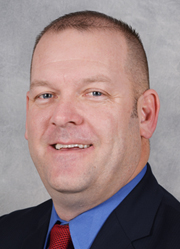
Last action · March 9, 2026: Hearing 3/10 at 1:15 p.m.Sponsor: Bill Folden
Track this bill to get notified when it advances a stage. One tap to stop, anytime.
What This Bill Would Do
Senate Bill 678 alters the requirements for sworn affidavits submitted to obtain judicial authorization for forensic genetic genealogical DNA analysis and searches (FGGS), allowing investigative genetic genealogy when a DNA profile cannot enter if at least 15 years have elapsed since the crime.
Changes the legal threshold for law enforcement to use investigative genetic genealogy in cold cases where standard DNA database searches failed due to technical entry criteria, affecting criminal investigation procedures starting October 1, 2026.
Who It Would Affect
Groups the bill's text would affect if enacted, as described in the record. Being affected is not a position for or against it.
Law enforcement agencies
Law enforcement agents can utilize an alternative pathway for judicial authorization to conduct forensic genetic genealogical DNA analysis on older or technically restricted forensic samples.
Prosecutors
Prosecutors must approve the sworn affidavits submitted for judicial authorization under the updated criteria.
Key Facts
- Permits law enforcement to submit a sworn affidavit for FGGS if an evidentiary DNA profile failed to enter CODIS due to tier requirements, provided at least 15 years have elapsed since the crime.
- Maintains existing requirements that the identity of the perpetrator is unknown and the crime involves murder, rape, a felony sexual offense, or a threat to public safety.
- Preserves the requirement that standard STR DNA profile searches in statewide and national databases must have failed to identify a known individual, or alternatively meet the new 15-year cold case exception.
- Retains provisions requiring prosecutor approval and judicial authorization before initiating an FGGS.
Show all 5 facts
- Takes effect on October 1, 2026.
Frequently Asked Questions
What changes for law enforcement seeking to use forensic genetic genealogy?
What else do you want to know?
News Coverage
Follow the record
Votes, people, money & the original sourceWhere This Stands
Currently filed. The next step in the legislative lifecycle is Committee.
Procedural history
4 actions- Mar 9, 2026SenateHearing 3/10 at 1:15 p.m.
- Mar 9, 2026SenateHearing canceled
- Feb 12, 2026SenateHearing 3/10 at 1:00 p.m.
- Feb 6, 2026SenateIntroducedFirst Reading Judicial Proceedings
Version history
Only one version on file - nothing to compare yet. As later stages (committee substitute, engrossed, enrolled) are captured, the redline appears here.
View official text →Lobbying Activity
No state lobbying filings in our records match this bill. Federal lobbying reports (LDA) cover Congress, so they are not listed on state bills.
Full breakdown
Who this bill affects and the strongest case for and against it, written only from the bill’s own text.
Sponsors
Connected Entities
Sources
mgaleg.maryland.gov
Analysis Score
0–100- Significance60How much this matters to a regular citizen
- Controversy25Intensity of disagreement among stakeholders
- Entertainment5Compellingness for a non-policy-wonk reader
- Buzz20Current news / social attention level
Publisher tools