
The civic record
Read. Follow. Verify.West Virginia bans cameras in foster children's bedrooms and bathrooms with medical exemptions
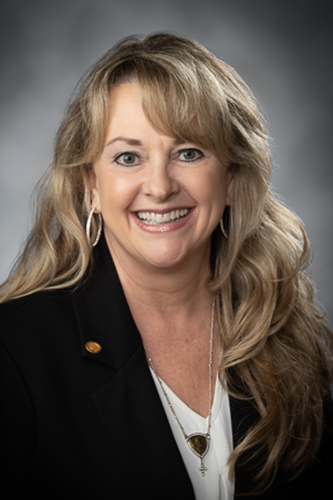
Last action · March 4, 2026: To JudiciarySponsors: Adam Burkhammer and 3 others
Track this bill to get notified when it advances a stage. One tap to stop, anytime.
What This Bill Proposed
West Virginia prohibits cameras and recording devices in the bedrooms and bathrooms of foster children, regardless of the child's age or caregiver concerns. The measure establishes strict exemptions for medically necessary monitoring equipment, baby monitors, and personal smart devices placed in conspicuous locations.
Foster parents and residential facilities must alter surveillance practices in private living spaces or face regulatory and legal compliance changes, while foster children gain explicit privacy protections in bedrooms and bathrooms.
Who It Would Have Affected
Groups the bill's text would have affected, as described in the record. Being affected is not a position for or against it.
Foster children
Foster children gain explicit statutory privacy protections prohibiting cameras and recording devices in their bedrooms and bathrooms.
Foster parents
Foster parents must remove unauthorized cameras from bedrooms and bathrooms and ensure any medically necessary monitoring devices are visibly placed.
Residential treatment facilities
Residential facilities must update facility policies to comply with the prohibition of cameras in private resident spaces.
Key Facts
You don't have to trust us. Each fact below is taken straight from the official document - click any one to see the exact passage, highlighted in the original.
Frequently Asked Questions
Are baby monitors allowed in a foster child's room under this bill?
Can foster children still use smartphones or tablets in their bedrooms?
Can monitoring devices be hidden in a foster child's room if permitted by medical diagnosis?
What else do you want to know?
News Coverage
Follow the record
Votes, people, money & the original sourceWhere This Stands
This bill did not become law - Died at adjournment · passed the House · in Senate committee.
Procedural history
19 actions- Mar 4, 2026SenateCommitteeTo Judiciary
- Mar 4, 2026SenateCommitteeReported do pass, with amendment, but first to Judiciary
- Jan 27, 2026SenateCommitteeTo Health and Human Resources
- Jan 27, 2026SenateCommitteeTo Health and Human Resources then Judiciary
- Jan 27, 2026SenateIntroducedIntroduced in Senate
- Jan 23, 2026HouseCommunicated to Senate
Show 13 earlier actions
- Jan 23, 2026HouseFloorPassed House (Roll No. 14)
- Jan 23, 2026HouseRead 3rd time
- Jan 23, 2026HouseOn 3rd reading, Special Calendar
- Jan 22, 2026HouseRead 2nd time
- Jan 22, 2026HouseOn 2nd reading, Special Calendar
- Jan 21, 2026HouseRead 1st time
- Jan 21, 2026HouseOn 1st reading, Special Calendar
- Jan 20, 2026HouseDo pass
- Jan 19, 2026HouseMarkup Discussion
- Jan 15, 2026HouseCommitteeTo House Judiciary
- Jan 15, 2026HouseIntroducedIntroduced in House
- Jan 15, 2026HouseCommitteeTo Judiciary
- Jan 15, 2026HouseIntroducedFiled for introduction
Version history
Only one version on file - nothing to compare yet. As later stages (committee substitute, engrossed, enrolled) are captured, the redline appears here.
View official text →Lobbying Activity
No state lobbying filings in our records match this bill. Federal lobbying reports (LDA) cover Congress, so they are not listed on state bills.
Full breakdown
Who this bill affects and the strongest case for and against it, written only from the bill’s own text.
Sponsors



Connected Entities
Sources
www.wvlegislature.gov
Analysis Score
0–100- Significance20Lowered because this bill did not pass (its text scored 75)
- Controversy20Intensity of disagreement among stakeholders
- Entertainment5Compellingness for a non-policy-wonk reader
- Buzz30Current news / social attention level
Publisher tools