
The civic record
Read. Follow. Verify.Farmer to Farmer Education Act of 2025
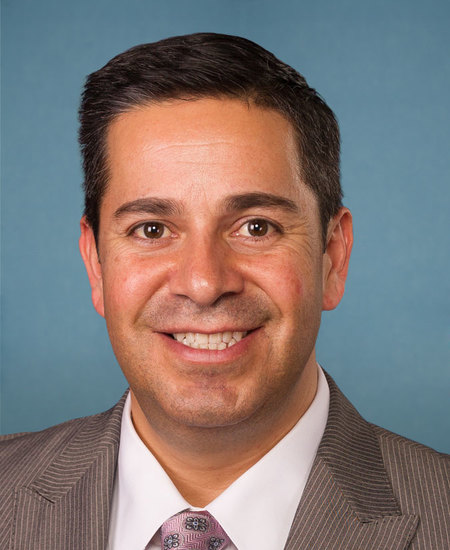
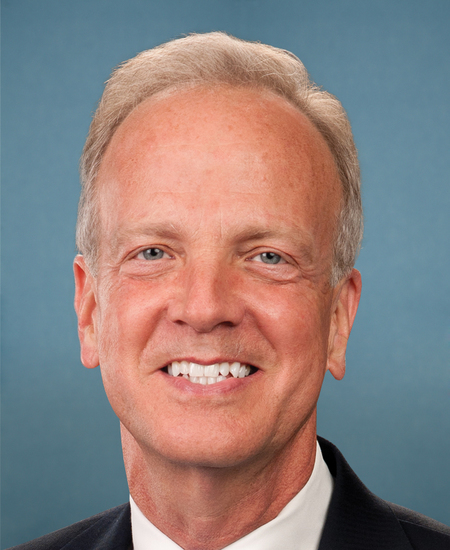
Last action · May 14, 2025: Read twice and referred to the Committee on Agriculture, Nutrition, and Forestry.Sponsors: Ben Lujan and 1 other
Track this bill to get notified when it advances a stage. One tap to stop, anytime.
What This Bill Would Do
This bill creates a new federal program to support farmer-led networks that share technical knowledge and conservation practices. It allows the Secretary of Agriculture to enter into s with nonprofits, tribes, local governments, and universities to help farmers mentor one another and adopt sustainable land-management practices.
The bill establishes a new framework for federal funding of peer-to-peer agricultural training, specifically prioritizing outreach to historically underserved farmers and those in high-poverty areas.
Who It Would Affect
Groups the bill's text would affect if enacted, as described in the record. Being affected is not a position for or against it.
Historically underserved farmers
The bill mandates that the Secretary prioritize cooperative agreements that specifically target the needs of these farmers.
Nonprofit organizations
501(c)(3) nonprofits are eligible to enter into cooperative agreements with the Secretary to provide technical assistance.
Indian Tribes
Tribes and tribal organizations are eligible to receive funding and enter into cooperative agreements.
Key Facts
- The bill authorizes the Secretary of Agriculture to enter into cooperative agreements to support 'farmer-to-farmer networks' for technical assistance and conservation education.
- Eligible entities for agreements include nonprofits, farmer networks, Indian Tribes, local governments, universities, and states.
- The Secretary must prioritize entities that serve historically underserved farmers or those in high-poverty areas.
- Participating entities must perform at least two of six specific actions, such as mentor matchmaking, training coordination, or administering subawards.
Show all 9 facts
- Assistance provided to non-English speaking farmers must be delivered in their native language to the greatest extent practicable.
- Eligible entities must submit annual reports to the Secretary regarding conservation activities and subawards.
- Subawardees must use funds to plan events and compensate participants at market rates.
- The Secretary must submit a report to Congress on the program's status and outcomes no later than 4 years after enactment.
- The bill defines a 'farmer-to-farmer network' as any association of farmers sharing information or technical support.
Frequently Asked Questions
Who can receive funding under this program?
Does this bill provide language support for non-English speaking farmers?
What are the primary goals of these farmer networks?
What else do you want to know?
News Coverage
Follow the record
Votes, people, money & the original sourceWhere This Stands
Currently in committee. The next step in the legislative lifecycle is Floor Vote.
Procedural history
2 actions- May 14, 2025SenateCommitteeRead twice and referred to the Committee on Agriculture, Nutrition, and Forestry.
- May 14, 2025SenateIntroducedIntroduced in Senate
Version history
Only one version on file - nothing to compare yet. As later stages (committee substitute, engrossed, enrolled) are captured, the redline appears here.
View official text →Full breakdown
Who this bill affects and the strongest case for and against it, written only from the bill’s own text.
Sponsors
Discoveries
Patterns POLISCOPE noticed across the record. These are observations to investigate, not conclusions.
Emphasis on Peer-to-Peer Learning
The bill marks a shift toward formalizing and funding informal farmer-to-farmer knowledge sharing as a primary method for conservation outreach.
Connected Entities
Sources
www.congress.gov
Analysis Score
0–100- Significance60How much this matters to a regular citizen
- Controversy10Intensity of disagreement among stakeholders
- Entertainment5Compellingness for a non-policy-wonk reader
- Buzz20Current news / social attention level
Publisher tools