
The civic record
Read. Follow. Verify.Sound Science Act of 2026
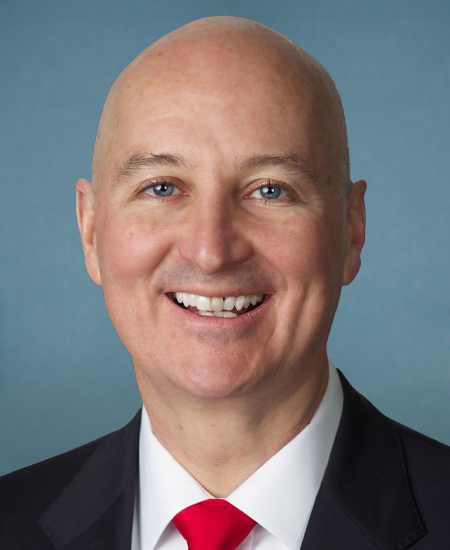
Last action · April 27, 2026: Read twice and referred to the Committee on Environment and Public Works.Sponsor: Pete Ricketts
Track this bill to get notified when it advances a stage. One tap to stop, anytime.
What This Bill Would Do
This bill proposes changes to the Toxic Substances Control Act to alter how the EPA evaluates chemical risks and coordinates with other federal agencies. It introduces new requirements for cost-effectiveness, interagency review, and the consideration of existing workplace safety standards during chemical risk assessments.
The bill changes the criteria and processes the EPA uses to regulate chemicals, which directly impacts how industries manage chemical production and how federal agencies coordinate on public health and safety standards.
Who It Would Affect
Groups the bill's text would affect if enacted, as described in the record. Being affected is not a position for or against it.
Chemical Manufacturers
The bill changes the testing requirements and risk evaluation criteria they must meet to distribute or process chemical substances.
Environmental Protection Agency
The agency must implement new interagency review processes, update testing lists every two years, and adhere to new cost-effectiveness standards.
Occupational Safety and Health Administration
The agency is required to participate in consultations regarding worker protection standards established by the EPA.
Key Facts
- Requires the EPA to consider only hazards and exposures that are 'more likely than not' to result in unreasonable risk.
- Mandates that the EPA consider existing exposure limits or thresholds developed by other federal agencies.
- Prohibits the EPA from assuming noncompliance with existing laws, including OSHA standards, during risk evaluations.
- Requires the EPA to select regulatory requirements that are cost-effective and do not create greater risks for health or the environment.
Show all 10 facts
- Establishes a formal interagency review process, giving other federal departments at least 30 days to comment on draft risk evaluations.
- Extends the public comment period for risk evaluation plans from 30 to 60 days.
- Requires the EPA to consult with industrial hygiene and toxicology experts when establishing unique worker protection standards.
- Mandates that the EPA update its list of test methods and strategies at least every two years.
- Requires the EPA to include scientific assessments in the administrative record for final agency actions.
- Requires the EPA to document the extent to which its scientific assessments are consistent with established scientific standards.
Frequently Asked Questions
How does this bill change how the EPA evaluates chemical risks?
Will other government agencies be involved in EPA chemical decisions?
Does this bill affect workplace safety rules?
What else do you want to know?
News Coverage
Follow the record
Votes, people, money & the original sourceWhere This Stands
Currently in committee. The next step in the legislative lifecycle is Floor Vote.
Procedural history
2 actions- Apr 27, 2026SenateCommitteeRead twice and referred to the Committee on Environment and Public Works.
- Apr 27, 2026SenateIntroducedIntroduced in Senate
Version history
Only one version on file - nothing to compare yet. As later stages (committee substitute, engrossed, enrolled) are captured, the redline appears here.
View official text →Full breakdown
Who this bill affects and the strongest case for and against it, written only from the bill’s own text.
Sponsors
Discoveries
Patterns POLISCOPE noticed across the record. These are observations to investigate, not conclusions.
Integration of Cost-Effectiveness
The bill explicitly mandates that the EPA must select regulatory requirements that are cost-effective, a notable shift from risk-only evaluation models.
Connected Entities
Sources
www.congress.gov
Analysis Score
0–100- Significance75How much this matters to a regular citizen
- Controversy60Intensity of disagreement among stakeholders
- Entertainment10Compellingness for a non-policy-wonk reader
- Buzz25Current news / social attention level
Publisher tools