
NewsLos Angeles Times – CaliforniaNovember 2, 2026Los Angeles County
Former Angels executive Eric Kay files new appeal to overturn conviction in Tyler Skaggs overdose death
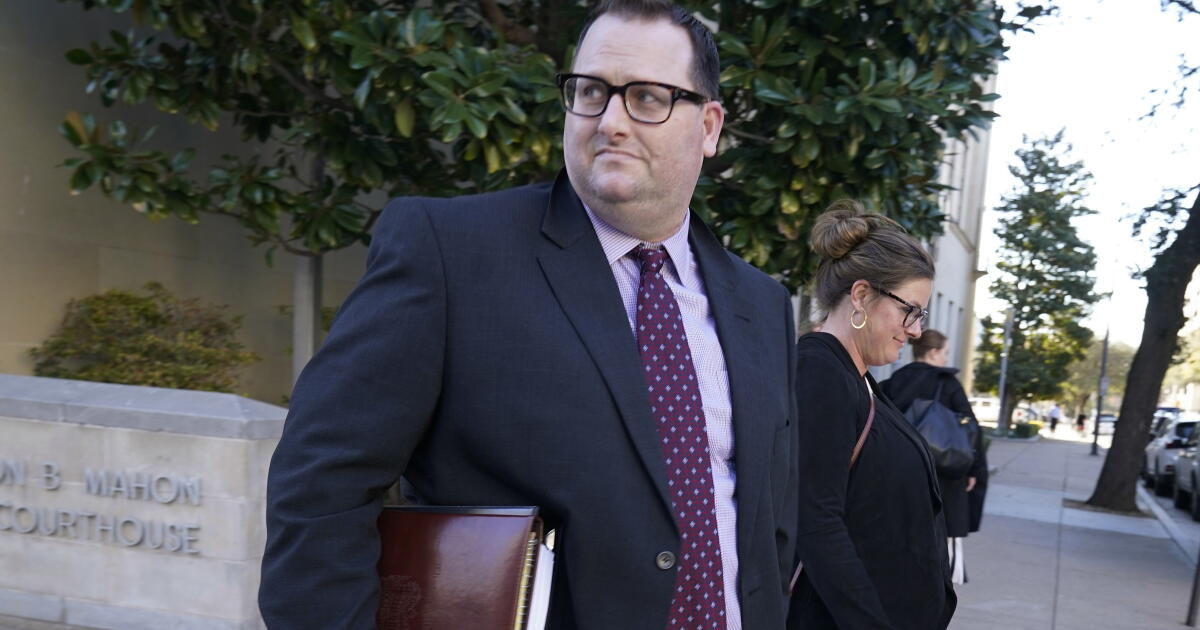
Photo: Los Angeles Times – California
Former Los Angeles Angels media relations executive Eric Kay filed a 75-page federal appeal asking a judge to vacate his 2022 conviction and order a new trial in the fentanyl-related overdose death of baseball player Tyler Skaggs. Kay argues his trial attorney pressured him to reject a plea deal and that evidence from Skaggs' phone was unreliable or mishandled by law enforcement.
Read the full story at Los Angeles Times – CaliforniaWhy It Matters
The legal filing challenges a federal conviction that resulted in a prison sentence extending to February 2041, raising questions about police handling of digital evidence and trial counsel effectiveness.
Key Facts
- Eric Kay filed a 75-page federal appeal in Texas requesting that his 2022 conviction be vacated and a new trial ordered.
- Kay is currently serving a sentence with a scheduled release date of Feb. 18, 2041, at the Federal Correctional Institution in Englewood, Colorado.
- The appeal contends that Kay's trial attorney, Michael Molfetta, pressured him to turn down a prosecution plea offer of five to 10 years in prison.
- The filing alleges detective Delaney Green gave inaccurate testimony regarding who extracted data from Tyler Skaggs' phone.
- The appeal states that police lost or no longer have the external hard drive containing raw data extracted from Skaggs' phone.
- Kay's attorneys argue that Skaggs' phone continued to receive messages after his death, indicating potential evidence tampering or alteration.
- Toxicology reports showed Skaggs had alcohol, oxycodone, oxymorphone, and fentanyl in his system at the time of his death on July 1, 2019.
- Judge Terry R. Means previously ruled that Kay could introduce new details regarding the evidence from his conviction.
- A previous appeal by Kay was denied three years ago by the U.S. Court of Appeals for the Fifth Circuit.
- Federal prosecutors have until Dec. 31 to respond to the latest appeal.
Who's Mentioned
PersonJason D. Hawkins“Federal public defender leading the current appeal”OrganizationFederal Correctional Institution in Englewood, Colo.“Prison where Kay is currently serving his sentence”PersonChad Meacham“U.S. Attorney”PersonTyler Skaggs“Late Angels pitcher whose overdose death led to the criminal case”OrganizationAngels“Major League Baseball team”OrganizationSouthlake (Texas) Police Department“Law enforcement agency involved in evidence extraction”PersonTerry R. Means“Federal judge ruling on the case”OrganizationU.S. Court of Appeals for the Fifth Circuit“Appellate court that denied Kay's previous appeal”PersonMichael Molfetta“Kay's former trial attorney”PersonEric Kay“Former Angels media relations executive appealing his conviction”PersonDelaney Green“Detective with the Southlake Police Department”PersonDavid Gerger“Kay's former appellate attorney”