
NewsWPLG Local 10 – Main FeedAugust 10, 2026Miami-Dade County
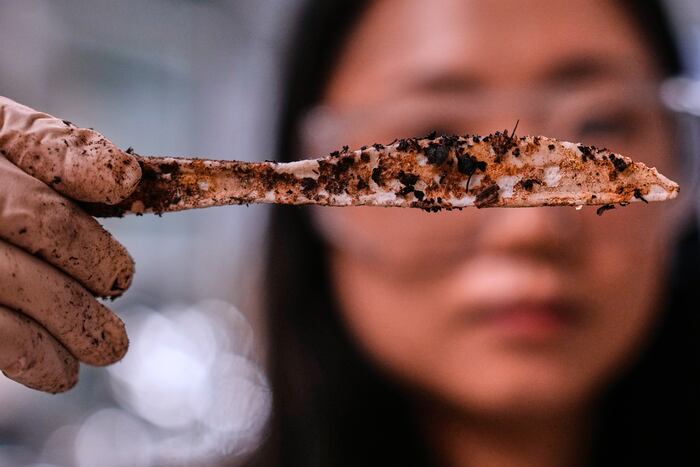
CJ Biomaterials develops sugar-based bioplastics to replace conventional single-use plastics
Photo: WPLG Local 10 – Main Feed
Researchers are developing plant-based polymers that break down in compost bins to address the environmental persistence of traditional fossil-fuel plastics. These bioplastics, made from fermented sugar, are being tested as alternatives for single-use items like cutlery, straws, and food packaging.
Read the full story at WPLG Local 10 – Main FeedWhy It Matters
As global plastic pollution concerns rise, bioplastics offer a potential alternative to traditional plastics that fragment into , though their widespread adoption faces challenges regarding cost, composting infrastructure, and environmental impact.
Key Facts
- Bioplastics represent approximately 0.5% of the 400 million metric tons of plastic produced annually worldwide.
- Production of bioplastics is projected to double by 2030.
- Polyhydroxyalkanoates (PHA) are a type of polymer that can be biodegradable in both marine and soil environments.
- Bioplastics are typically more expensive to produce than conventional fossil-fuel-based plastics.
- A 64-week study by the 5 Gyres Institute found that many biodegradable materials fragmented or disappeared, while traditional plastics persisted.
- Some composting facilities refuse bioplastics due to concerns about soil quality degradation.
- Bioplastics can be difficult to distinguish from conventional plastics, leading to contamination issues at composting sites.
- CJ Biomaterials operates a PHA manufacturing facility in Pasuruan, Indonesia.
Who's Mentioned
OrganizationCJ Group“Parent conglomerate of CJ Biomaterials.”OrganizationEuropean Bioplastics“Industry group providing market data.”OrganizationWorld Wildlife Fund“Advocacy group viewing bioplastics as part of a suite of solutions.”PersonLeah Ford“Marketing director at CJ Biomaterials.”Organization5 Gyres Institute“Research organization testing material degradation.”OrganizationCJ Biomaterials“Company developing plant-based polymers.”PersonJeff Merkley“U.S. Senator holding hearings on plastic pollution.”other22“Number of items tested by 5 Gyres Institute.”PersonErin Simon“Vice president at WWF.”PersonMarcus Eriksen“Co-founder of 5 Gyres Institute.”other64“Number of weeks in the 5 Gyres study.”OrganizationBlack Earth Compost“Composting facility accepting bioplastics.”OrganizationGlobal Alliance for Incinerator Alternatives“Environmental group critical of the bioplastic paradigm.”