
The civic record
Read. Follow. Verify.Michigan creates student opportunity scholarship accounts funded by tax-credited contributions
Last action · May 21, 2025: REFERRED TO COMMITTEE ON EDUCATIONSponsors: Aric Nesbitt and 11 others
Track this bill to get notified when it advances a stage. One tap to stop, anytime.
What This Bill Would Do
The bill creates the student opportunity scholarship program to establish and fund education accounts for eligible K-12 students using tax-credited contributions managed by nonprofit scholarship-granting organizations. The program covers qualifying educational expenses such as private school tuition, tutoring, and therapies, prioritizing low-income students, students with disabilities, and children in foster care.
Qualifying families gain access to dedicated funds for educational expenses outside the public school system, while taxpayers contributing to approved scholarship organizations can receive state income tax credits.
- Senate Bill 320 is part of a legislative package in the Michigan Senate concerning school choice and alternative education funding mechanisms. context
Who It Would Affect
Groups the bill's text would affect if enacted, as described in the record. Being affected is not a position for or against it.
Eligible students and parents
Eligible K-12 students and their parents gain the ability to apply for scholarship accounts to cover alternative educational expenses and tuition.
Scholarship-granting organizations
Nonprofit organizations must obtain state certification, meet reporting and auditing requirements, allocate contributions to accounts, and administer student funds.
Education service providers
Providers receive payments from student scholarship accounts for educational materials and services without being required to alter their admissions policies or curricula.
Department of Treasury
The department is tasked with certifying scholarship-granting organizations, publishing annual reports, and managing program oversight.
Key Facts
You don't have to trust us. Each fact below is taken straight from the official document - click any one to see the exact passage, highlighted in the original.
Frequently Asked Questions
Who is eligible to receive a student opportunity scholarship account?
What expenses can scholarship account funds cover?
Can scholarship account funds be refunded or shared with parents?
What else do you want to know?
News Coverage
Follow the record
Votes, people, money & the original sourceWhere This Stands
Currently in committee. The next step in the legislative lifecycle is Floor Vote.
Procedural history
2 actions- May 21, 2025SenateCommitteeREFERRED TO COMMITTEE ON EDUCATION
- May 21, 2025SenateIntroducedINTRODUCED BY SENATOR ARIC NESBITT
Version history
Only one version on file - nothing to compare yet. As later stages (committee substitute, engrossed, enrolled) are captured, the redline appears here.
View official text →Lobbying Activity
No state lobbying filings in our records match this bill. Federal lobbying reports (LDA) cover Congress, so they are not listed on state bills.
Full breakdown
Who this bill affects and the strongest case for and against it, written only from the bill’s own text.
Sponsors



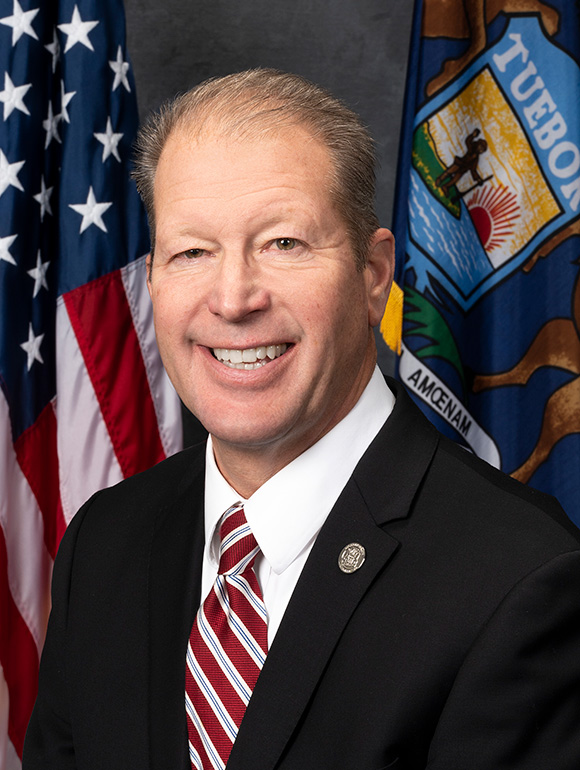
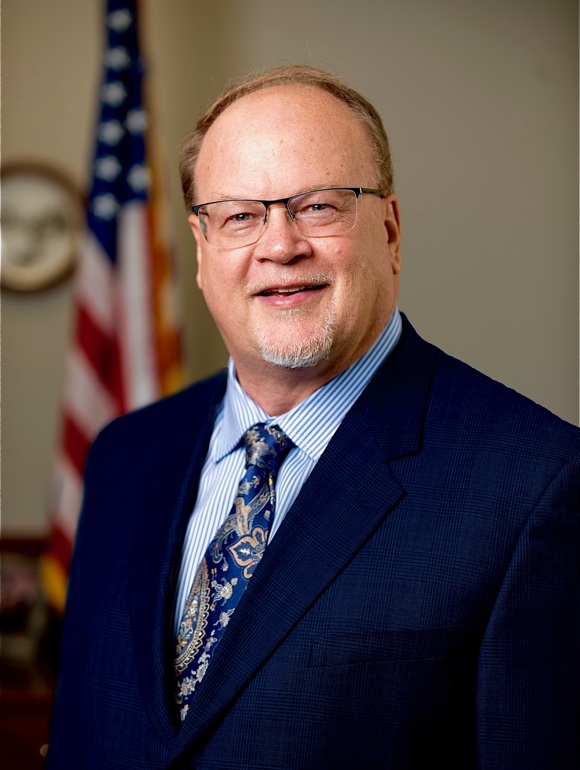
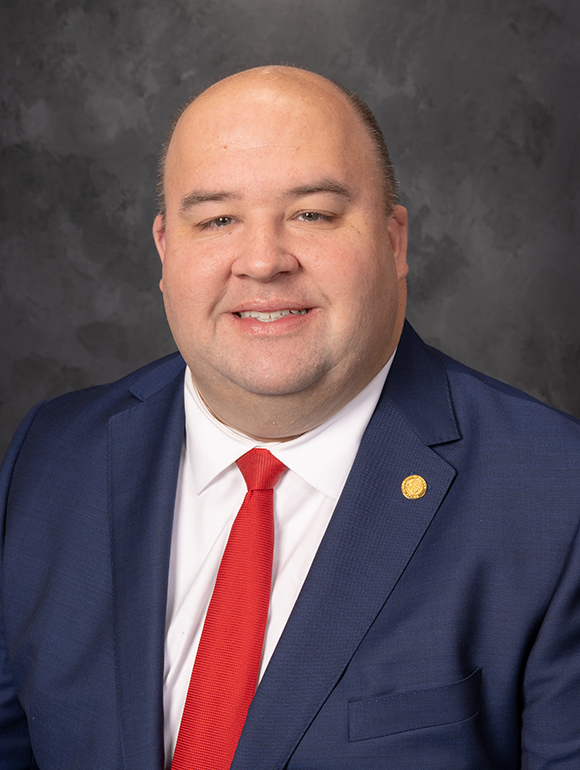
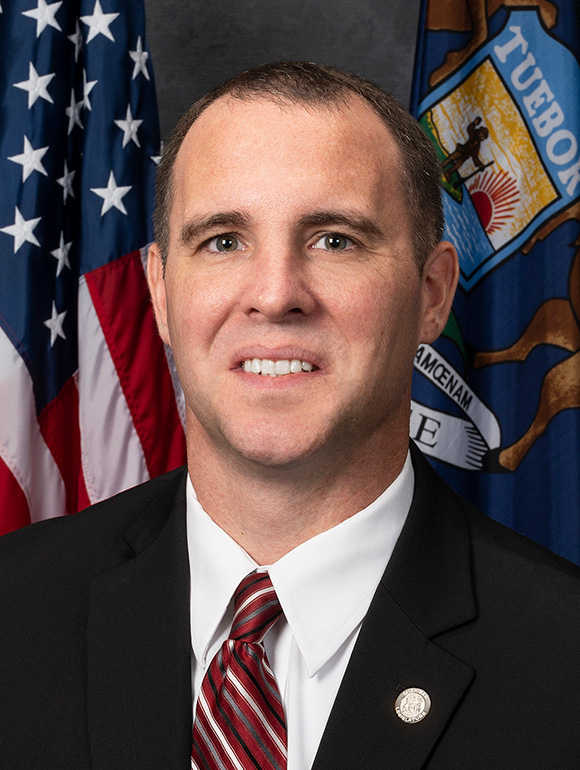
Show 7 more sponsors



Connected Entities
Sources
legislature.mi.gov
Analysis Score
0–100- Significance75How much this matters to a regular citizen
- Controversy85Intensity of disagreement among stakeholders
- Entertainment10Compellingness for a non-policy-wonk reader
- Buzz60Current news / social attention level
Publisher tools