
The civic record
Read. Follow. Verify.Indiana Bill HB 1112 Requires Insurance Plans to Fully Cover Breast Cancer Screenings and Examinations Without Cost-Sharing
Last action · January 20, 2026: Representative Hamilton added as coauthorSponsors: Cherrish Pryor and 1 other
Track this bill to get notified when it advances a stage. One tap to stop, anytime.
What This Bill Proposed
Beginning July 1, 2026, Indiana requires state employee health plans, accident and sickness insurance policies, and health maintenance organizations to cover diagnostic and s without any deductibles, copayments, or .
Who It Would Have Affected
Groups the bill's text would have affected, as described in the record. Being affected is not a position for or against it.
State employees
State employee health plans must cover diagnostic breast services, outpatient treatments, and rehabilitative services with specific mammography reimbursement standards and zero cost-sharing for diagnostic and supplemental exams.
Insured individuals
Accident and sickness insurance policyholders receive mandated coverage for screening mammograms, diagnostic breast exams, and supplemental exams without cost-sharing requirements.
Health maintenance organization enrollees
Enrollees under basic health care contracts provided by HMOs must be provided coverage for screening mammographies and diagnostic breast examinations without cost-sharing.
Insurers and health maintenance organizations
Health insurers and HMOs are legally required to structure policies to include the mandated breast cancer screenings and diagnostic services without deductibles or copayments.
Key Facts
- State employee health plans must provide coverage for breast cancer diagnostic services, outpatient treatment services, and rehabilitative services.
- Accident and sickness insurance policies and health maintenance organizations must cover diagnostic and supplemental breast examinations.
- Coverage for diagnostic and supplemental breast examinations cannot be subject to any cost-sharing requirements, including deductibles, coinsurance, or copayments.
- Women aged 35 to 39 are entitled to at least one baseline breast cancer screening mammography before turning 40.
Show all 8 facts
- Women under 40 who are classified as 'women at risk' are entitled to at least one breast cancer screening mammography every year.
- Women aged 40 or older are entitled to at least one breast cancer screening mammography every year.
- Ultrasound services are covered if determined medically necessary by the treating physician.
- For non-employer-based insurance policies and HMO coverages, insurers and HMOs must offer the required coverage.
Frequently Asked Questions
Who qualifies as a 'woman at risk' under the bill?
What else do you want to know?
News Coverage
Follow the record
Votes, people, money & the original sourceWhere This Stands
This bill did not become law - Died at adjournment · in House committee.
Procedural history
3 actions- Jan 20, 2026HouseRepresentative Hamilton added as coauthor
- Jan 5, 2026HouseIntroducedFirst reading: referred to Committee on Insurance
- Jan 5, 2026HouseAuthored by Representative Pryor
Version history
Only one version on file - nothing to compare yet. As later stages (committee substitute, engrossed, enrolled) are captured, the redline appears here.
View official text →Lobbying Activity
No state lobbying filings in our records match this bill. Federal lobbying reports (LDA) cover Congress, so they are not listed on state bills.
Full breakdown
Who this bill affects and the strongest case for and against it, written only from the bill’s own text.
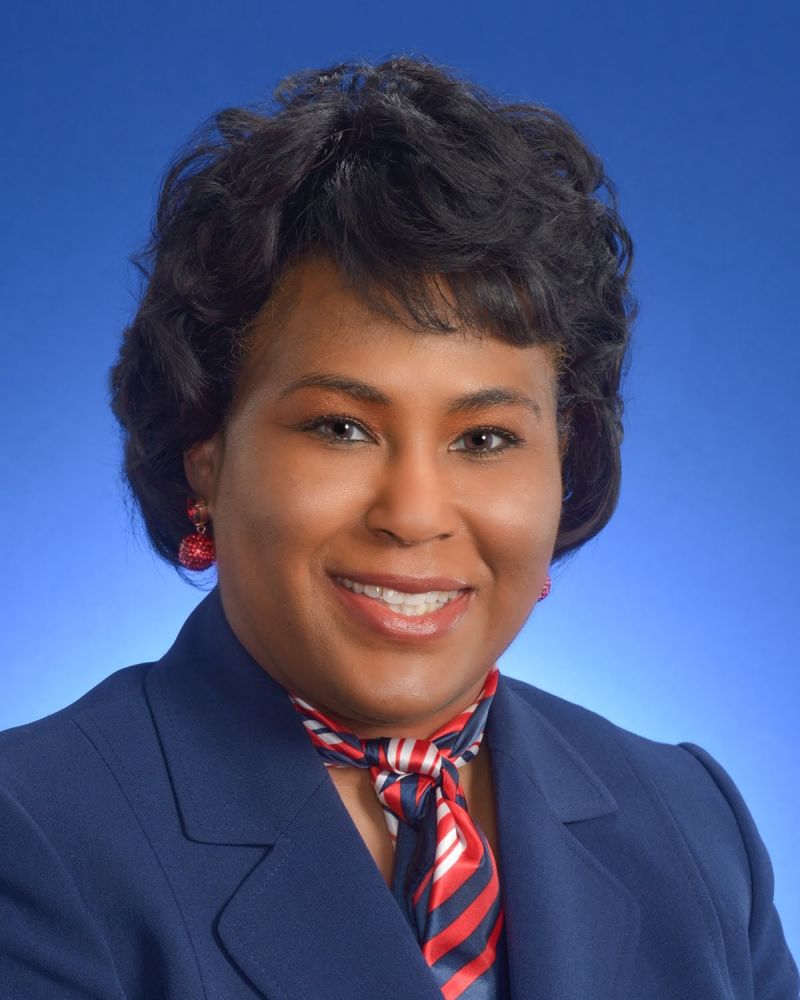
Sponsors

Discoveries
Patterns POLISCOPE noticed across the record. These are observations to investigate, not conclusions.
Elimination of Cost Sharing for Breast Exam Diagnostics
The bill shifts financial responsibility by expressly barring deductibles, copayments, and coinsurance for diagnostic and supplemental breast exams across state employee plans, insurers, and HMOs.
Connected Entities
Sources
iga.in.gov
Analysis Score
0–100- Significance20Lowered because this bill did not pass (its text scored 75)
- Controversy20Intensity of disagreement among stakeholders
- Entertainment5Compellingness for a non-policy-wonk reader
- Buzz30Current news / social attention level
Publisher tools