
The civic record
Read. Follow. Verify.Data Driven Suicide Prevention and Outreach Act of 2026
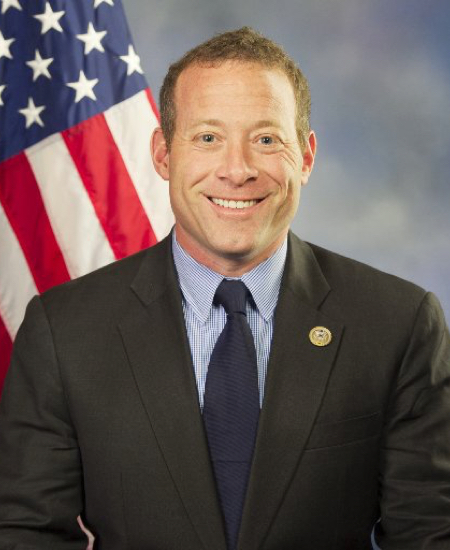
Last action · April 23, 2026: Referred to the House Committee on Veterans' Affairs.Sponsors: Ryan Mackenzie and 1 other
Track this bill to get notified when it advances a stage. One tap to stop, anytime.
What This Bill Would Do
This bill directs the Department of Veterans Affairs (VA) to create a grant program for developing artificial intelligence models that predict suicide risk among veterans. Selected organizations will use AI to analyze health and service records to help improve mental health outcomes.
The bill mandates the creation of a new federal grant program by April 2027 to fund AI-driven suicide prevention tools, which will integrate military service records with clinical health data to identify veterans at risk.
Who It Would Affect
Groups the bill's text would affect if enacted, as described in the record. Being affected is not a position for or against it.
Veterans
Their health and service records will be used to develop predictive models intended to identify suicide risk.
Nonprofit and Research Organizations
These entities may apply for federal grants to develop AI-based predictive tools for the VA.
Department of Veterans Affairs
The agency is required to establish, manage, and implement the grant program and integrate the resulting models into its operations.
Key Facts
- The Secretary of Veterans Affairs must establish a grant program for AI-based suicide risk predictive models within one year of the bill's enactment.
- The program must select at least two eligible organizations to receive grants.
- The Secretary is prohibited from selecting more than one organization per Veteran Integrated Services Network (VISN).
- Grant recipients must integrate data from the Veterans Benefits Administration (including military service records) with clinical data from the Veterans Health Administration.
Show all 10 facts
- Priority for grants is given to organizations in areas with high veteran suicide rates, high Veterans Crisis Line call volumes, and long mental health wait times.
- Priority is also given to organizations with experience in government-owned health care systems and those employing data scientists, clinicians, and suicide prevention specialists.
- Grant recipients must ensure their predictive models are explicable, interoperable, and clinically actionable.
- The program authority terminates on September 30, 2029.
- The bill does not require grant recipients to transfer ownership of their proprietary technology or predictive models to the VA.
- Eligible organizations include nonprofits, academic institutions, and private research organizations with experience in AI, machine learning, and health data security.
Frequently Asked Questions
Will the VA own the AI models created by these organizations?
Who is eligible to apply for these grants?
What data will these AI models use?
What else do you want to know?
News Coverage
Follow the record
Votes, people, money & the original sourceWhere This Stands
Currently in committee. The next step in the legislative lifecycle is Floor Vote.
Procedural history
2 actions- Apr 23, 2026HouseCommitteeReferred to the House Committee on Veterans' Affairs.
- Apr 23, 2026HouseIntroducedIntroduced in House
Version history
Only one version on file - nothing to compare yet. As later stages (committee substitute, engrossed, enrolled) are captured, the redline appears here.
View official text →Full breakdown
Who this bill affects and the strongest case for and against it, written only from the bill’s own text.
Sponsors

Discoveries
Patterns POLISCOPE noticed across the record. These are observations to investigate, not conclusions.
AI Integration in VA Health Care
The bill marks a formal legislative push to integrate AI predictive modeling into the VA's standard clinical and benefits-related operations.
Connected Entities
Sources
www.congress.gov
Analysis Score
0–100- Significance75How much this matters to a regular citizen
- Controversy20Intensity of disagreement among stakeholders
- Entertainment5Compellingness for a non-policy-wonk reader
- Buzz40Current news / social attention level
Publisher tools