
The civic record
Read. Follow. Verify.Clean Energy Workforce Act
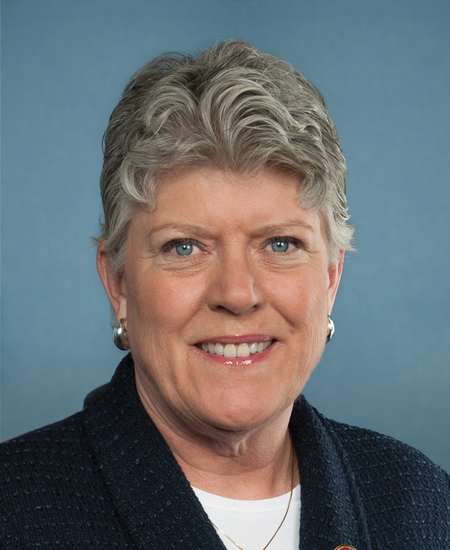
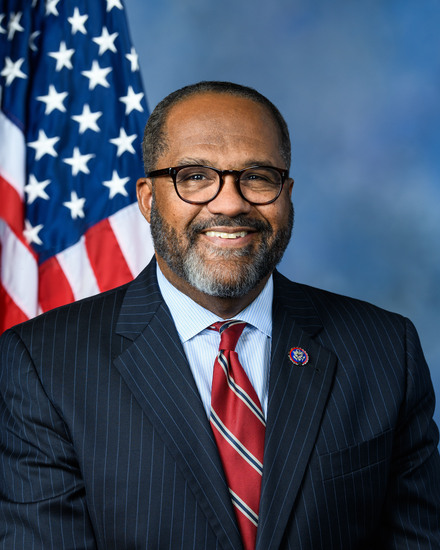
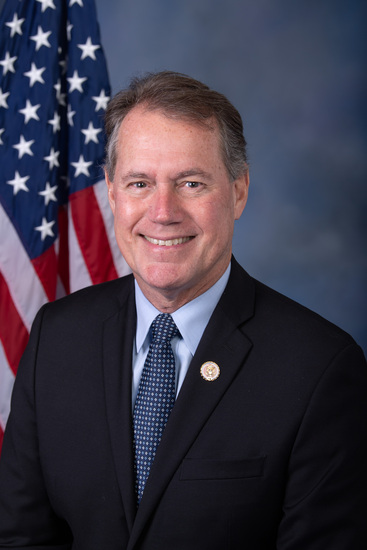
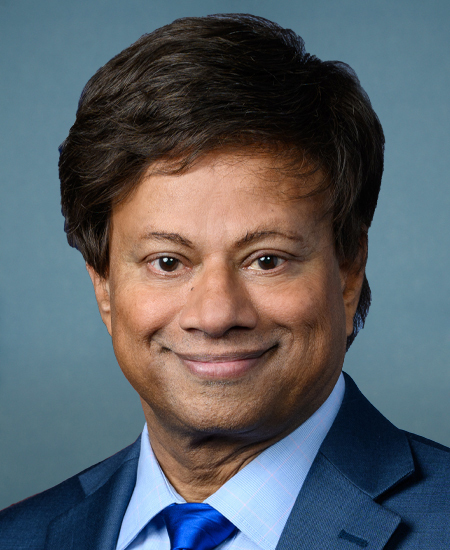
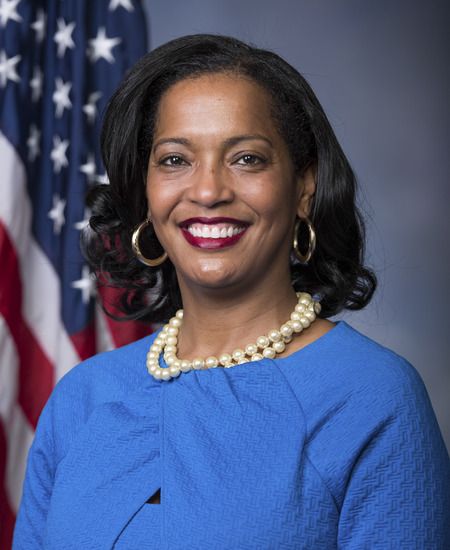
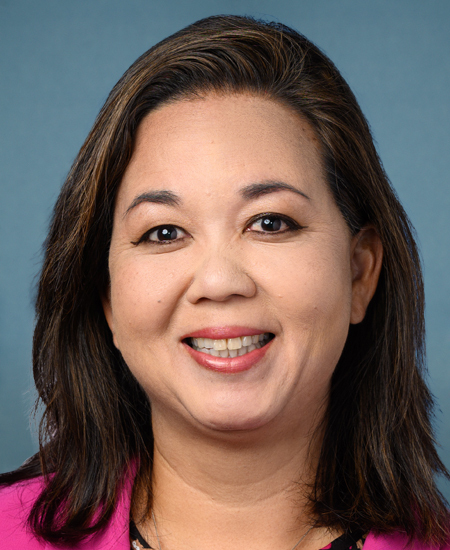
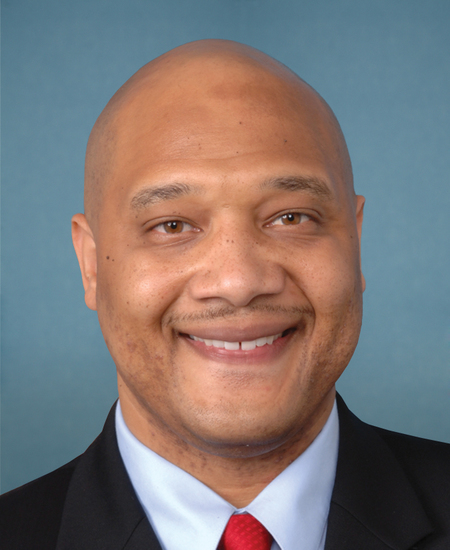
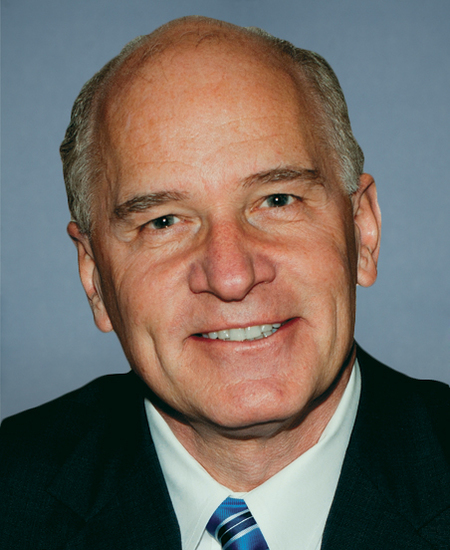
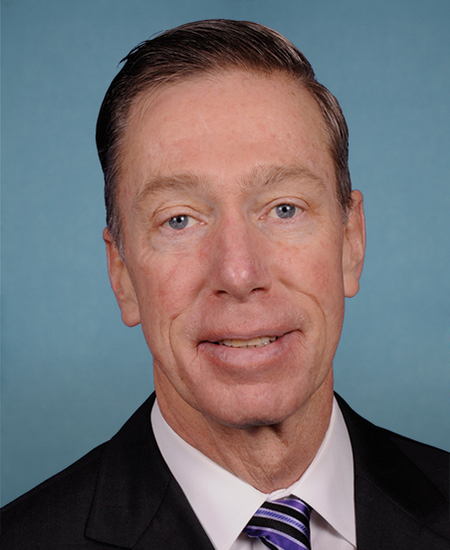
Last action · April 27, 2026: Referred to the House Committee on Education and Workforce.Sponsors: Seth Magaziner and 23 others
Track this bill to get notified when it advances a stage. One tap to stop, anytime.
What This Bill Would Do
This bill proposes a federal grant program to help schools and colleges develop job training programs for renewable energy careers. It also provides funding for educational institutions to upgrade their facilities to be more energy-efficient.
If passed, this bill would create new competitive federal grant opportunities for local schools and colleges to build green-energy training programs and renovate campus facilities for energy efficiency.
Who It Would Affect
Groups the bill's text would affect if enacted, as described in the record. Being affected is not a position for or against it.
Local educational agencies and schools
These entities are eligible to apply for competitive grants to fund new curriculum and facility upgrades.
Postsecondary institutions
These institutions are eligible to participate in partnerships to develop renewable energy career programs.
Labor organizations
These groups are identified as required partners for consultation in the development of career and technical education programs.
Key Facts
- Establishes a competitive grant program for partnerships to develop or expand career and technical education programs in renewable energy fields.
- Requires eligible partnerships to include at least one local educational agency or career school, one postsecondary institution, and community representatives like business owners or labor unions.
- Establishes a separate competitive grant program for educational entities to improve facility energy efficiency and adopt renewable energy practices.
- Mandates that the Secretary of Energy convene a peer review committee consisting of educators and industry experts to evaluate grant applications.
Show all 9 facts
- Prioritizes grant applications that focus on low-performing students and special populations.
- Requires grant recipients to demonstrate how their programs will be replicable and shareable with other schools in urban or rural areas.
- Allows grant funds for facility construction, operation, and the purchase of energy-efficient educational machinery.
- Requires grant applicants to perform an evaluation of their facility's current energy effectiveness and sustainability.
- Requires applicants to consult with labor organizations or apprenticeship sponsors when developing training programs.
Frequently Asked Questions
Who can apply for these grants?
What can the facility grants be used for?
Does this bill require collaboration with labor unions?
What else do you want to know?
News Coverage
Follow the record
Votes, people, money & the original sourceWhere This Stands
Currently in committee. The next step in the legislative lifecycle is Floor Vote.
Procedural history
2 actions- Apr 27, 2026HouseCommitteeReferred to the House Committee on Education and Workforce.
- Apr 27, 2026HouseIntroducedIntroduced in House
Version history
Only one version on file - nothing to compare yet. As later stages (committee substitute, engrossed, enrolled) are captured, the redline appears here.
View official text →Full breakdown
Who this bill affects and the strongest case for and against it, written only from the bill’s own text.
Sponsors
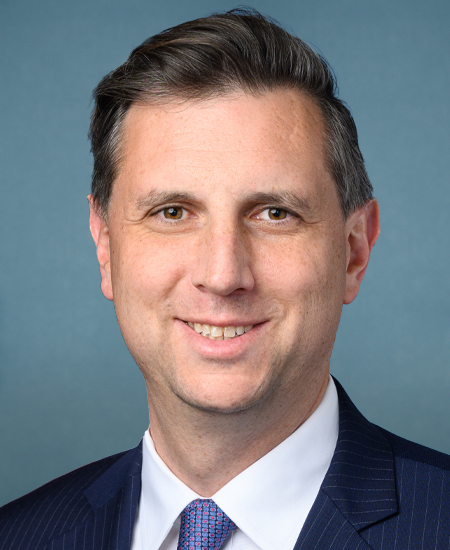
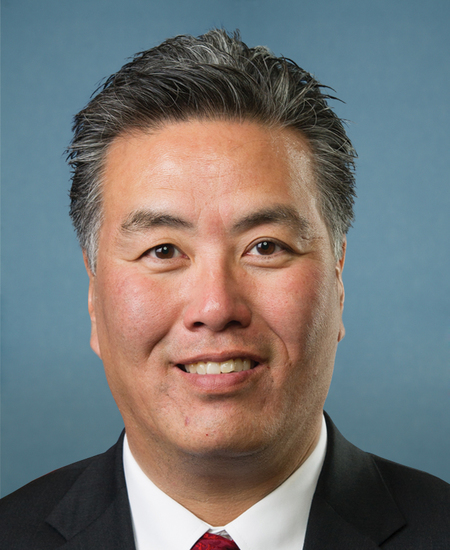
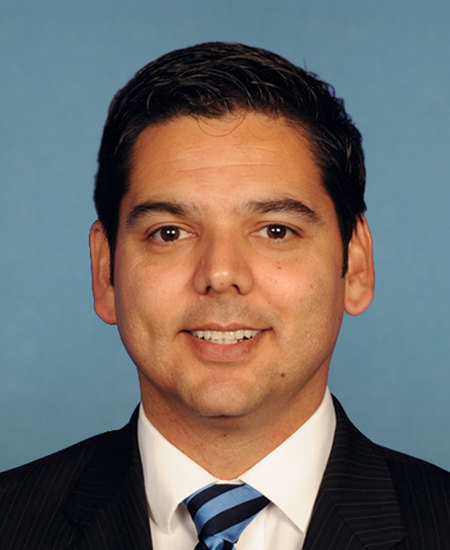

Show 19 more sponsors








Discoveries
Patterns POLISCOPE noticed across the record. These are observations to investigate, not conclusions.
Integration of Labor Consultation
The bill explicitly mandates consultation with labor organizations and apprenticeship sponsors as a requirement for curriculum grant applications.
Connected Entities
Sources
www.congress.gov
Analysis Score
0–100- Significance60How much this matters to a regular citizen
- Controversy20Intensity of disagreement among stakeholders
- Entertainment5Compellingness for a non-policy-wonk reader
- Buzz15Current news / social attention level
Publisher tools