
The civic record
Read. Follow. Verify.Alabama makes unauthorized retention of deceased organs by medical examiners a Class C felony
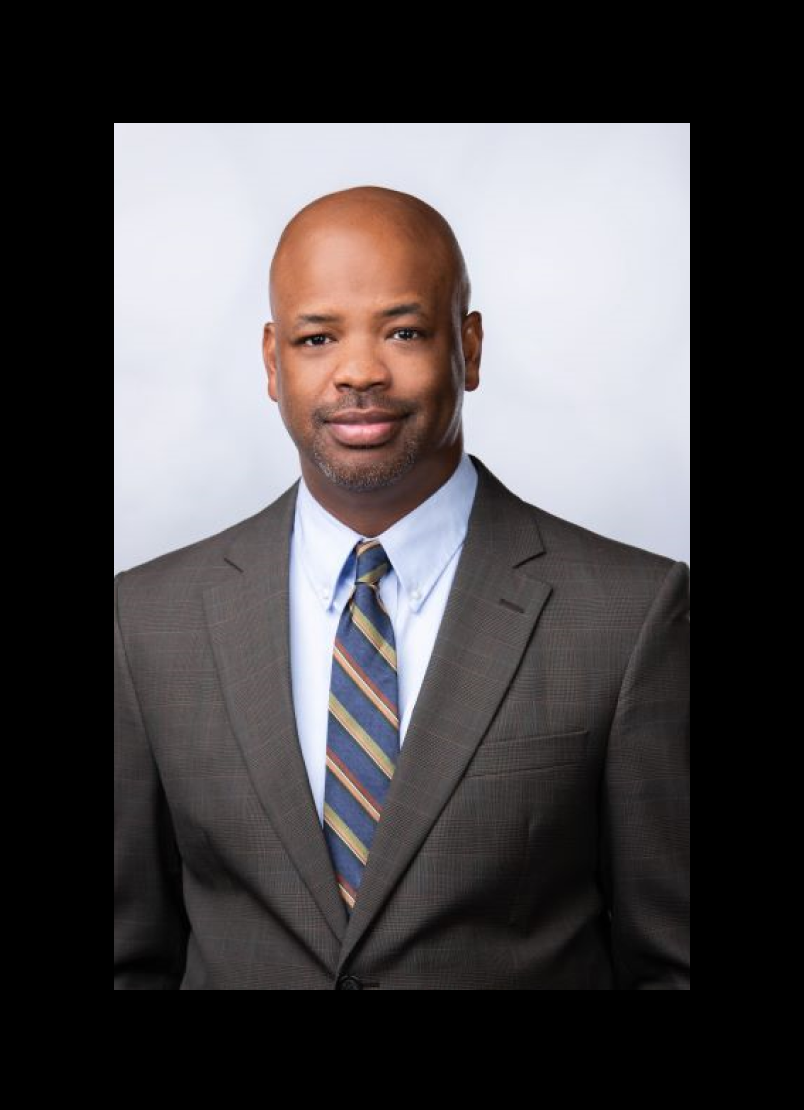
Last action · January 14, 2026: Read for the Second Time and placed on the CalendarSponsor: Chris England
Track this bill to get notified when it advances a stage. One tap to stop, anytime.
What This Bill Would Do
Crimes and offenses; medical examiners, criminal penalties imposed for retention of deceased individual's organ without notice and consent
Deceased individuals' families gain legal protections against unauthorized organ retention by forensic staff, backed by criminal felony penalties for violations.
Who It Would Affect
Groups the bill's text would affect if enacted, as described in the record. Being affected is not a position for or against it.
medical examiners
Medical examiners face criminal felony charges if they retain deceased individuals' organs without required next of kin notification and consent.
next of kin of deceased individuals
Next of kin gain the right to receive notifications and provide or withhold approval before a medical examiner retains organs for research or non-diagnostic purposes.
Department of Forensic Sciences
Medical examiners employed by the department are subject to the new criminal penalties and procedural notification rules.
Key Facts
You don't have to trust us. Each fact below is taken straight from the official document - click any one to see the exact passage, highlighted in the original.
Frequently Asked Questions
What happens if a medical examiner keeps an organ without family consent?
Are there any exceptions where notification is not required?
When does this new law go into effect?
What else do you want to know?
News Coverage
Follow the record
Votes, people, money & the original sourceWhere This Stands
Currently on floor. The next step in the legislative lifecycle is Passed.
Procedural history
4 actions- Jan 14, 2026HouseRead for the Second Time and placed on the Calendar
- Jan 14, 2026HouseCommitteeReported Out of Committee House of Origin
- Jan 13, 2026HouseCommitteePending Committee Action in House of Origin
- Jan 13, 2026HouseIntroducedRead for the first time and referred to the House Committee on Judiciary
Version history
Only one version on file - nothing to compare yet. As later stages (committee substitute, engrossed, enrolled) are captured, the redline appears here.
View official text →Lobbying Activity
No state lobbying filings in our records match this bill. Federal lobbying reports (LDA) cover Congress, so they are not listed on state bills.
Full breakdown
Who this bill affects and the strongest case for and against it, written only from the bill’s own text.
Sponsors
Connected Entities
Sources
alison.legislature.state.al.us
Analysis Score
0–100- Significance65How much this matters to a regular citizen
- Controversy15Intensity of disagreement among stakeholders
- Entertainment10Compellingness for a non-policy-wonk reader
- Buzz30Current news / social attention level
Publisher tools