
The civic record
Read. Follow. Verify.Back the Blue Act of 2025
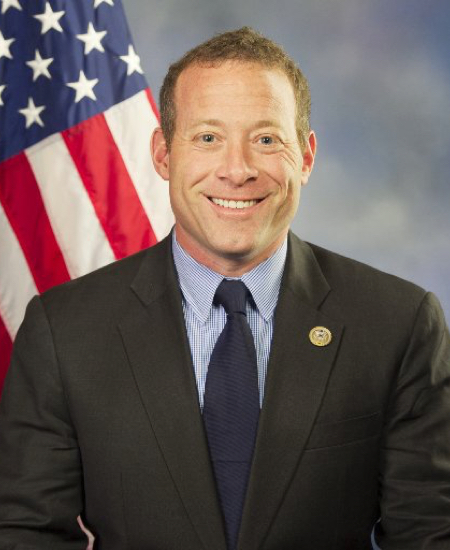
Last action · July 10, 2025: Referred to the House Committee on the Judiciary.Sponsors: Don Bacon and 4 others
Track this bill to get notified when it advances a stage. One tap to stop, anytime.
What This Bill Would Do
This bill creates new federal criminal offenses for killing or assaulting law enforcement officers, judges, and other public safety personnel. It establishes prison sentences for these crimes and allows for federal prosecution under specific conditions.
This bill expands federal criminal jurisdiction to include the killing or assault of state and local public safety officers who work for agencies receiving federal funding, potentially resulting in longer mandatory prison sentences than those currently available under state law.
Who It Would Affect
Groups the bill's text would affect if enacted, as described in the record. Being affected is not a position for or against it.
Law enforcement and public safety officers
These individuals receive new federal protections against assault and homicide, with specific mandatory sentencing guidelines for offenders.
State and local criminal justice systems
These agencies may see federal intervention in cases involving violence against their personnel, subject to Attorney General certification.
Key Facts
- Creates a new federal offense for killing, attempting to kill, or conspiring to kill federal judges, federal law enforcement, or federally funded public safety officers.
- Sets penalties for killing such officers at a minimum of 10 years to life imprisonment, or 30 years to life if death results, with the possibility of the death penalty.
- Creates a new federal offense for assaulting federally funded state or local law enforcement officers.
- Establishes mandatory minimum prison sentences for assaults based on injury severity: 2-10 years for bodily injury, 5-20 years for substantial bodily injury, and 10+ years for serious bodily injury.
Show all 9 facts
- Mandates a minimum 20-year prison sentence if a deadly or dangerous weapon is used during an assault on an officer.
- Requires written certification from the U.S. Attorney General to initiate federal prosecution for assaults, based on criteria like lack of state jurisdiction or the need to vindicate federal interests.
- Sets a 7-year statute of limitations for non-fatal assault offenses, while offenses resulting in death have no statute of limitations.
- Makes it a federal crime to travel in interstate or foreign commerce to avoid prosecution for killing or attempting to kill a federal judge or law enforcement officer.
- Defines 'federally funded public safety officer' to include police, firefighters, rescue squad members, ambulance crews, and judicial officers (including prosecutors and court staff) working for agencies that receive federal funds.
Frequently Asked Questions
Does this bill apply to local police officers?
Can the federal government prosecute any assault on a local officer under this bill?
What else do you want to know?
News Coverage
Follow the record
Votes, people, money & the original sourceWhere This Stands
Currently in committee. The next step in the legislative lifecycle is Floor Vote.
Procedural history
2 actions- Jul 10, 2025HouseCommitteeReferred to the House Committee on the Judiciary.
- Jul 10, 2025HouseIntroducedIntroduced in House
Version history
Only one version on file - nothing to compare yet. As later stages (committee substitute, engrossed, enrolled) are captured, the redline appears here.
View official text →Full breakdown
Who this bill affects and the strongest case for and against it, written only from the bill’s own text.
Sponsors




Discoveries
Patterns POLISCOPE noticed across the record. These are observations to investigate, not conclusions.
Federalization of Local Policing
The bill significantly lowers the barrier for federal intervention in local criminal cases by defining 'federally funded' agencies as subject to federal protection statutes.
Connected Entities
Sources
www.congress.gov
Analysis Score
0–100- Significance85How much this matters to a regular citizen
- Controversy75Intensity of disagreement among stakeholders
- Entertainment20Compellingness for a non-policy-wonk reader
- Buzz40Current news / social attention level
Publisher tools