
The civic record
Read. Follow. Verify.New Mexico bill creates civil liability and registration for unauthorized AI digital replicas
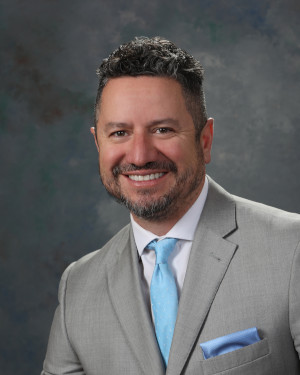
Last action · January 28, 2026: Not PrintedSponsors: Tara Luján and 1 other
Track this bill to get notified when it advances a stage. One tap to stop, anytime.
What This Bill Proposed
House Bill 212 establishes property rights for an individual's voice and visual likeness, prohibiting unauthorized computer-generated s and making violators liable for statutory damages starting at $5,000 per work beginning July 1, 2026.
The measure establishes enforceable legal rights and financial penalties for unauthorized artificial intelligence cloning of living or deceased individuals, impacting creators, technology platforms, and online service providers operating in the state.
- State lawmakers across the United States have increasingly introduced legislation to regulate artificial intelligence and protect individuals from unauthorized digital cloning of their voices and likenesses. context
- Tara L. Lujan serves as a member of the New Mexico Legislature representing the state's lower house. context
Who It Would Have Affected
Groups the bill's text would have affected, as described in the record. Being affected is not a position for or against it.
Individuals and Right Holders
Individuals and their designated right holders gain exclusive property rights over their voice and visual likeness, enabling them to license digital replicas and bring civil lawsuits for unauthorized use.
Online Services and Platforms
Online platforms must establish notice-and-takedown procedures to remove unauthorized digital replicas promptly in order to avoid statutory liability.
Sound Recording Artists
Artists who perform for economic gain receive specific legal standing for exclusive contracts and distribution rights regarding audio performances and digital replicas.
Key Facts
You don't have to trust us. Each fact below is taken straight from the official document - click any one to see the exact passage, highlighted in the original.
Frequently Asked Questions
What is considered a digital replica under this act?
How long do the likeness rights last after someone dies?
Are online platforms liable if users upload unauthorized digital replicas?
What are the exceptions where a digital replica can be used without consent?
What else do you want to know?
News Coverage
Follow the record
Votes, people, money & the original sourceWhere This Stands
This bill did not become law - Died at adjournment · introduced in the House.
Procedural history
1 action- Jan 28, 2026New Mexico LegislatureNot Printed
Version history
Only one version on file - nothing to compare yet. As later stages (committee substitute, engrossed, enrolled) are captured, the redline appears here.
View official text →Lobbying Activity
No state lobbying filings in our records match this bill. Federal lobbying reports (LDA) cover Congress, so they are not listed on state bills.
Full breakdown
Who this bill affects and the strongest case for and against it, written only from the bill’s own text.
Sponsors

Discoveries
Patterns POLISCOPE noticed across the record. These are observations to investigate, not conclusions.
Creation of New State-Level IP Rights for AI Replicas
The bill establishes a distinct property right for voice and visual likeness that explicitly survives an individual's death for 70 years, bridging traditional intellectual property with modern generative AI technology.
Connected Entities
Sources
www.nmlegis.gov
Analysis Score
0–100- Significance20Lowered because this bill did not pass (its text scored 75)
- Controversy60Intensity of disagreement among stakeholders
- Entertainment20Compellingness for a non-policy-wonk reader
- Buzz65Current news / social attention level
Publisher tools