
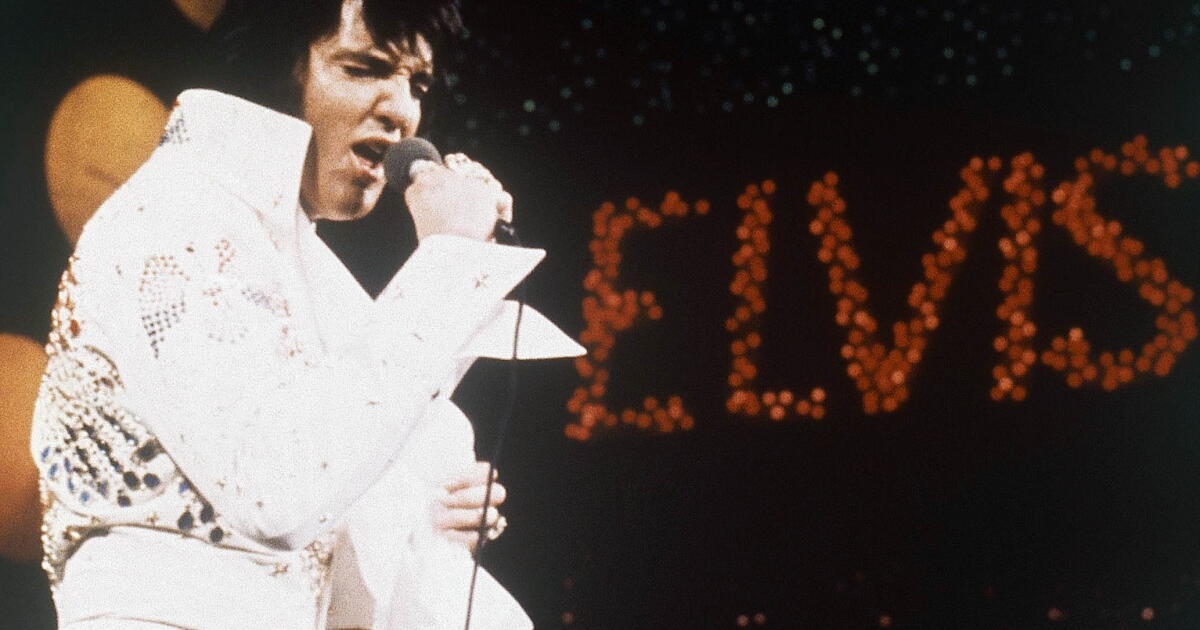
Elvis Presley catalog owners sue Anthropic alleging copyright infringement
Photo: Los Angeles Times – California
Rights-holders controlling 274 Elvis Presley songs filed a federal lawsuit Friday alleging that artificial intelligence company Anthropic used their compositions without permission to train its Claude AI model. The plaintiffs are seeking approximately $50 million in damages, court costs, and attorneys' fees, claiming the unauthorized use damages the value of the works. Anthropic stated Sunday that it disagrees with the claims and intends to defend the case fully.
Read the full story at Los Angeles Times – CaliforniaWhy It Matters
The outcome of this lawsuit could establish legal precedents regarding whether artificial-intelligence companies can utilize copyrighted musical compositions for training models without compensating rightsholders, impacting a sector facing multiple similar federal claims.
Key Facts
- Rights-holders controlling 274 Elvis Presley songs filed a lawsuit against Anthropic in federal court in San Francisco.
- The plaintiffs claim Anthropic used Presley's songs without permission or payment to train its Claude AI agent.
- The lawsuit includes notable songs such as "All Shook Up," “Can’t Help Falling in Love,” “Don’t Be Cruel,” and “Return To Sender.”
- Authentic Brands Group initiated the lawsuit alongside other legal entities owning the rights.
- The plaintiffs are seeking roughly $50 million in damages, court costs, and attorneys' fees.
- Anthropic stated through a spokesperson that it disagrees with the claims and intends to defend the case fully.
- The lawsuit alleges that Anthropic stored the songs in a permanent central library to train successive generations of Claude models.
- The plaintiffs' lawyers noted that at least six similar federal lawsuits are currently pending regarding musical compositions used to train AI.
- The suit alleges that Anthropic removed identifying information from the works and kept profits generated from their unauthorized use.