
The civic record
Read. Follow. Verify.Maryland legalizes oral communication interception for authorized fair housing testers starting October 2026
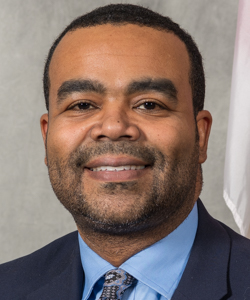
Last action · April 13, 2026: Third Reading Passed with Amendments (113-19)Sponsor: Charles Sydnor
Track this bill to get notified when it advances a stage. One tap to stop, anytime.
What This Bill Would Do
Senate Bill 180 makes it lawful for authorized s to record private s when gathering evidence of housing discrimination. The recorded contents are restricted exclusively to enforcing federal, state, or local fair housing laws and cannot be used in other legal proceedings. The law takes effect on October 1, 2026.
Fair housing organizations and testers gain explicit legal permission to record conversations during discrimination investigations without facing wiretapping liability, provided recordings are used solely for housing law enforcement.
- Maryland law generally governs the interception of private oral communications under strict wiretapping statutes requiring adherence to specific consent frameworks. context
- Fair housing testing is a recognized investigative method used by government agencies and civil rights groups to detect unlawful housing discrimination based on protected characteristics. context
Who It Would Affect
Groups the bill's text would affect if enacted, as described in the record. Being affected is not a position for or against it.
Fair housing testers
Testers are granted explicit legal permission to intercept oral communications when investigating potential housing discrimination.
Nonprofit civil rights organizations
Eligible organizations meeting specific experience and tax-exempt criteria can operate testing programs that utilize authorized communication interceptions.
Key Facts
- It is lawful for a person to intercept an oral communication if working as a fair housing tester for a program operated by the federal government, the State, a local government, or a nonprofit civil rights organization.
- The fair housing tester must be a party to the communicated conversation.
- The interception must be made for the purpose of obtaining evidence of a fair housing violation under federal, state, or local law.
- Intercepted communications and derived evidence generally cannot be received in evidence in any trial, hearing, or proceeding before any Maryland court or agency, except for enforcing fair housing laws.
Show all 6 facts
- A nonprofit civil rights organization is defined as a qualified fair housing organization under federal regulations or a private tax-exempt organization incorporated under Maryland law with at least two years of experience in complaint intake, investigation, and fair housing testing.
- The Act takes effect on October 1, 2026.
Frequently Asked Questions
Can recordings made by fair housing testers be used in general court cases?
What else do you want to know?
News Coverage
Follow the record
Votes, people, money & the original sourceWhere This Stands
Currently passed both. The next step in the legislative lifecycle is Law.
Procedural history
18 actions- Apr 13, 2026HouseFloorThird Reading Passed with Amendments (113-19)
- Apr 13, 2026HouseFloor Amendment { 663025/1 (Delegate Adams) Adopted
- Apr 13, 2026HouseFloor Amendment { 963227/1 (Delegate Adams) Adopted
- Apr 13, 2026HouseFloor Amendment { 873229/1 (Delegate Cardin) Adopted
- Apr 13, 2026HouseFloorSecond Reading Passed with Amendments
- Apr 13, 2026HouseFloor Amendment { 483425/1 (Delegate Cardin) Adopted
Show 12 earlier actions
- Apr 13, 2026HouseFavorable with Amendments { 883821/1 Adopted
- Apr 13, 2026HouseFloorMotion Special Order until Later This Session (Delegate Cardin) Adopted
- Apr 13, 2026HouseFavorable with Amendments { 883821/1
- Apr 11, 2026HouseCommitteeFavorable with Amendments Report by Judiciary
- Mar 21, 2026HouseCommitteeReferred Judiciary
- Mar 20, 2026SenateFloorThird Reading Passed (30-12)
- Mar 19, 2026SenateFloorSecond Reading Passed
- Mar 19, 2026SenateFloorFavorable Adopted
- Mar 19, 2026SenateCommitteeFavorable Report by Judicial Proceedings
- Jan 14, 2026SenateIntroducedFirst Reading Judicial Proceedings
- Jan 13, 2026SenateHearing 1/22 at 1:00 p.m.
- Oct 23, 2025SenateIntroducedPre-filed
Version history
Only one version on file - nothing to compare yet. As later stages (committee substitute, engrossed, enrolled) are captured, the redline appears here.
View official text →Lobbying Activity
No state lobbying filings in our records match this bill. Federal lobbying reports (LDA) cover Congress, so they are not listed on state bills.
Full breakdown
Who this bill affects and the strongest case for and against it, written only from the bill’s own text.
Sponsors
Discoveries
Patterns POLISCOPE noticed across the record. These are observations to investigate, not conclusions.
Evidentiary Exception to Wiretapping
The legislation creates a targeted exception to traditional all-party consent rules specifically for regulated fair housing testing programs.
Connected Entities
Sources
mgaleg.maryland.gov
Analysis Score
0–100- Significance60How much this matters to a regular citizen
- Controversy35Intensity of disagreement among stakeholders
- Entertainment5Compellingness for a non-policy-wonk reader
- Buzz25Current news / social attention level
Publisher tools