
The civic record
Read. Follow. Verify.National Plan for Epilepsy Act (H.R. 1189)
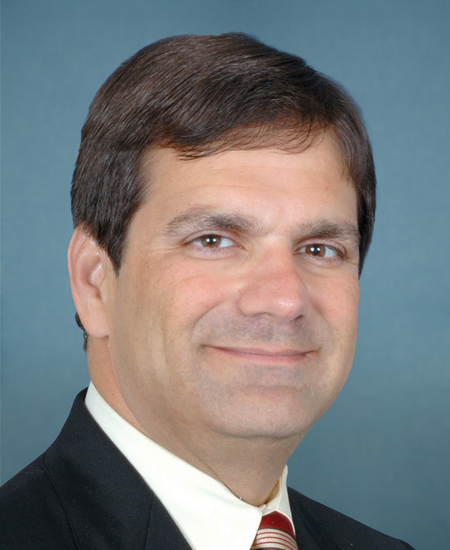
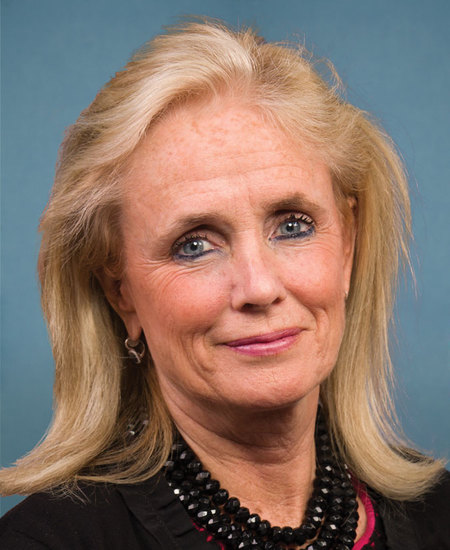
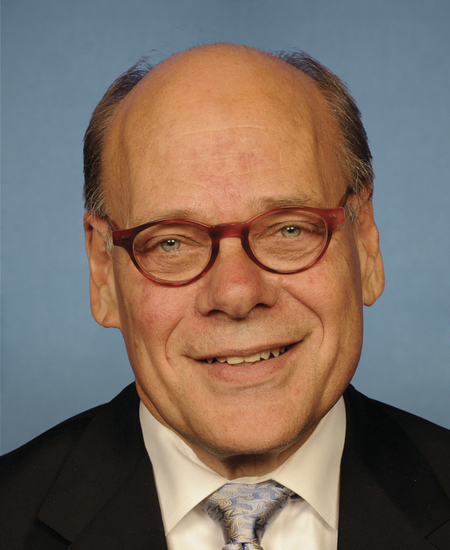
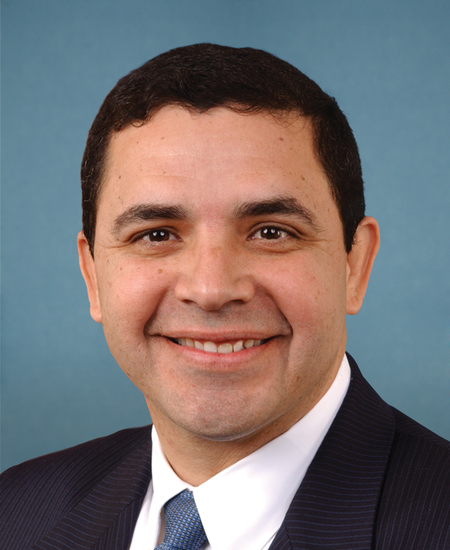
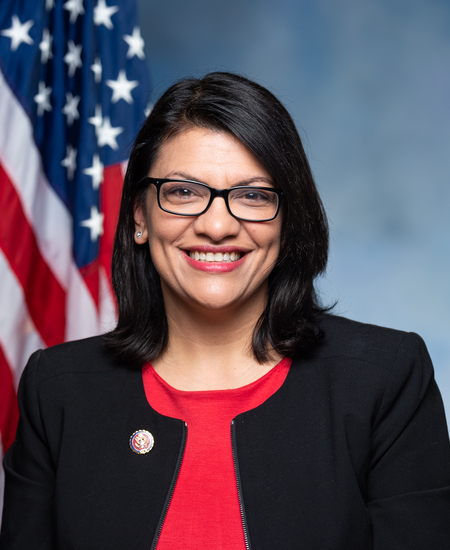
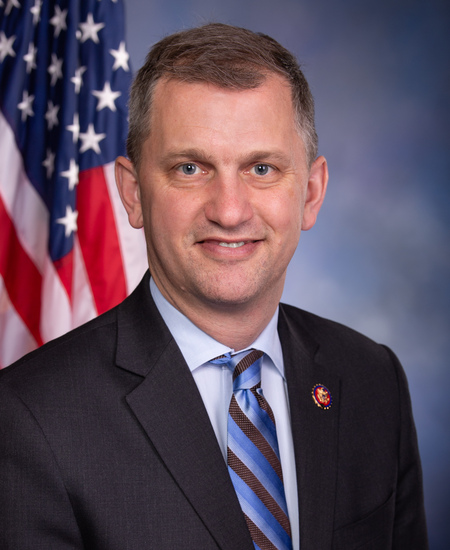
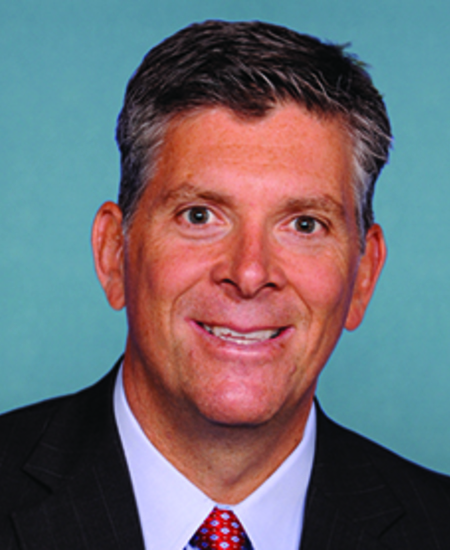
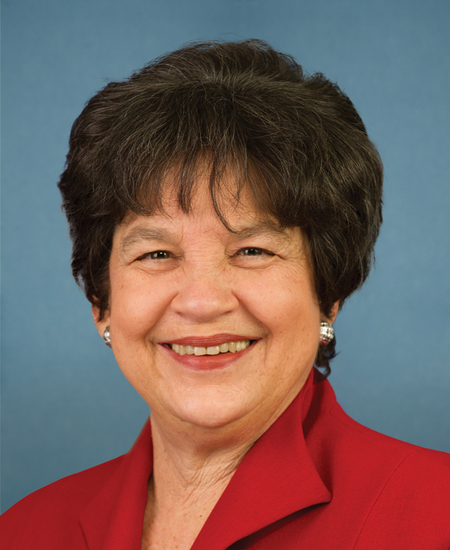
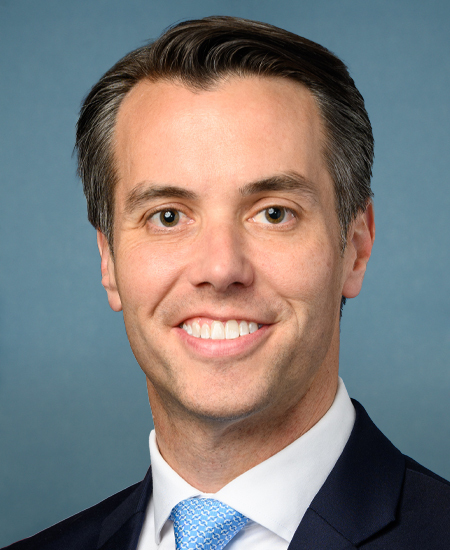
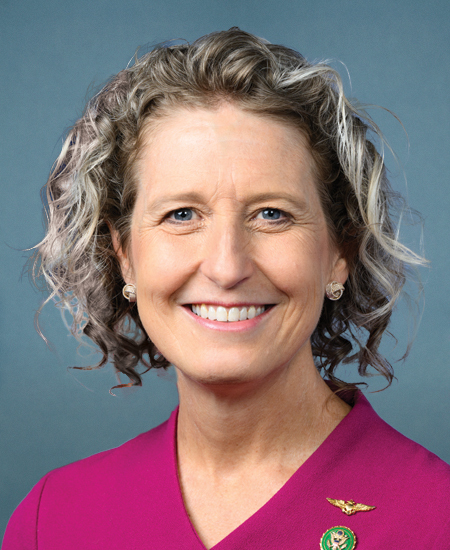
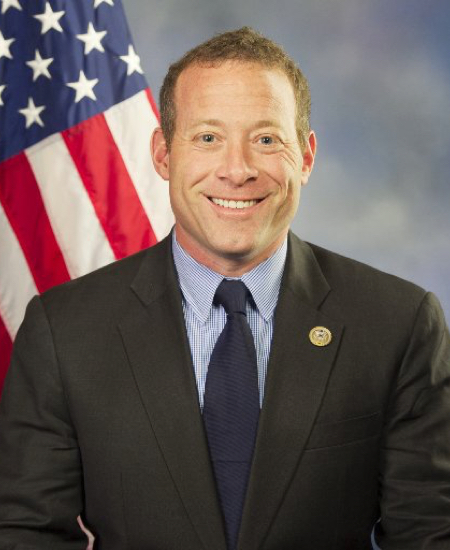
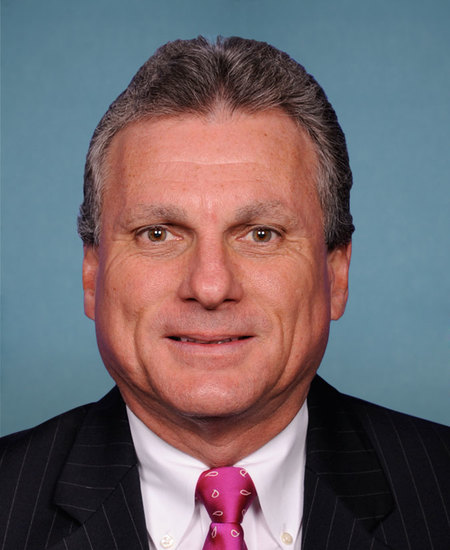
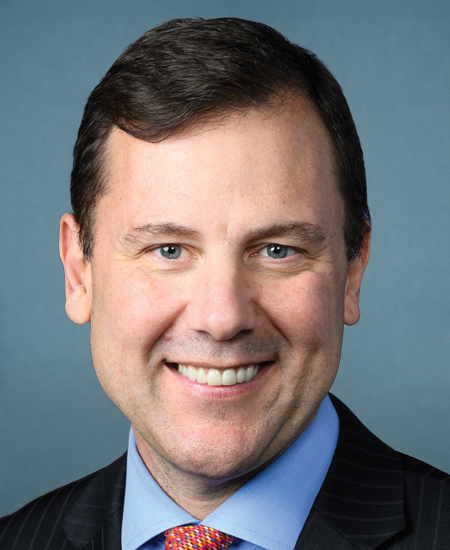
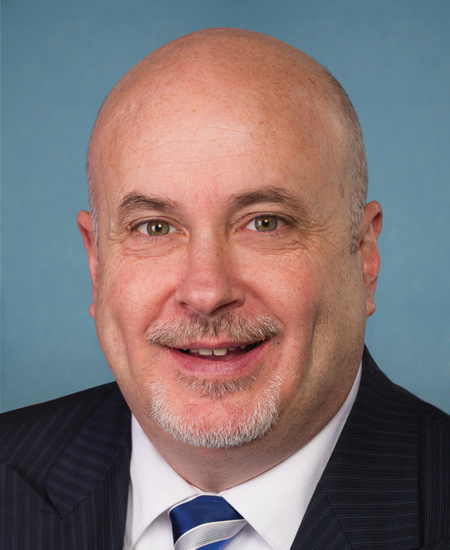
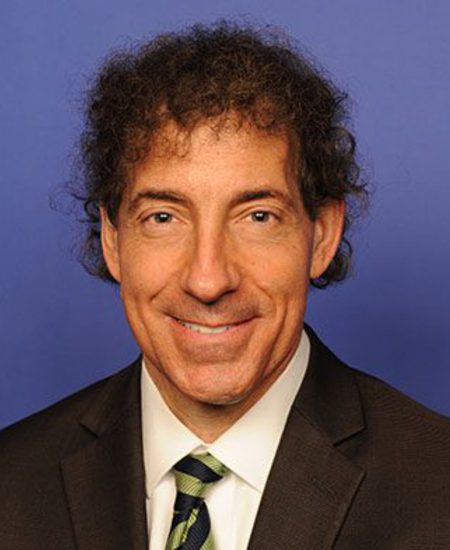
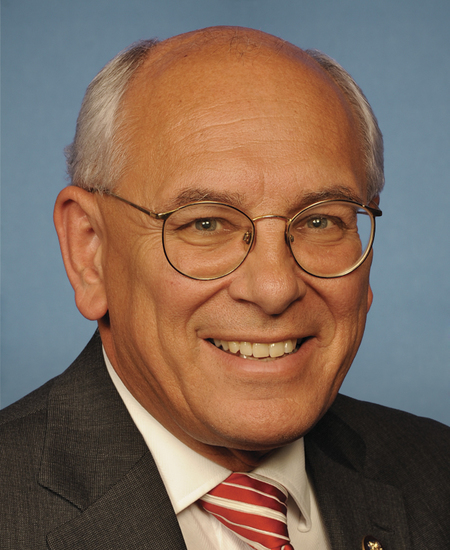
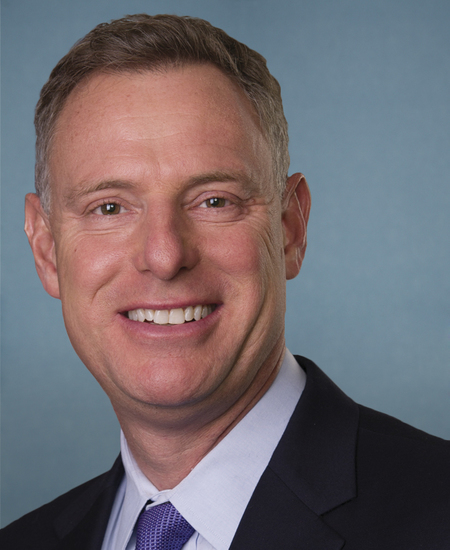
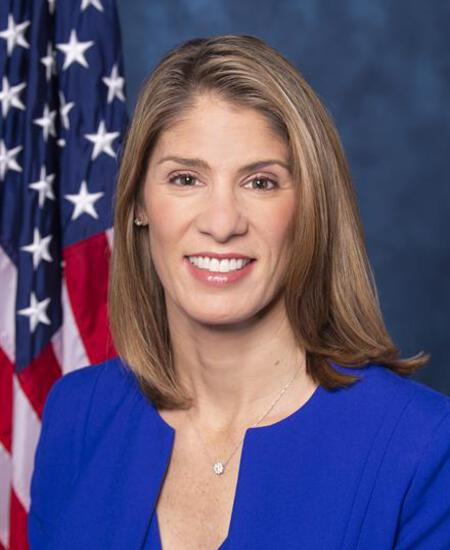
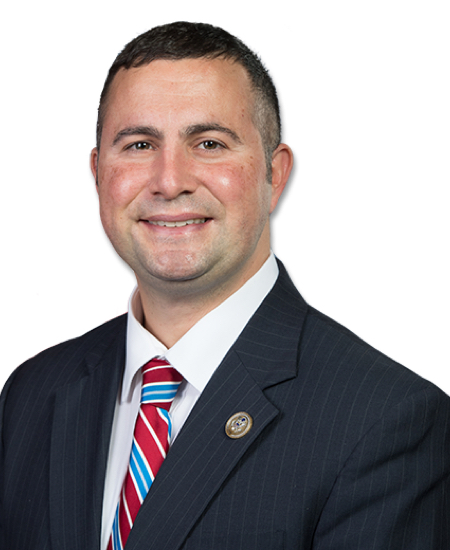
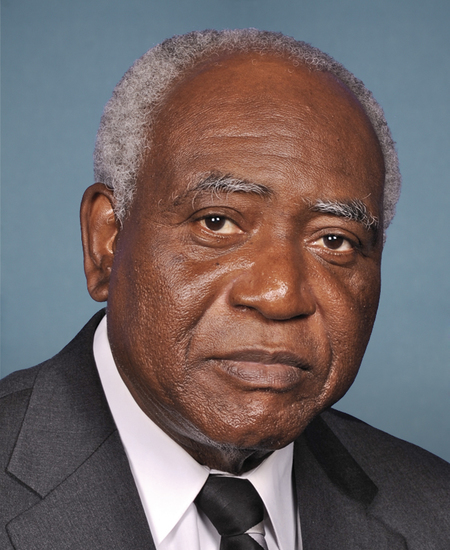
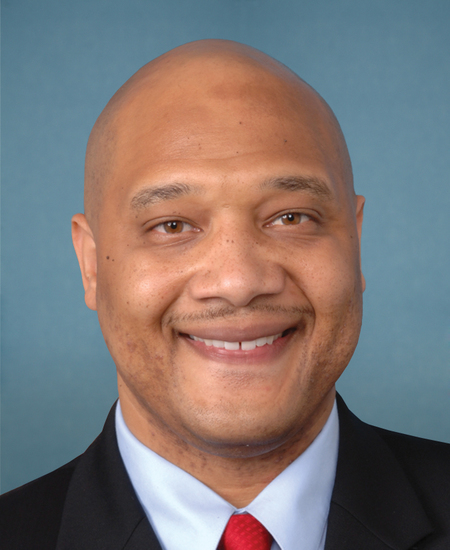
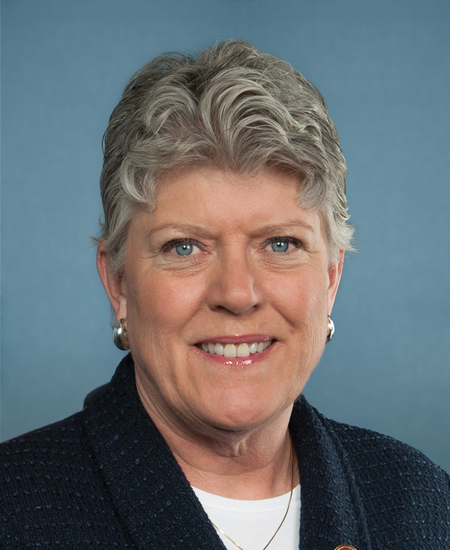
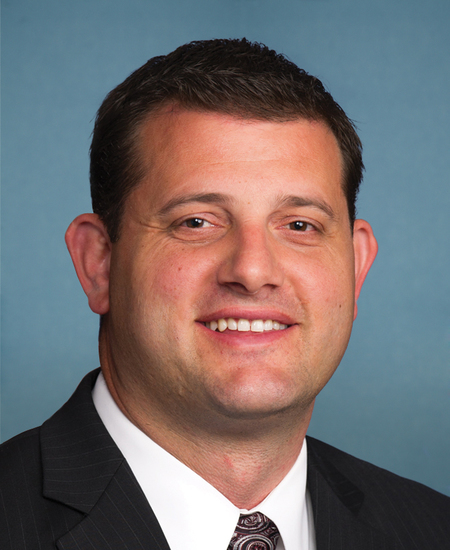
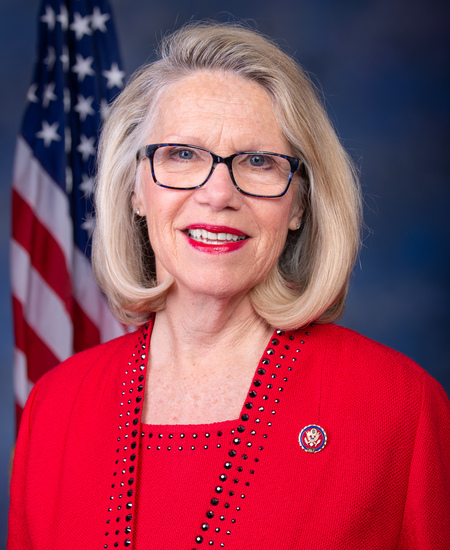
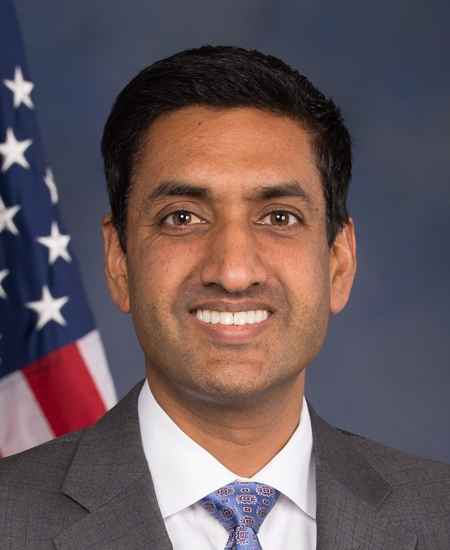
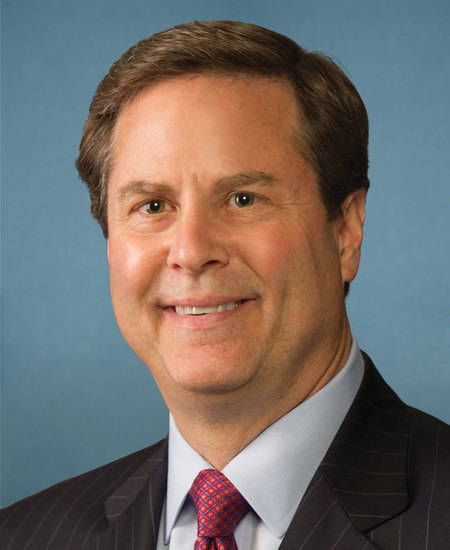
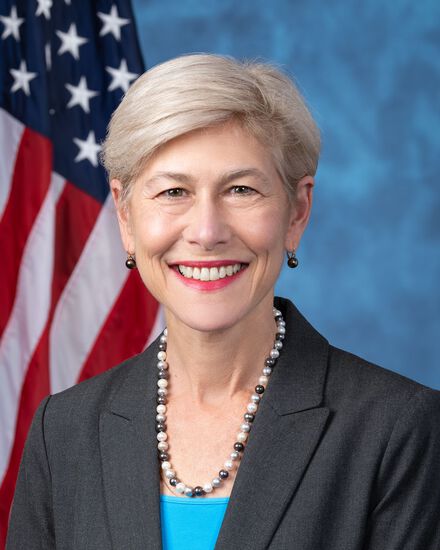
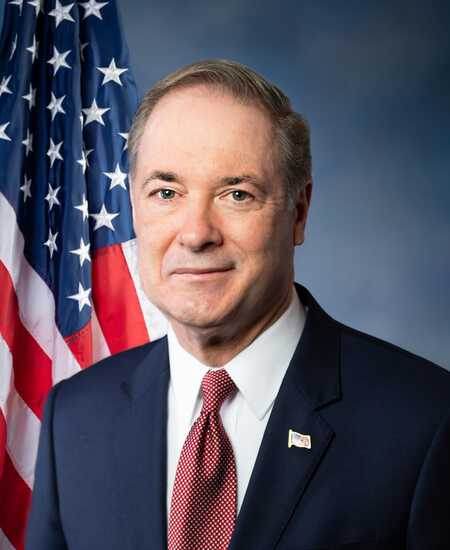
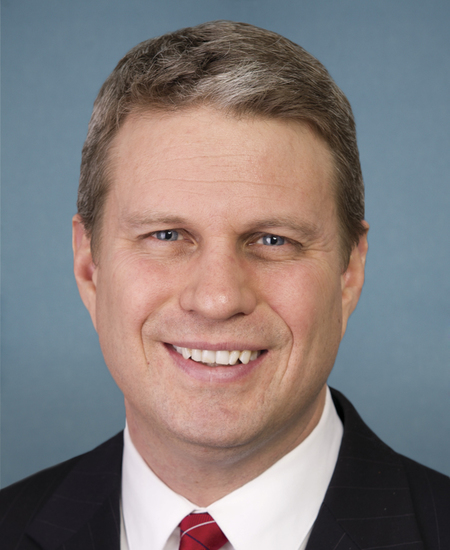
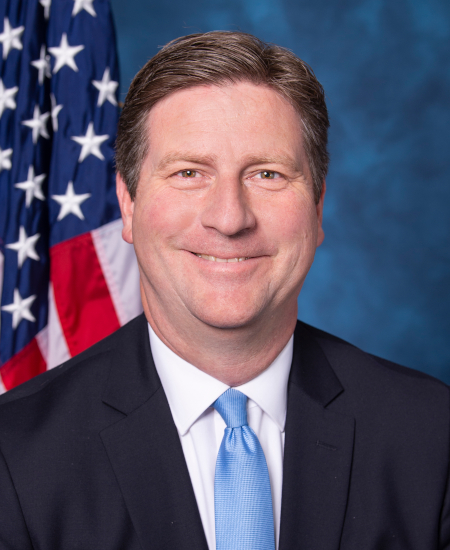
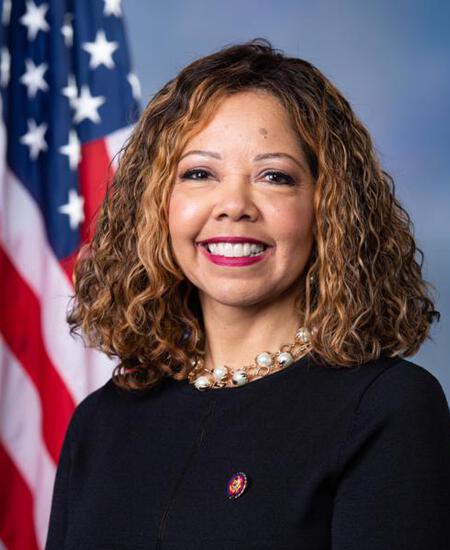
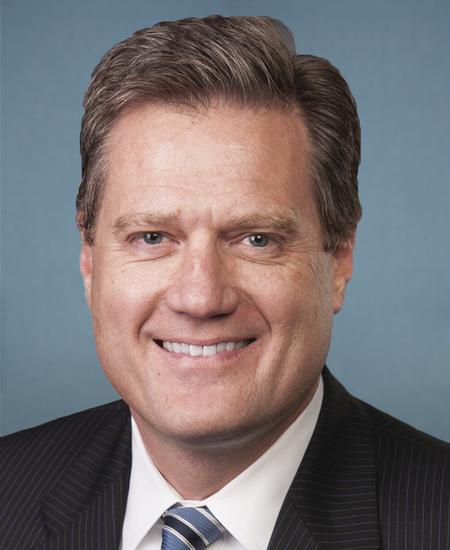
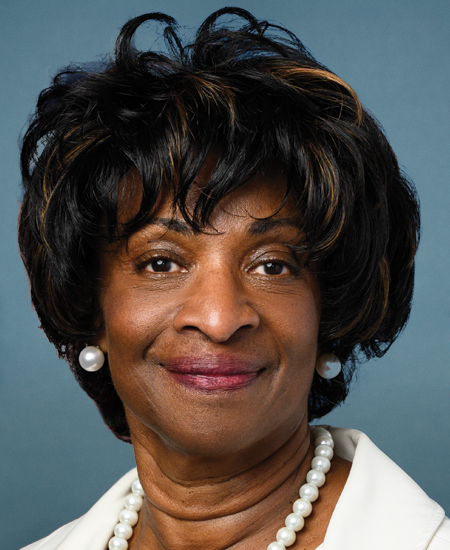
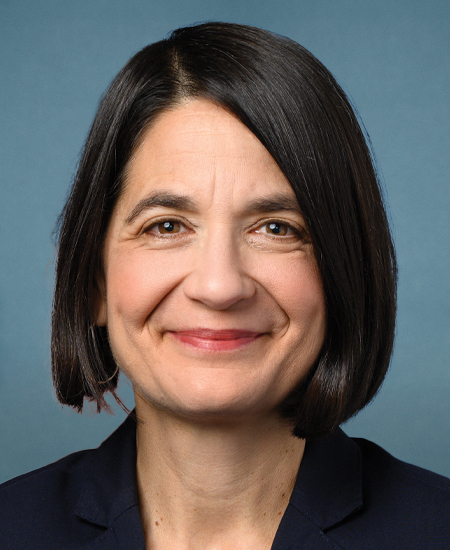
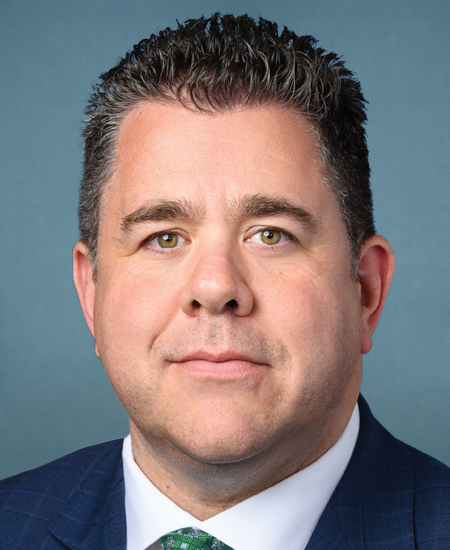
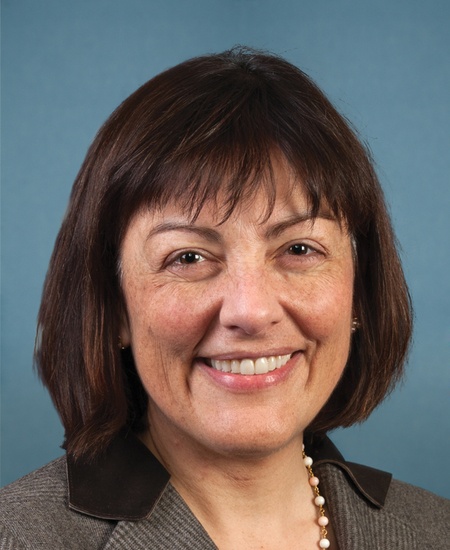
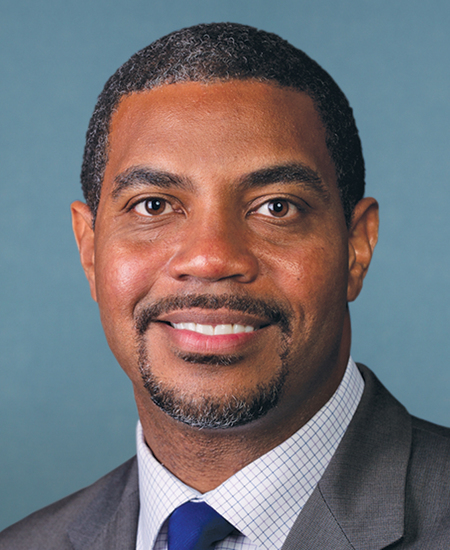
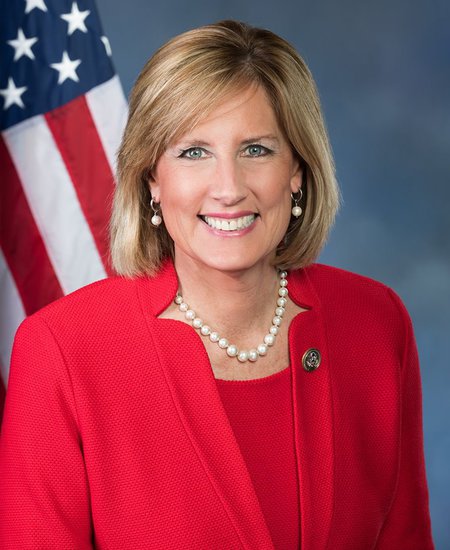
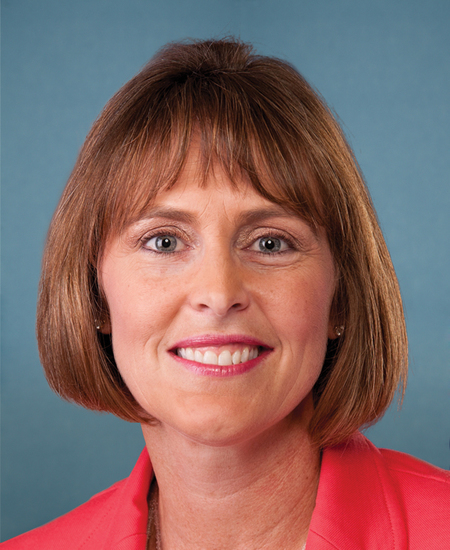
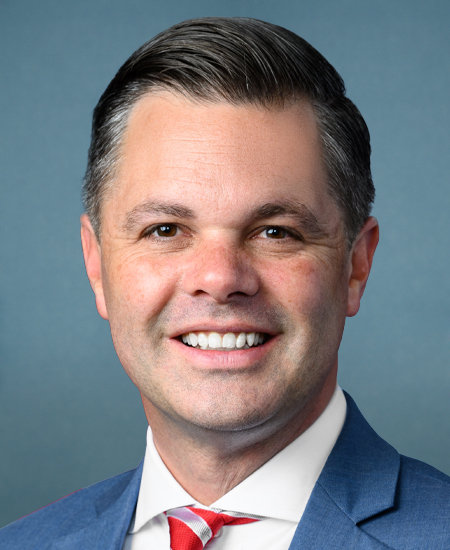
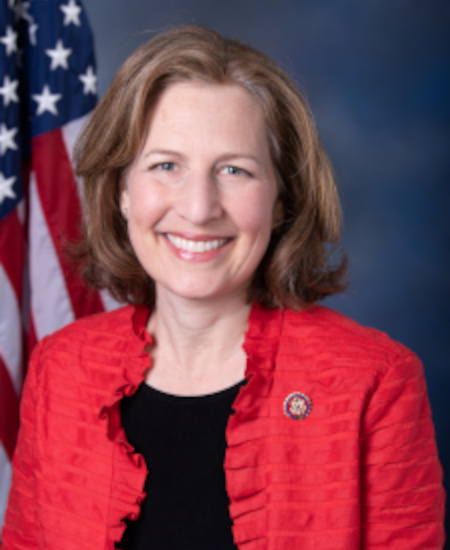
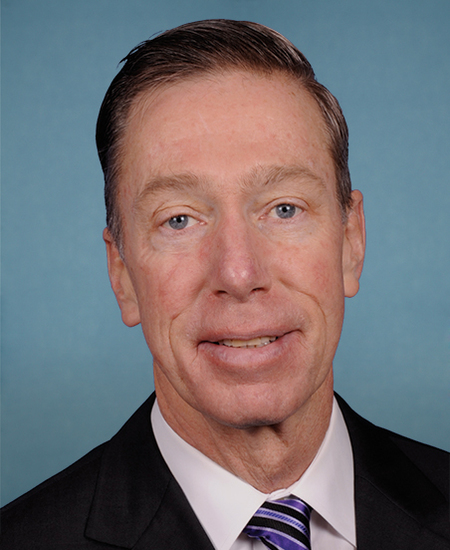
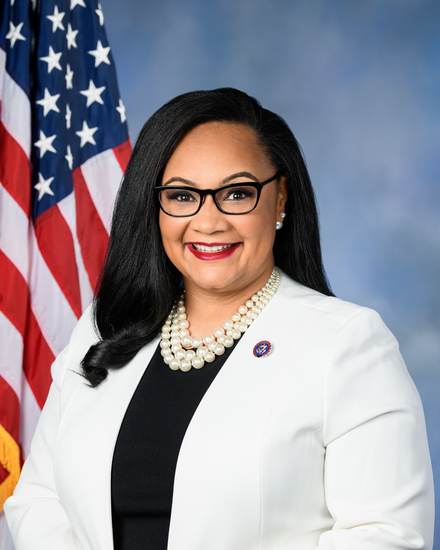
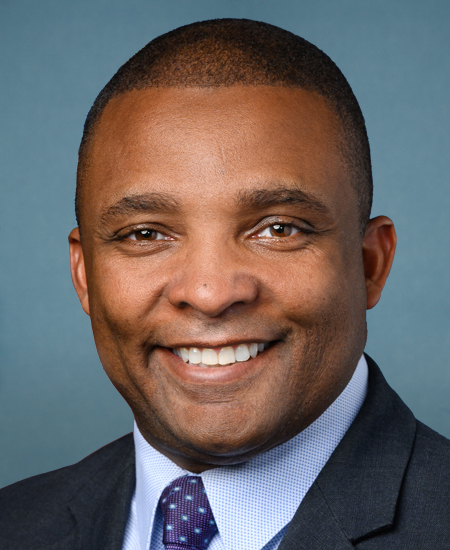
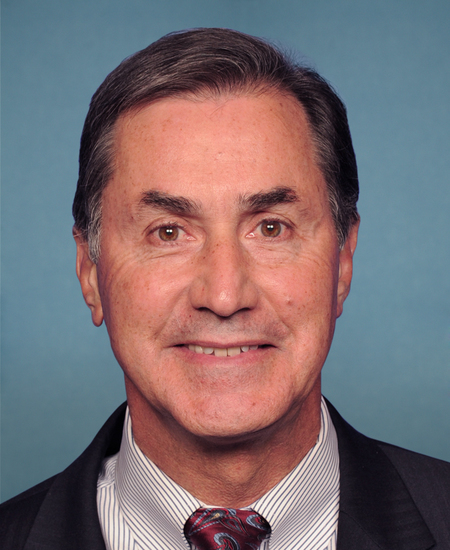
Last action · February 11, 2025: Referred to the House Committee on Energy and Commerce.Sponsors: Jim Costa and 98 others
Track this bill to get notified when it advances a stage. One tap to stop, anytime.
What This Bill Would Do
This bill proposes a new federal initiative to coordinate epilepsy research, diagnosis, and treatment across government agencies. It would establish a national plan and an advisory council to improve care, reduce health disparities, and track progress in managing the condition.
The bill mandates that the Secretary of Health and Human Services create a unified federal strategy to address epilepsy, which currently affects over 3.4 million Americans and costs the healthcare system more than $54 billion annually.
Who It Would Affect
Groups the bill's text would affect if enacted, as described in the record. Being affected is not a position for or against it.
Individuals living with epilepsy
The bill aims to improve diagnosis, treatment, and care coordination for this group.
Federal health agencies (NIH, CDC, FDA, etc.)
These agencies are required to participate in the Advisory Council and coordinate their research and services under the National Plan.
Epilepsy caregivers
The bill mandates that the National Plan and Advisory Council consider the impact of epilepsy on caregivers and include them in advisory roles.
Key Facts
- The bill requires the Secretary of Health and Human Services to create and maintain a 'National Plan for Epilepsy' to prevent, diagnose, treat, and cure the disorder.
- An 'Advisory Council on Epilepsy Research, Care, and Services' will be established to advise the Secretary.
- The Advisory Council must include representatives from the NIH, CMS, CDC, FDA, HRSA, Department of Defense, and Department of Veterans Affairs.
- The Advisory Council must also include 13 non-federal members, including people living with epilepsy, caregivers, health care providers, researchers, and nonprofit representatives.
Show all 10 facts
- The Advisory Council is required to meet at least once per quarter, with all meetings open to the public.
- The Secretary must conduct an annual assessment of the nation's progress in addressing epilepsy, starting no later than 2 years after enactment.
- The Advisory Council must submit a report to Congress and the Secretary every 2 years, starting 18 months after enactment, evaluating federal efforts and recommending priority actions.
- The bill notes that epilepsy affects approximately 3,000,000 adults and 456,000 children in the U.S.
- The bill states that 32% of adults with epilepsy are unable to work and 53% of those with uncontrolled seizures live in households earning less than $25,000 per year.
- The bill cites annual healthcare costs associated with epilepsy as exceeding $54 billion.
Frequently Asked Questions
What is the goal of the National Plan for Epilepsy?
Who will be on the Advisory Council?
Will the public be able to see what the Advisory Council is doing?
What else do you want to know?
News Coverage
Follow the record
Votes, people, money & the original sourceWhere This Stands
Currently in committee. The next step in the legislative lifecycle is Floor Vote.
Procedural history
2 actions- Feb 11, 2025HouseCommitteeReferred to the House Committee on Energy and Commerce.
- Feb 11, 2025HouseIntroducedIntroduced in House
Version history
Only one version on file - nothing to compare yet. As later stages (committee substitute, engrossed, enrolled) are captured, the redline appears here.
View official text →Full breakdown
Who this bill affects and the strongest case for and against it, written only from the bill’s own text.
Sponsors

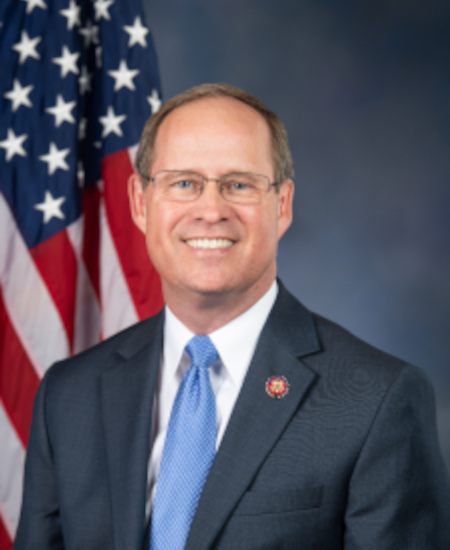

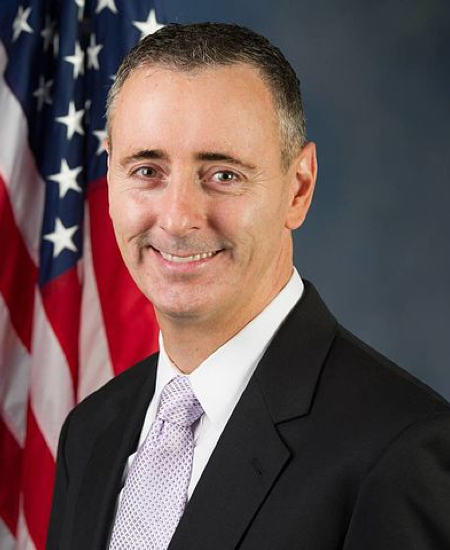

Show 94 more sponsors

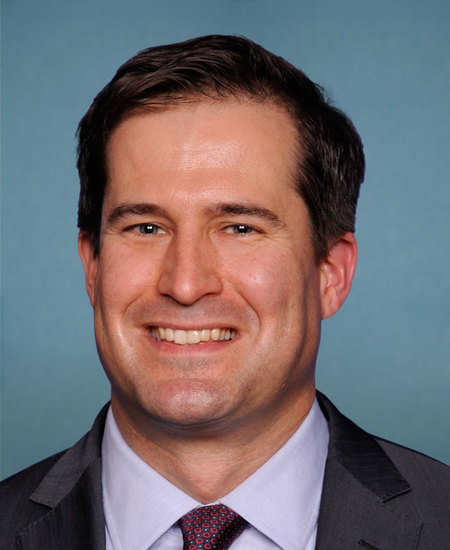
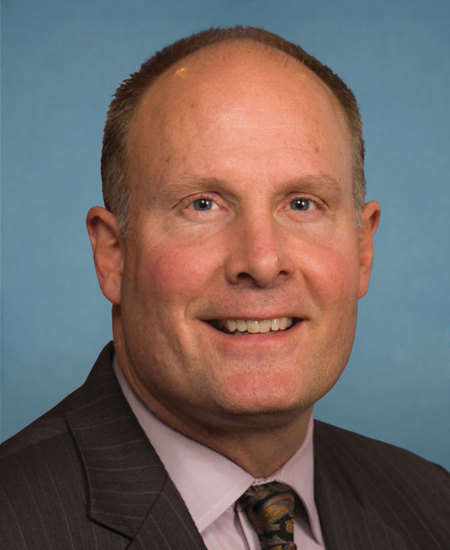








































Discoveries
Patterns POLISCOPE noticed across the record. These are observations to investigate, not conclusions.
Centralized Federal Coordination
The bill marks a shift toward formalizing cross-agency collaboration for epilepsy, specifically mandating that the Department of Defense and VA work alongside civilian health agencies.
Connected Entities
Sources
www.congress.gov
Analysis Score
0–100- Significance65How much this matters to a regular citizen
- Controversy10Intensity of disagreement among stakeholders
- Entertainment5Compellingness for a non-policy-wonk reader
- Buzz20Current news / social attention level
Publisher tools