
The civic record
Read. Follow. Verify.Strengthening Educator Workforce Data Act
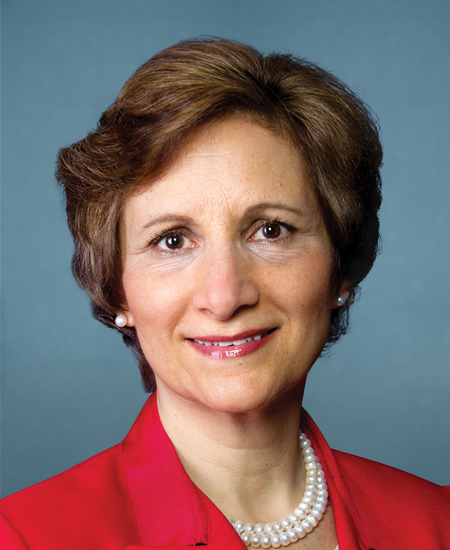
Last action · April 30, 2026: Referred to the House Committee on Education and Workforce.Sponsors: Eric Sorensen and 1 other
Track this bill to get notified when it advances a stage. One tap to stop, anytime.
What This Bill Would Do
This bill requires the U.S. Department of Education to collect and publish detailed data on the experience levels, certification status, and demographics of teachers and principals in public schools. The goal is to improve federal civil rights data collection by tracking workforce trends across race, ethnicity, and sex.
Public school districts will be required to report new, granular data on their staff's experience and certification levels to the federal government, which will then be published online for public review.
Who It Would Affect
Groups the bill's text would affect if enacted, as described in the record. Being affected is not a position for or against it.
Local educational agencies
They are required to collect and submit the specified workforce data to the Department of Education.
Public school teachers and principals
Their professional experience and certification data will be aggregated and reported to the federal government.
Department of Education
Key Facts
- Requires the Department of Education to collect and publish data on the experience, certification, and demographics of public school teachers and principals.
- Mandates that principal data include total count, median years of experience, and experience broken into five specific categories (ranging from <1 year to 15+ years).
- Mandates that teacher data include total count, median years of experience (in six categories), and certification status.
- Requires reporting on the number of teachers who meet state licensing requirements in specific subjects: Mathematics, Science, English as a second language, and Special education.
Show all 8 facts
- Requires all collected data to be disaggregated and cross-tabulated by race, ethnicity, and sex.
- Directs the Assistant Secretary for Civil Rights to publish a special report on the educator workforce after each data collection cycle.
- Requires the Department to make all underlying data publicly accessible on the Office for Civil Rights website.
- Mandates coordination with the Chief Privacy Officer to ensure individual teacher and principal information remains confidential.
Frequently Asked Questions
Will my personal information as a teacher be made public?
What specific subjects are schools required to report on regarding teacher certification?
Where will this data be available?
What else do you want to know?
News Coverage
Dept. of Education Investigates Women’s College for Admitting Trans-Identifying Men
The U.S. Department of Education is investigating Smith College to determine if its admission of transgender-identifying students violates Title IX, which prohibits sex discrimination at schools receiving federal funding. The investigation focuses on whether the college's policies regarding single-sex spaces and admissions align with federal definitions of biological sex.
Ed. Dept. Dismissed 90% of Discrimination Cases, Report Says
A government audit found that the Department of Education closed 90% of discrimination complaints without a full investigation. Additionally, a failed attempt to cut staff in the department's civil rights office cost taxpayers up to $38 million in legal and administrative expenses.
Bias ratings based on AllSides / Media Bias/Fact Check
Follow the record
Votes, people, money & the original sourceWhere This Stands
Currently in committee. The next step in the legislative lifecycle is Floor Vote.
Procedural history
2 actions- Apr 30, 2026HouseCommitteeReferred to the House Committee on Education and Workforce.
- Apr 30, 2026HouseIntroducedIntroduced in House
Version history
Only one version on file - nothing to compare yet. As later stages (committee substitute, engrossed, enrolled) are captured, the redline appears here.
View official text →Lobbying Activity
AARP
2026
“P.L. 119-21, One Big Beautiful Bill Act H.R. 8867, Planning for Long-term Aging Needs (PLAN) Act H.R. 5861, Legacy Act of 2025 H.R. 9393, the Lower Costs, More Transparency Act. H.R. 9396, the Prior Authorization Accountability Act. S. 4916, the Aging with Artificial Intelligence Act. H.R. 8100, Safe Staffing Saves Lives Act. S. 3886, Nurses Belong in Nursing Homes Act. H.R. 6766/S. 3492, the Essential Caregivers Act of 2025. H.R. 7966/S. 4118, Hospice Care Accountability, Reform, and Enforcement (Hospice CARE) Act. S. 2120, the Older Americans Act Reauthorization Act of 2025 H.R. 5575, the Firefighters Assisting Seniors to Emergency Response (FASTER) Act of 2025. H.R. 3954/S. 4641, Improving Access to Medicare Coverage Act. H.R.5554/S.2831, Stand Strong for Medicare Act. S. 3439/H.R. 6735, Connecting Caregivers to Medicare Act and efforts related to the bill S. 1227/H.R. 2491, Alleviating Barriers for Caregivers Act S. 668/H.R. 3183, Supporting Access to Falls Education and Prevention and Strengthening Training Efforts and Promoting Safety Initiatives (SAFE STEPS) for Veterans Act of 2025 CMS-1851-P, Hospice Proposed rule. CMS-1843-P, Skilled Nursing Facility Proposed rule. CMS-1844-P, Home Health Proposed rule. No bill number. Health care transparency. No bill number. Discussed use of artificial intelligence and health data technology. No bill number. Discussed health-related policies and activities around the fall respiratory virus season. No bill number. Discussed health insurance affordability proposals. No bill number. Discussed Nursing Home staffing standards, safety, and quality. No bill number. Discussed Nursing home transparency and ownership requirements. No bill number. Discussed home health, hospice, and long-term care. No bill number. Discussed falls prevention. No bill number. Discussed social isolation. No bill number. Discussed HUD Assisted Living Requirements No bill number. Discussed family caregiving. No bill number. Discussed AARP paper on Medicare Caregiver Training Services. No bill number. Discussed Medicaid community engagement interim final rule, including the family caregiver exemption. No bill number. Discussed the paid direct care workforce in long-term care. No bill number. Discussed the unaffordability of long-term care. No bill number. Discussed Money Follows the Person Rebalancing Demonstration Program and Medicaid HCBS spousal impoverishment protections. No bill number. Discussed Medicaid fraud and family caregivers, Medicaid self-direction programs. No bill number. Discussed sandwich generation family caregiver hearing and submitted a statement for the record discussing family caregivers and sandwich generation caregivers, programs that support them, AARP caregiving resources, and federal policies to support sandwich generation caregivers and caregivers more broadly. No bill number. Discussed long-term care. No bill number. CMS-2453-NC; Medicaid Program; 2028 Medicaid Home and Community-Based Services Quality Measure Set Submitted comments No bill number. Discussed expanding access to home care. No bill number. Discussed the increasing cost of home care No bill number. Discussed HSA use for telehealth chronic care management services/subscriptions. No bill number. Discussed artificial intelligence and technology”
Full breakdown
Who this bill affects and the strongest case for and against it, written only from the bill’s own text.
Sponsors

Discoveries
Patterns POLISCOPE noticed across the record. These are observations to investigate, not conclusions.
Expansion of Civil Rights Data Collection
The bill shifts the focus of existing civil rights data collection from primarily student-centered metrics to include detailed workforce-centered metrics.
Connected Entities
Sources
www.congress.gov
Analysis Score
0–100- Significance65How much this matters to a regular citizen
- Controversy20Intensity of disagreement among stakeholders
- Entertainment5Compellingness for a non-policy-wonk reader
- Buzz15Current news / social attention level
Publisher tools