
The civic record
Read. Follow. Verify.Maryland expands voting rights to incarcerated felons and creates a state-run voter hotline
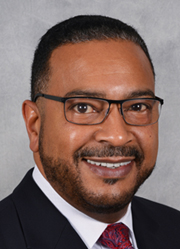
Last action · February 9, 2026: Hearing 2/11 at 2:00 p.m.Sponsor: Anthony Muse
Track this bill to get notified when it advances a stage. One tap to stop, anytime.
What This Bill Would Do
Maryland allows individuals serving a felony sentence to register and vote, establishes a toll-free voter hotline for incarcerated individuals, and repeals felony disenfranchisement laws effective January 1, 2027.
Changes voter eligibility rules for individuals serving felony prison sentences and requires state correctional facilities to provide access to election information and a voting rights hotline starting in 2027.
Who It Would Affect
Groups the bill's text would affect if enacted, as described in the record. Being affected is not a position for or against it.
Incarcerated individuals
Gain eligibility to register to vote while serving prison sentences and receive access to a dedicated toll-free voter hotline.
State Board of Elections
Must establish and administer a toll-free voter hotline and update voter registration qualifications and reporting lists.
Department of Public Safety and Correctional Services
Must collaborate with the State Board of Elections to adopt regulations for administering the voter hotline within facilities.
Key Facts
- The State Board of Elections must provide a toll-free voter hotline for incarcerated individuals to receive voting information, request materials, and report rights violations.
- The State Board must adopt regulations for the hotline in collaboration with the Department of Public Safety and Correctional Services and correctional facilities.
- Statutory provisions rendering it a felony to vote while serving a felony prison sentence are repealed.
- Requirements for circuit court clerks and District Court administrative clerks to report individuals convicted of felonies to the State Administrator are removed.
Show all 6 facts
- Arrangements between the State Administrator and the U.S. District Court for the District of Maryland to receive felony conviction reports are repealed.
- The Act takes effect on January 1, 2027.
Frequently Asked Questions
Who is newly eligible to register to vote under this bill?
What services will the new voter hotline provide to incarcerated individuals?
What else do you want to know?
News Coverage
Follow the record
Votes, people, money & the original sourceWhere This Stands
Currently filed. The next step in the legislative lifecycle is Committee.
Procedural history
5 actions- Feb 9, 2026SenateHearing 2/11 at 2:00 p.m.
- Feb 9, 2026SenateHearing canceled
- Jan 16, 2026SenateHearing 2/11 at 1:00 p.m.
- Jan 14, 2026SenateIntroducedFirst Reading Education, Energy, and the Environment
- Oct 30, 2025SenateIntroducedPre-filed
Version history
Only one version on file - nothing to compare yet. As later stages (committee substitute, engrossed, enrolled) are captured, the redline appears here.
View official text →Lobbying Activity
No state lobbying filings in our records match this bill. Federal lobbying reports (LDA) cover Congress, so they are not listed on state bills.
Full breakdown
Who this bill affects and the strongest case for and against it, written only from the bill’s own text.
Sponsors
Discoveries
Patterns POLISCOPE noticed across the record. These are observations to investigate, not conclusions.
Repeal of Felony Disenfranchisement
The bill completely removes the restriction preventing individuals serving felony prison sentences from registering to vote and repeals criminal penalties for voting while incarcerated.
Sources
mgaleg.maryland.gov
Analysis Score
0–100- Significance85How much this matters to a regular citizen
- Controversy80Intensity of disagreement among stakeholders
- Entertainment10Compellingness for a non-policy-wonk reader
- Buzz60Current news / social attention level
Publisher tools