
POLISCOPE

The public record

MANATEE COUNTY SCHOOLS · LOCALDecisions published

School Board Workshop

Tuesday, September 1, 2026 · School board meeting record

The 30-second read

AI summary

What the board considered

The Manatee County School Board reviewed internal audit reports for payroll and maintenance work orders, evaluated fiscal year 2026 investment performance, and discussed 2027 legislative priorities. The board also reviewed upcoming short-term financing resolutions, proposed school safety policy updates, and construction updates for Rangeland High School and Bayshore High School.

Why it matters

School district residents and taxpayers gain insight into how maintenance work orders are tracked, where bond interest and public funds are invested, and what capital projects—such as the Bayshore High School Career Technical Education expansion—are moving toward board consideration.

What happens next

No later meeting or follow-up date is stated in the reviewed record.
An official outcome record - an action agenda or minutes - is published for this meeting.

Captured actions

25

Recorded outcomes

0

Source artifacts

4

School district

People and votes

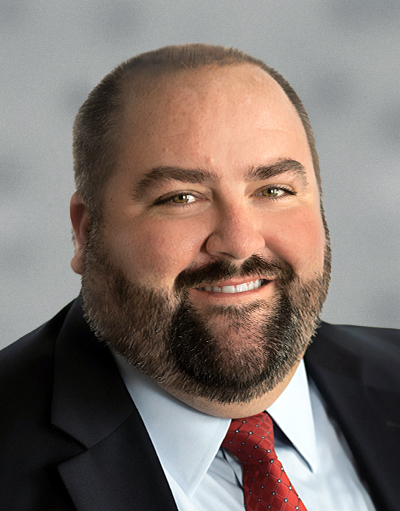
Chad Choate III

School Board Member

Present at this meeting

Open person dossier

The reviewed record lists this person as present but does not attribute a motion, statement, or individual vote to them.

Record text

No transcript is held for this meeting. Recording: Watch video

Page 1 Minutes September 1, 2026 Workshop - 10:00 AM Manatee County School District 215 Manatee Avenue West Bradenton, FL 34205 www.manateeschools.net Times Indicated Are Approximate 1) CALL TO ORDER Attendee Name Status Dr. Laurie Breslin, Superintendent Willie Clark, Deputy Superintendent of Operations Derek Jensen, Deputy Superintendent of Instructional Services Rachel Sellers, Deputy Superintendent of Business Services Kevin Chapman, Associate Superintendent Cindy Spray, Chairman Richard Tatem, Vice-Chairman Heather Felton, Board Member Charles Kennedy, Board Member Chad Choate, Board Member Stephen Dye, Board Attorney Present Chair Spray called the Workshop to order at 10:00 AM. 2) AGENDA AMENDMENTS 3) PUBLIC COMMENTS 4) WORKSHOP 4.1. Citizen Financial Audit Committee Update Mr. James Daniel, Citizens Financial Audit Committee (CFAC) Chairman, introduced Ms. Ava Doraisamy, and Mr. Jack Huges from RSM to provide the following RSM Internal Audit Reports: • Payroll and Compensation • Maintenance Work Orders Mr. Daniel and Mr. Hughes presented the complete payroll audit and noted zero reportable observations or instances of non-compliance. RSM issued one Process Improvement Opportunity (PIO) to further automate manual verification for employee status changes and supplemental pay following summer onboarding of Metaformers. RSM presented the Maintenance Work Orders Audit and provided five observations. Observations included three high risk and two moderate risk items regarding manual paper work-order processing, the absence of formal digital Standard Operating Procedures (SOPs), unautomated HVAC/roofing warranty tracking, and query calculation errors that misallocated work order costs.

Page 2 The Board requested clarification regarding the five observations. Additional information regarding the Maintenance Work Order system was provided by Mr. Willie Clark, Deputy Superintendent of Operations, and Regina Thoma, Executive Director of Operations, and Superintendent Breslin. The Board asked questions and held discussion regarding the Audit Reports. 4.2 Annual Investment Report Fiscal Year Ending 2026 Ms. Rachel Sellers, Deputy Superintendent of Business Services, introduced Mr. Dominick Cristofaro and Mr. John Scott, Deep Blue Investment Advisors, to provide an overview regarding the Investment Report for the Fiscal Year ending 2026. Included in the presentation were the following topics: Current Market Conditions -Interest Rates – Federal Reserves, Upcoming FOMC Meeting, US Treasury Curve -Federal Reserve – Rate Cut / Hike Expectations, Labor Market, Inflation/Growth -Yield Curve Steepening, Long Term Yields Investment Summary -Investments, Bonds, Investment ratings Portfolio Statistics -Investments, Bond Proceeds Characteristics – Portfolio Allocations -Asset Allocation Compliance Characteristics – Portfolio Allocations - COPS 2023A Accounts -Asset Allocation Compliance Characteristics – Portfolio Allocations - COPS 2025A Accounts -Asset Allocation Compliance Characteristics – Portfolio Allocations - COPS 2026A Accounts -Asset Allocation Compliance The Board asked questions and held discussions. After an inquiry from Vice-Chair Tatem, Superintendent Breslin and Deputy Superintendent Sellers confirmed that the policy regarding investments is strictly followed and brought to the Board whenever statute statutes update. Following an inquiry made by Board Member Felton, Ms. Sellers stated that Bond proceed interest is legally restricted to the capital fund. 4.3 (Previously 4.4) Discuss SDMC’s 2027 Legislative Priorities | Sunrise Consulting Mr. Kevin Chapman, Associate Superintendent, introduced Shawn Foster and Dr. Danielle Thomas from Sunrise Consulting to provide an overview and progress report regarding the Legislative Priorities. Included in the presentation were the following topics: Sessions at an Overview • Special Sessions • State Budget • SB 182 – Education • SB 538 – Extracurricular Activities • HB 1073 – School Districts (School Board Members’ Bill of Rights) • HB 1279 – Education • SB 178 – Athletics in Public Schools K-12 Schools • HB 757 – School Safety • HB 145 – Claims Against the Government (Sovereign Immunity)

Page 3 • Manatee County Schools Appropriations • Soaring Forward: Soar in 4 Lab Expansion • Florida Financial Outlook • Platform Development – Protect, Change, Invest The Board asked questions and held discussions regarding the Legislative Priorities and the changes that came through the State Senate and House. Consensus was reached to submit a specific state appropriations request to construct and equip a Career Technical Education (CTE) / Workforce Development building at Bayshore High School for automotive and building construction programs, among other programs. The Board streamlined the Manatee County District Platform and requested Mr. Chapman add a cover letter to acknowledge and approve of the Florida School Board Association (FSBA) and Greater Florida Consortium of School Boards (GFCSB) Priority Lists. 4.4 (Previously 4.3) Overview of Financing for Fiscal Year 2026-2027 Ms. Rachel Sellers, Deputy Superintendent of Business Services, introduced Ms. Laura Howe, PFM presented the following topics regarding financing 2026-2027: • Municipal Market Conditions • Tax Anticipation Loan (TANs) – Projected short-term financing allows the District to pay operating expenses prior to receiving tax revenue. • Tax Anticipation Notes, Series 2026 – Overview • Refunding • Refunding Candidate: Sales Tax Revenue Bonds, Series 2017 • Proposed Board Consideration on October 6, 2026 After discussion, the Board agreed to bring the financing resolutions forward to adoption at the October 6, 2026 meeting. Chair Spray called a recess at 12:53 PM and reconvened the meeting at 1:30 PM. 4.5 Board Discussion of 2027 Greater Florida Consortium and FSBA Legislative Priorities Mr. Kevin Chapman, Associate Superintendent, guided the discussion of the Board to create the SBMC Legislative Priorities. Using the 2025/2026 priorities list, the board created the draft of 2026-2027 Legislative Priorities. The Board held discussion, removed items and discussed adding additional items. The final legislative priorities list will come to the Board meeting for approval. 4.6 Discussion Regarding the Amendment of School Board Policies, Including New Policy Mr. Kevin Chapman, Associate Superintendent, introduced Mr. Steven Chronis, Threat Management Coordinator, to provide an update regarding changes to policy 8405 School Safety and Security. Changes to Policy 8405 were made in accordance with changes and updates to Florida State Law. New Policy 5111.03, *Children and Youth in Foster Care*, was introduced by District Foster Care Liaison Susan Goodwin and Director of Federal Programs and Grants Latrina Signleton. The policy establishes protocols to promote educational stability for students in foster care. Chair Spray and the Board expressed their appreciation to district staff for creating formal support systems for foster care youth. 4.7 Rangeland High School and Bayshore High School Construction Updates

Page 4 Chair Spray introduced Mr. Reginald Goff, Director of Capital Projects, to begin the presentation regarding Rangeland High School. Also in attendance for the presentation were Aaron Jacobson, Principal, Schenkel Shultz and Mr. Zachary McClary, Project Executive, Gilbane Building Company. Included in the presentation were the following topics: Rangeland High School Construction Update • Department of Construction Services o Square Footage o Student Station Capacity • Scope of Work • Schedule of Project The Board asked questions and held discussion surrounding the traffic, turn lanes and transportation at Rangeland High School and the surrounding Premier Sports Boulevard to manage traffic queueing. Ms. Sharon Scarbrough, Executive Director of High Schools, introduced Founding Principal Dustin Dahlquist, to present the instructional information regarding Rangeland High School. • Academic and Elective Program Offerings o Broad Academic Core o Cambridge AICE o Advanced Placement Courses o Dual Enrollment through State University System o Elective Offerings o Full US Army JROTC Program o Career and Technical (CTE) Course including  Agriculture  Advance Learning Tech  Business, Marketing & Entrepreneurship  Health and Wellness o Competitive Athletic Teams o Comprehensive Extracurricular Programming • Shaping the Rangeland Identity - Insights from the 2026 Community Survey o Community Responses o Focus on Excellence, Innovation, and Leadership o Mascot Survey Results – Lead Survey Winner “Gators” o Proposed Identity At the conclusion of the Rangeland High School presentation, Mr. Reginald Goff, Director of Capital Projects, Mr. Scott Cooper, Principal of Bayshore High School, and Dr. Jodi Kirk, Director of Manatee Technical College, provided a construction and education update regarding the Bayshore expansion. Bayshore High School Construction Update • A portrait of Bayshore High School • Dual Enrollment (DE) and MTC • Programs offered o Master Automotive Services Technology 1 o Building Construction Technologies o Landscape and Turf Management o Early Childhood Education (ECE)

Page 5 o Adult Education (ESOL/GED) • MTC West Expansion – Open to Adults and DE • Programs offered o Adult Education o Landscape and Turf Management o Early Childhood Education (ECE) o Health Sciences/Nursing • Key Benefits • BHS/MTC West Dual Enrollment Center Department of Construction Services of Bashore HVAC Renovation and CTE Addition • Architect • Construction Manager • Project Budget • Funding Source • Proposed Schedule • Scope of Work • Project Director Chair Spray and Dr. Kirk confirmed that the facility will feature two separate secure access points to separate High School dual enrollment students from adult MTC students. The Board held discussion regarding Bayshore High and MTC expansion. Board Member Kennedy left the meeting at 3:58pm. ADJOURNMENT Chair Spray adjourned the Workshop at 4:07 PM. ______________________________ Cindy Spray Chairman NOTICE Any person who desires to appeal any decision made by the School Board with respect to any matter considered at the above-mentioned meeting will need a record of the proceedings, and for such purpose may need to ensure that a verbatim record of the proceedings is made, which record includes the testimony and evidence upon which an appeal may be based. School Board meetings are held in accessible locations. Auxiliary aids will be provided, upon written request received at least 48 hours prior to the meeting, to participants with disabilities.

1. CALL TO ORDER 2. AGENDA AMENDMENTS 3. PUBLIC COMMENTS Public comment is not an open forum to discuss matters unrelated to education, to support or oppose candidates for public office, or to engage in commercial speech attempting to sell a service or product to the School Board or public. Also, public comment is not a forum to attack individual school system employees or Board Members. Any such complaints should be submitted in writing to the Superintendent for appropriate handling. Finally, this is not a forum for addressing issues involving individual students. Because of privacy concerns, such issues should be submitted in writing to the Superintendent for appropriate handling. Each speaker is allowed three minutes to address the Board. Speakers must stand at the podium and not approach the dais. This is a business meeting of the School Board and the public expects that we conduct it in an orderly, efficient, effective and dignified manner. We request that speakers keep this in mind when making your comments. We also request that the audience keep that in mind and not demonstrate approval or disapproval of what a speaker has said by clapping or booing. The Board appreciates the public's input and will listen attentively, consider each comment, and usually will not respond, enter into debate, or answer questions during comments on agenda items or during the public comments section. PUBLIC INPUT INSTRUCTIONS: 1. Before you begin speaking, please provide any handouts to the Agency Clerk. 2. Please identify yourself only by your full name for the record. 3. You have no more than three minutes to speak. Please stop speaking when the bell rings. 4. Florida Law requires all citizens to conduct themselves in an orderly fashion at public meetings. 5 . WARNING: Any individual who interferes with the expeditious or orderly process of a School Board meeting, will be subject to removal from the meeting pursuant to Section 1001.372(3) Florida Statutes at the discretion of the Chair. Orderly fashion is deemed as, at a minimum (1) no profanity (2) no vulgar language (3) no discourteous, disrespectful, or disparaging conduct. 4. WORKSHOP 1. Citizen Financial Audit Committee Update 2. Annual Investment Report Fiscal Year Ending June 30, 2026 Agenda September 1, 2026 School Board of Manatee County Workshop - 10:00 AM Walter Miller School Support Center Board Room Times Indicated are Approximate 1

3. Overview of Financing for Fiscal Year 2026-2027 4. Discuss SDMC's 2027 Legislative Priorities | Sunrise Consulting Presentation 5. Board Discussion of 2027 Greater Florida Consortium and FSBA Legislative Priorities 6. Discussion Regarding the Amendment of School Board Policies, Including New Board Policies 7. Rangeland High School and Bayshore High School Construction Update 5. ADJOURNMENT 2

Showing the first 24,000 of 182,709 characters. The full document is at the source.

1. CALL TO ORDER 2. AGENDA AMENDMENTS 3. PUBLIC COMMENTS Public comment is not an open forum to discuss matters unrelated to education, to support or oppose candidates for public office, or to engage in commercial speech attempting to sell a service or product to the School Board or public. Also, public comment is not a forum to attack individual school system employees or Board Members. Any such complaints should be submitted in writing to the Superintendent for appropriate handling. Finally, this is not a forum for addressing issues involving individual students. Because of privacy concerns, such issues should be submitted in writing to the Superintendent for appropriate handling. Each speaker is allowed three minutes to address the Board. Speakers must stand at the podium and not approach the dais. This is a business meeting of the School Board and the public expects that we conduct it in an orderly, efficient, effective and dignified manner. We request that speakers keep this in mind when making your comments. We also request that the audience keep that in mind and not demonstrate approval or disapproval of what a speaker has said by clapping or booing. The Board appreciates the public's input and will listen attentively, consider each comment, and usually will not respond, enter into debate, or answer questions during comments on agenda items or during the public comments section. PUBLIC INPUT INSTRUCTIONS: 1. Before you begin speaking, please provide any handouts to the Agency Clerk. 2. Please identify yourself only by your full name for the record. 3. You have no more than three minutes to speak. Please stop speaking when the bell rings. 4. Florida Law requires all citizens to conduct themselves in an orderly fashion at public meetings. 5 . WARNING: Any individual who interferes with the expeditious or orderly process of a School Board meeting, will be subject to removal from the meeting pursuant to Section 1001.372(3) Florida Statutes at the discretion of the Chair. Orderly fashion is deemed as, at a minimum (1) no profanity (2) no vulgar language (3) no discourteous, disrespectful, or disparaging conduct. 4. WORKSHOP 1. Citizen Financial Audit Committee Update 2. Annual Investment Report Fiscal Year Ending June 30, 2026 Agenda September 1, 2026 School Board of Manatee County Workshop - 10:00 AM Walter Miller School Support Center Board Room Times Indicated are Approximate 1

3. Overview of Financing for Fiscal Year 2026-2027 4. Discuss SDMC's 2027 Legislative Priorities | Sunrise Consulting Presentation 5. Board Discussion of 2027 Greater Florida Consortium and FSBA Legislative Priorities 6. Discussion Regarding the Amendment of School Board Policies, Including New Board Policies 7. Rangeland High School and Bayshore High School Construction Update 5. ADJOURNMENT 2

AGENDA ITEM NO. 4.1 School Board of Manatee County September 1, 2026 - Workshop Title Citizen Financial Audit Committee Update Executive Summary Mr. James Daniel, Chair of the Citizen Financial Audit Committee, will provide an update to the Board regarding recent and upcoming reports and audits. Ava Doraisamy and John Hughes of RSM, the District's Internal Auditors, will be presenting the results of the following Internal Audits: 1. Payroll and Compensation Internal Audit Report for the period of July 1, 2025 through January 31, 2026. 2. Maintenance Work Orders Internal Audit Report for the period of July 1, 2024 through April 9, 2026. Contact Submitted by: School Board Attachments: RSM Internal Audit Report - Payroll and Compensation FY 2026 RSM Internal Audit Report - Maintenance Work Orders FY 2026 3

Internal Audit Report: Payroll and Compensation School District of Manatee County, Florida June 22, 2026 4

Internal Audit: Payroll and Compensation Report Date: June 22, 2026 T ABLE OF CONTENTS Transmittal Letter ....................................................................................................................................................................................................1 Executive Summary ................................................................................................................................................................................................2 Background .............................................................................................................................................................................................................4 Objectives and Approach......................................................................................................................................................................................13 Observations Matrix ..............................................................................................................................................................................................15 5

Internal Audit: Payroll and Compensation Report Date: June 22, 2026 1 © 2026 RSM US LLP. All Rights Reserved. T RANSMITTAL LETTER June 22, 2026 The School Board of School District of Manatee County, Florida 215 Manatee Ave. W Bradenton, Florida 34205 Pursuant to our executed Statement of Work agreement dated March 14, 2025, with the School District of Manatee County (“the District”, “SDMC”), we hereby present our internal audit report of payroll and compensation. Our report is organized in the following sections: Executive Summary This provides a high-level overview and summary of the observations noted in our internal audit of the payroll and compensation process(es). Background This provides an overview of the function, as well as relevant background information. Objectives and Approach The internal audit objectives are expanded upon in this section, as well as a summation of the various phases of our approach. Observations Matrix This section includes a description of the observations noted during our review and recommended actions, as well as Management’s response, including the responsible party, and estimated completion date. We would like to thank the staff and all those involved in assisting our firm with this internal audit. Respectfully Submitted, RSM US LLP 6

Internal Audit: Payroll and Compensation Report Date: June 22, 2026 2 © 2026 RSM US LLP. All Rights Reserved. Summary of Observation Ratings (See page 3 for risk rating definitions) High Moderate Low Observations - - - Process Improvement Opportunity 1 EXECUTIVE SUMMARY Background The District’s payroll and compensation function operates within the Business Services Department and serves as a central point of disbursement of funds to approximately 7,030 employees, various taxing authorities, retirement systems, and third-party benefit providers. Payroll and compensation represents the single largest component of the District's operating expenditures, totaling approximately $440 million or 58.8% of the General Fund for fiscal year 2025-2026, making this function a critical part of District operations. The District processes payroll on a biweekly basis across 26 pay periods and 18 pay calendars, administered through the PeopleSoft Enterprise Resource Planning (“ERP”) system. Employee compensation is governed by Board-approved salary schedules, collective bargaining agreements with the Manatee Education Association ("MEA") and the American Federation of State, County, and Municipal Employees ("AFSCME"), and individual employment contracts spanning six (6) compensation groups: Teachers, Paraprofessionals, Non-Instructional Support Staff, School- Based Administrators, Salaried, Administrative, Managerial, and Professional employees (“SAMP”) and non-bargaining hourly employees. The District provides a comprehensive benefits program to eligible employees, including three (3) self-insured medical plan options, dental, vision, life insurance, disability coverage, and retirement through the Florida Retirement System ("FRS"). Benefits eligibility is determined by bargaining unit affiliation and weekly hours worked. Administration of the payroll and compensation function requires coordination across the Payroll Department (“Payroll”), Benefits, Human Resources Department, individual school sites, and District departments. Overall Summary / Highlights Internal audits provide insight into an organization’s culture, policies, and procedures and aids the Board and Management in oversight by verifying internal controls are operating effectively, and adequately mitigating risk, and are compliant with relevant laws, regulations and policies. The observations detailed in the following pages represent only the instances where exceptions were noted, and do not detail the instances where testing resulted in no reportable observations. For each observation, we discuss the relevant risks, which may include financial, operational, and/or compliance, as well as public perception risks. Objectives and Scope The objective of this internal audit was to evaluate the design and control structure of the payroll and compensation functions. The scope of our work focused on assessing the operating effectiveness of key processes and controls that govern payroll accuracy, including benefits, timely tax remittances, deduction handling, compliance, and data integrity. Our fieldwork testing was conducted utilizing sampling and other audit techniques and was developed utilizing information obtained through interviews, walkthroughs, and review of source documentation. For a sample of ongoing or recently completed projects, our procedures included, but were not limited to: • Conducted interviews and walkthroughs with key personnel to obtain a detailed understanding of the District’s operating policies and procedures and roles/responsibilities as they relate to the processes within our scope. • Assessed the process related to employee salary approval, including salaries for new employees and salary adjustments for existing employees. • Assessed segregation of duties throughout the employee payroll setup process, payroll calculation and disbursement process, and reconciliation process. • Reviewed the monitoring and reporting processes related to payroll and compensation for adequacy. • Performed detailed testing over a sample of payroll transactions for compliance with District policies and procedures. • Reviewed payroll deductions for a sample of employees to confirm accurate calculation and proper authorization. We summarized our findings into this written report and conducted exit conferences with Management. The audit period was July 1, 2025 through January 31, 2026. Fieldwork was performed between April 2026 through June 2026. We would like to thank all District team members who assisted us throughout this internal audit. 7

Internal Audit: Payroll and Compensation Report Date: June 22, 2026 3 © 2026 RSM US LLP. All Rights Reserved. EXECUTIVE SUMMARY (CONTINUED ) Observations Summary No observations were identified during this internal audit. Definitions of the rating scale are included below. One (1) process improvement opportunities have been provided following the detailed observations section. Summary of Process Improvement Opportunities 0 B Process Improvement Opportunity 1. Manual Payroll and Compensation Procedures Risk Rating Definitions Provided below are the observation risk rating definitions for the detailed observations. Observation Risk Rating Definitions Rating Definition Low Observation presents a low risk (i.e., impact on financial statements, internal control environment, brand, or business operations) to the organization for the topic reviewed and/or is of low importance to business success/achievement of goals. Moderate Observation presents a moderate risk (i.e., impact on financial statements, internal control environment, brand, or business operations) to the organization for the topic reviewed and/or is of moderate importance to business success. Action should be in the near term. High Observation presents a high risk (i.e., impact on financial statements, internal control environment, brand, or business operations) to the organization for the topic reviewed and/or is of high importance to business success/achievement of goals. Action should be taken immediately. 8

Internal Audit: Payroll and Compensation Report Date: June 22, 2026 4 © 2026 RSM US LLP. All Rights Reserved. BACKGROUND Overview The District’s payroll and compensation function is responsible for the accurate and timely processing of employee compensation, including base salaries, hourly wages, stipends, supplements, benefits deductions, tax withholdings, and retirement contributions for all District personnel. The function operates within the Business Services Department, and serves as a central point of control over the disbursement of funds to employees, taxing authorities, retirement systems, and third-party benefit providers. Payroll and compensation represent the single largest component of the District's operating expenditures, making up $440 million, or 58.8%, of the District’s General Fund. During fiscal year 2024-2025, the District employed approximately 7,030 individuals spanning instructional, non-instructional, and administrative classifications across more than 50 District-operated school sites and support facilities. Employees are classified into several categories based on their role, bargaining unit affiliation, and contract type. The District's workforce includes teachers, paraprofessionals, school administrators, support staff, food service workers, custodial staff, maintenance personnel, and other specialized positions. Employees may be designated as regular or temporary as well as full-time or part-time, with standard work weeks ranging from as few as five hours per week to full time forty hour per week, in alignment with their position and classification. Employee compensation is governed by a combination of Board-approved salary schedules, collective bargaining agreements, and individual employment contracts. Each bargaining groups’ pay is determined by its respective salary schedule, which defines pay levels based on factors such as years of experience, educational attainment, and job classification. The District processes payroll on a biweekly basis, resulting in 26 pay periods per fiscal year, and maintains 18 different pay calendars to accommodate its diverse workforce of instructional, non-instructional, administrative, and technical personnel. Not every employee type receives 26 pay stubs, and Payroll is responsible for administering timely payment for each pay group and pay calendar. Payroll is administered through the District's PeopleSoft Enterprise Resource Planning ("ERP") system, which serves as the system of record for employee master data, compensation, benefits enrollment, timekeeping, and payroll disbursement. Instructional staff receive benefits deductions across 22 of the 26 pay periods, while non-instructional staff receive benefits deductions across 20 pay periods. Each pay cycle involves the system calculation and disbursement of gross to net pay, processing of direct deposit transactions, remittance of federal tax deposits to the Internal Revenue Service, submission of child support payments. A combination of pre-payroll and post-payroll reports are performed to verify the accuracy of the system- generated calculations. On a monthly basis, Payroll prepares and submits retirement contribution files and corresponding payments to the Florida Retirement System ("FRS"), including reconciliation of employee and employer contributions by plan code. The Department also submits required employment data to the U.S. Department of Labor Bureau of Labor Statistics each pay period. Key metrics of payroll administration within the District are highlighted in the graphic below: 9

Internal Audit: Payroll and Compensation Report Date: June 22, 2026 5 © 2026 RSM US LLP. All Rights Reserved. BACKGROUND (C ONTINUED) Compensation Structure The District's compensation framework is organized around six (6) distinct compensation groups, each governed by its own salary (pay) schedule, collective bargaining agreement, or Board-approved payment plan. Each agreement, schedule, or payment plan dictates how base pay is established, how employees advance through pay steps, and what supplemental compensation employees within that respective pay group are eligible for. Collective bargaining group pay schedules are negotiated and adopted annually by the School Board and are administered through the PeopleSoft ERP system. Teachers (Instructional Bargaining Unit) Teachers represent the largest compensation group and are governed by the Manatee Education Association ("MEA") collective bargaining agreement. Teacher compensation is based on the Teacher Performance Hiring Salary Schedule, which establishes pay levels according to years of creditable experience and degree level. Teachers may also receive additional compensation through supplements for coaching, activity sponsorship, advanced degrees, and other Board-approved assignments. Paraprofessionals Also represented by the MEA, paraprofessionals are compensated under a separate hourly salary schedule. Paraprofessional positions include teacher aides, teacher assistants, computer lab managers, and similar instructional support roles. Pay is determined by classification and step, with advancement tied to years of service. Non-Instructional Support Staff Represented by the American Federation of State, County, and Municipal Employees ("AFSCME") Local 1584, payment for this group is currently governed by a contract through fiscal years 2023 through 2026. The AFSCME bargaining unit includes custodians, food service workers, school bus drivers, bus monitors and aides, warehouse workers, maintenance trades, vehicle mechanics, grounds staff, and electronics technicians. Compensation is based on an hourly salary schedule organized by pay grade and step, with 12-month employees working a 253-day year. The AFSCME contract provides for shift differentials, supplemental pay for employees assigned higher paid responsibilities for 15 or more consecutive workdays, longevity supplements, and certification based supplements for vehicle maintenance technicians. The salary schedule is negotiated annually with no presumption of status quo regarding step advancement. School-Based Administrators Principals, assistant principals, and deans, are compensated under the School Administrator Pay Schedule and, for certain legacy positions, the Grandfathered Assistant Principal Schedule. These schedules are Board-approved and define pay based on the administrator's assigned school level (elementary, middle, or high school), experience, and position. They do not fall within a collective bargaining unit. Supervisory, Administrative, Managerial, and Professional ("SAMP") SAMP employees do not fall within a collective bargaining agreement, and are compensated via four (4) separate Board-approved salary schedules based on their work year: Schedule A (10-month), Schedule B (10.5-month) Schedule C (11-month), and Schedule D (12-month). Each schedule is organized by pay grade (ranging from Grade 01 through Grade 13 or higher) and step (up to 32 steps), with placement determined by the employee's position classification, experience, and qualifications. SAMP positions include department directors, coordinators, specialists, analysts, and other administrative or professional roles. 10

Internal Audit: Payroll and Compensation Report Date: June 22, 2026 6 © 2026 RSM US LLP. All Rights Reserved. BACKGROUND (C ONTINUED) Compensation Structure (Continued) Non-Bargaining Hourly Non-Bargaining employees are compensated per a separate hourly pay schedule for positions that fall outside both collective bargaining units and the SAMP classification. These positions are typically part-time or specialized roles with pay determined by grade and step, similar in structure to the AFSCME schedule but governed solely by Board policy rather than a negotiated contract. Payroll Processing The District processes payroll on a biweekly cycle, with each cycle governed by a structured sequence of pre-payroll activities, system-based calculations, disbursement, and post-payroll remittances and reporting. Payroll is responsible for administering this cycle across a total of 26 annual pay periods, serving all District-operated schools, departments, and support facilities. All payroll transactions are initiated, calculated, and recorded within the District's PeopleSoft ERP system. Typically, payroll processes are initiated on a Monday, unless holidays or District closures necessitate a later processing date. This is intended to allow timekeeping procedures to be completed the Friday prior, and two to three days of payroll processing before payments are remitted on the Friday following of payroll processing weeks. Pre-Payroll Activities Each payroll cycle begins with the submission of time, attendance, and absence data by school sites and departments in accordance with deadlines published in the District's biweekly pay period calendar. Salaried employees, including instructional staff, are paid based on their annual contract amount divided across applicable pay periods, while hourly employees are paid based on actual hours entered and approved by their supervisors. Payroll is responsible for reviewing and processing personnel actions that affect compensation in advance of each pay run. These actions may include the addition of new hires, rehires, employee transfers, leaves of absence, employee returns from leave, position changes, and terminations, as applicable. For new hires and rehires, Payroll specialists verify that the employee's position data, pay rate, and contract terms have been entered correctly in PeopleSoft by the Human Resources Department and that all required documentation has been received and scanned into a Scrib document management system. Scrib is the system where source documentation is stored and retrieved to support payroll processing and audit trail requirements. Payroll staff verify that required documents have been received and scanned into Scrib and use the system to review and validate employee data—such as position details, pay rates, and contract terms—against information recorded in the enterprise system prior to payroll processing. For employees returning from leave or transferring between positions, Payroll confirms the effective date and coordinates with Human Resources to verify any changes to the employee's compensation, benefits eligibility, or FTE status. Changes to employee compensation, including salary adjustments, reclassifications, step advancements, and supplement assignments, are initiated by the Human Resources Department and reviewed by Payroll prior to processing. Payroll verifies the effective date of each change and, for salaried employees, and a payroll specialist performs manual calculations to determine the adjusted per-pay-period amount based on the employee's annual contract, remaining pay periods, and any retroactive adjustments. These adjustments must be reviewed and approved by a payroll manager to take effect. Contract payment calculations are verified against the applicable salary schedule and governing collective bargaining agreement or Board approved pay plan. All compensation changes and supporting documentation are filed in the employee's payroll record. 11

Internal Audit: Payroll and Compensation Report Date: June 22, 2026 7 © 2026 RSM US LLP. All Rights Reserved. BACKGROUND (C ONTINUED) Payroll Processing (Continued) Payroll Calculation and Disbursement Once all pre-payroll data has been entered and verified, Payroll initiates the system-based payroll run within PeopleSoft. The system computes gross-to- net pay for each employee, applying all applicable deductions including federal income tax withholdings, FICA or FICA alternative contributions, Florida R

Showing the first 24,000 of 281,328 characters. The full document is at the source.

>> can't just >> Good morning, everyone. Welcome to our SEPTEMBER. Already, SEPTEMBER first 2026 school board workshop. We have a lot on our agenda today. I have no public comment sign up that I'm aware of. And that's ok. So we will go right on to item number 4 on the agenda. 4.1 is the Citizens Financial Audit Committee and we have MISTER Daniels with us, the chair of that committee with cell phone. I will turn it over to you all. >> Good morning, MADAM. CHAIRMAN Members. I understand you've got a very full agenda. So we're gonna try to move right We've been. Within 2 days of our next meeting from the last meeting we've had so this basically tell you, we're going win over the report that you're going to hear from Rsm about and recommend your approval of them. We are looking it some other things as far as the plan for the rest of the year, there got letters put together will be reviewing on Thursday. That as the individual engagement letter for each of the programs, we're going to go into. They'll talk about that likely. Just to tell you what's there. We're going to be hopefully hearing on the status of the JUNE 30th audit from purpose. Gray. And then see what we can do to help move that long. Other than that, we'll be talking about that recurring issue of. Post reviews and trying to have some type organized protocol to follow up on those. We've been going back and forth just put some timelines in place. If you that's what we'll be there. Probably going to involve if it hits a certain length out. We're going to ask the superintendent or her representatives to come tell you about it. You just keep because it from what I've seen in my years here now it's going out that long are usually a good reason. But we need to hear from them. With that. I'm going to be quiet. I want to introduce Jack and they're going to take over. She's going to step over here and take Yeah, Well, it certainly makes you want >> Hello, everyone. I you again. Good morning to Good Okay. So like Jim just mentioned will be walking through the 2 reports today. Payroll in compensation and maintenance. These 2 reports are the final internal audit engagement for fiscal year. 26. So at the conclusion of today, our next steps are to start focusing on what comes next. And all briefly mentioned after Jack walking through payroll, which I'll bring up onto the screen and I'll hand it over to Jack. >> Perfect. Good morning, everyone. Good morning the microphone is working. So start with our payroll in compensation, internal audit put upon them. >> We can place or in the background checks on all this. And know that As an operational audit, we do provide a background section. Each of our reports have backgrounds intended let the reader understand in a little bit more depth. The complexities nature. >> The overall processes that are involved in the payroll in compensation procedures here at the district. It's informational. It's intended to provide a little bit of background to the actual internal audit port. In terms of what did we do? We did a number of things as it relates to the evaluation of the design and effectiveness of some of those processes. In the intro controlled environment, we looked at the process is related to employee salary approval, including challenge for both new employees and salary adjustments for existing employees. We looked at the monitoring and reporting processes related to payroll and compensation. We did detailed testing on a temple, 60 transactions across 30 distinct employees that included both hourly and salaried employees. We looked at the supporting documentation agreeing to to source documents reconciling act. The system reviewing actual payments made over time. And we also look at statements and supplements across much as well. You'll know we did not have any reportable observations as it relates to this report across our testing. So wonderful story to be able to tell their. We did have one process improvement opportunity. The district has really incorporated a lot of automation and system capabilities as it relates the payroll function. There was a new vendor brought in to support the people staff system over the summer. With that new vendor coming in, maybe some fresh eyes on the system. We know it's been around for a while and there's been a lot of work that's gone into it. We feel that there MAY be an opportunity to continue to enhance that automation environment across the system. Our process improvement opportunity talks about the currently performed manually procedures of validating employee changes verification of supplemental pay. It is worth management consideration. Should the resources and time be available explore that automation in those final remaining manual pieces. But overall, very pleased with the results, a testament to management's commitment to very structured controlled process. There. Any questions is really it's up here on compensation. Either pass our scope of work or the results. I don't see new outrageous. Had someone up in here see who wants >> MR. Tatum. >> Thank you for your work. I'm not sure who could maybe this question. But you know, systems out there are products that you recommend to us to help all it. These. Processes that you're concerned about being done manually. >> I one of the reasons we categorize it as a process improvement opportunities and there's nothing inherently wrong with how things are being done those capabilities. MAY be k possibility within the existing system. There was certainly have to be integration with the people soft And so I don't necessarily off the top my head. I have an example of a specific product, but I can certainly value 8, some of those options and see if we have examples of what has been used automate some of those processes across our other clients are around the state. Off the top my head. I'm not sure it's something that's commonly done. So I think the district would be an industry leader in that full automation. If it's possible. >> Rose and thoughts on automating some of of I know I make human. There's only a little quick and at home in and the thing we can automate. Any thoughts on the yet? >> No, I agree any time that you Take out the chance for human error. Not only that, just the savings of time with your staff putting in annually would be a benefit. The payroll team has already started to look at this. They received this. So anything they're able to. Take away from the manual and plant. It's something they might be able to do. I know is as you all recall, we have a new service provider that we brought in starting this summer. And so some of those process improvements have been in conversation with anything as important as payroll, which is probably the most important thing that we do on a regular basis. We would want to practice something before we roll it out. Full scam. So that'll be a part of them. The procedures. I right in saying that you had conversations about this and yeah, and what we would be looking at the cost effectiveness to deceive but would be implemented. >> Like some of these things annual their unique compensation strategies. You Mike MAY be extra pay for duty. That kind of a thing. That's not something that's then already formulated into the system integrated into the system already. So we would look at at the benefits of being able to figure out how and the need to be able to. Create that modification to see if it. Fit within that priorities or like he had said the manual might be the more cost effective or efficient use of time. But will that we're definitely looking into that because it would. But if this, if it's Adam and you still have to check, it's automated, that kind of a thing, any improvement in the efficiency of time. But the labor is definitely beneficial. >> Understand all those things come with a cost the cost benefit analysis. Okay. Great. Thank you looking So I. >> Just from my experience in peril from. Time. Cards being punched, dot clock. And that's the truth to counting every hour to the quarter. Our to the U.S. Some even to the. Hour. We've come a long way and the payroll I don't think that we ever go to 100% automated. There's just no way just from emergencies that come up people need to take off. Leave of absence or or sickness or family issue. There's just no way you could ever on a mate payroll 100%. So I would never expect that there's always going to be a job in payroll adjustments that have to be done manually. You just can't scan your badge and say here just my time I believe that capability of doing that wouldn't be an option either sell. We can get as automated as we want. But there's always going to be a human behind the same fixing those even automated errors. So I I commend what we do right now. It's gone a long way from when I first started paying attention peril. Probably 8 years ago, 10 years ago to where we are now. So I. I think whatever they found very minimal. The was. 6, 8, years ago. So anyway, thank you. I just wanted to put that in MR. Kennedy. >> Get real Quick. Thank you, MADAM Chair. Just want to follow up on superintendent presence comment just as a reminder that we did switch providers to metaphor over the summer. And just anecdotally, I thank the board for making that going through that process and making that change approved change just anecdotally tickets are getting turned around faster. You know, just the whole the whole process is moving a lot clearer. And MADAM Chair, to your point with. The number of employees, we have the number of employee calendars we you know, hopefully in an upcoming meeting here will be approving the. The the contracts for ar Perez and things like that have to be gone in and you it's as you said, it's just not words. Probably never going to the full automation, but but we're definitely closer now than we were a year ago. So I should say where. Things are running a lot smoother than they were a year ago. So that's a step in the right direction. And that's a credit to the team up there. >> And your point, if I can dialogue every year. There's always the bargaining and the changes to the scales and all that nation can under that. If just now wait a little different. Details are a little different. Can take that number. Flip it all the way across The system, the somebody else to put that number in there as Anyway, I commend the payroll department for all of the the hours some headaches, I'm to get through this cycle. So we appreciate you. The maintenance, perfect. That concludes our hearing. Competition report next will be our maintenance work orders. >> Report. Figure book. >> Once U.S. Looks like it's working now to scroll down, then to the executive summary. >> Within the maintenance work order procedures, we evaluated a number of things. We look at the procedures for submitting authorizing work request district-wide, including evaluating which district personnel can initiate work. Order and what information is required actually create a work order and how that flows to system. We looked at the process for prioritizing in assigning were quarter. And so once it's been received, that information collected, how do we triage that the appropriate personnel to get something completed as quickly and that sufficiently as possible? Looked at the utilization of the work order system, internal performance monitoring. So what metrics are holding ourselves accountable to what our performance goals reporting is available to management. We perform detailed testing over a sample of work orders looking at compliance with district policies and procedures. And testing of sorts documents. The scene that bottom right hand corner. We did have 5 total observations, 3 high risk and to moderate risks. Those observations can be categorized across 2 primaries areas. The first is going to be the manual procedures that are performed and the effect that has on the efficiencies to the system. The second will be across the defined expectations. What is our performance standards? How are we documenting the expectations of various personnel district-wide? And Survation 1, 2, 3, really capture that system limitation. There's a lot of paper involved in the process whether collection of receipts, when we have to go out and buy materials for parts. Well, that it's the actual printing of the work order and in and it's information and handing it off to a technician to attach a clipboard in going to cite document their work orders, write things down. Lot of manual entry. That results delays. It MAY result in missing documents the occasional last receipt. And we saw that within our testing. The information that is within the system is relative 8 has incomplete or inaccurate as that information is being input into this system. What is collected if we're not writing something down on those people were quarters. It's not being manually input into the system as a system of record. As a result of that, we do see instances management's ability to monitor overall performance and service expectations is limited because the information just MAY not be there. The system itself doesn't have required fields. So if someone isn't real go-getter, you know, maybe we just MISS Something. It doesn't spit it back at you and say, hey, please make sure we complete everything so that we have it for future reference. That's in line with some of the expectations that we do currently have opportunity to continue to enhance the standard operating procedures. Observation details. These are things that we do. These are things that we expect from our personnel, but we MAY not have that written down as a standard operating procedure to hold ourselves accountable to. The final system capability that has opportunity. And we've seen successfully implemented at other districts is warranty management. Lot of institutional knowledge, a lot of expertise within the maintenance operation here at the district. What we're reliant on to monitor some of these warranties that maybe it's fine to before we go and replace a roof, replace an hvac system. We need to ask ourselves, is this under warranty? And typically that falls into supervisors expertise, I remember having replace. It's just a year ago. It should be under warranty. There's certainly capability to enhance the system to track those things and provide automated updates, whether that's in the preventative maintenance field. So maintaining a roof point. Do we know we need to inspect its a once a year? So having an automated reminder to go do that preventative maintenance to maintain that, won't he is a system capability again that we've seen implemented elsewhere, that the district, his yacht not yet implemented, but we believe we understand to be a capability of the current operating system. Now, those quick summary of all 5 observations. I know it is a packed agenda. Answer, any detailed questions that there MAY be. >> I am a network. Lee. First question. Is just to the superintendent. Some of the southern. He said already have received some of this. >> So >> before I ask any questions, I would ask. Is there anything that has already been started in correcting some of this before? I asked a couple of my questions. Absolutely. I mean, why repeat if you're going to say you're right, right, and thank you for that opportunity. >> And so when you look at the 5 noted findings, I would say that. >> First, we'll all of them could be solved if we had a stronger standard operating procedure, right? So I would say even though that is listed as moderate, it certainly drives this a whole process it needs to be a digital standard operating procedure. And so where we get lost is using an and I understand we have workers out in the fields using the paper because it's easier than dragging a device with you. But that takes away our ability to prioritize and to really track and better monitor all of our systems. So the team has already started working on a standard operating procedure. That is digital that would then contain information related to more intense. Well within that system. So we're not just relying on the knowledge that our people have. And we have a very skilled set of individuals who work on these teams. But we know that systems work better when they have that automated feature to him. And we've also are looking and our strategic plan for a kpi directly tied to this. That would go into Benchmark. 1004.2, an order to really allocate all of our resources effectively. We need to make sure that we're watching that as we do a great job and other systems that we have in the district of maintaining those work orders. I can tell you, Scott Hansen does not lead it. Computer get touched without a reporter and then he's able to tell us what happened. But the result was how many work orders are completed. And that's good data that we need to determine all all of our systems related to technology. And so using what we know is working in one department and transferring it over and training our teams is what I know. MR. Clarke and Missus are already working on to make this a better system. They are not happy. We're not happy with the results that we see here. And so the quest to make it better is already begun and we will make it better. >> One of the so obviously, you know, You answered a couple things for But the one question >> I had is and I know, look. >> Seems like a lot. This is obviously manual labor. Whatever. And I think the digit digital board, they have not patter something like that out there and going through and making sure there's like, you know, the Asterix says you have to fill this portion outright. Think we do all of, you know, with everything filling up. But other question obviously they're dealing with. >> a lot of >> were cornered me through what? >> You know, this system that we have. How how many schools? Devices, you know? I mean, thousands and thousands of different things going on. Guess my question is. And you MAY not in the of your head and that's fine. We staffed properly, right? They do. We do. We have the right making a mess in the right up enough. Staff is my I'm not in the right people say do we have enough? Because if one, you know, if there's if there's one leader that has all these technicians are needed to get a check, is that really even feasible? So I guess some of that and some of that in automation is going to help with that. There's no question. But that was really my question going to be. Do we feel like we're staff? They're appropriately. We need to have more help there. I know. No, we don't have enough technicians and things like that ever happened to outsource that out, right? Which is a whole nother because obviously can control process is when it's your own people, right? You so what amount of staff is what? But my question So I'm. >> Now this covered from 2024. Through, I think APRIL and 26 right. I can tell you that our staffing is stronger than in 2024, efforts have helped in that regard as to retaining our staff and filling those positions. It's still not where we wanted to be. We always are running in vacancies. And yes, that does contribute to the ability to properly track because we end up with weather is contracted worker an employee who stretched thinner than we would like them to be. Going to the manual work order just to quickly accomplish the task to provide what we need to to keep first rules moving forward. Has been the priority. And I appreciate that from the team. But now that our staffing is becoming a little bit more stabilized and we've been able to make adjustments and working through bargaining units to help raise our salaries to competitive level. Hopefully now we can get Digital procedure out there and works efficiently. No financial thing, MR. Kennedy. >> Thank Jack. I just want to be clear about the overall theme of this report is that those findings here or observations? Excuse me, there's Survation, but the nature of the observations is that we could do things more efficiently not that there was any kind of fiscal risk or equipment or money walking out the door. It was just we can be more efficient departments that correct? I would categorize as crack. Yeah. Absolutely. As an operational audit, we try and capture that. >> Continued progress. Continued efficiency development through our panic switch has our recommendations in there. We tried to lay out a road map for management to say this is how things can be prioritized as it relates to each of our recommendations as relates to efficiency, there's always going to be pass component to that. Whether it's labor, if it takes us 2 hours when it should take us one. There is an intrinsic pasta that but I I think we're talking in the nature this report more about how can we continue to make things better and build on the existing nation that we have right? Yeah, I you know, from been a while since district spent in this. In this posture. But, you know, people say, oh, and there's a there's a red observation on the report and to ps the for many years ago, people oh, my GOD, you know, we've got we've got to read the we've got a high risk observations. I just want to be clear, the nature of the nature of the risk. This is not this is not money or inventory. Walking out the door. >> This is just we can improve our process chair Yes, sir, I would. Say that the reason this is a high priority, MR. Kennedy is. Without the controls. You don't know whether you're being efficient or not. And without the data to be able to evaluate it. You don't know if you're using your staff efficiently and if you're hitting the right priorities need to be hit. You also when you are short of staff becomes even more critical to have that because those priorities don't go away. But if you've got only a certain number of bodies that can deal with it. The other thing that I picked up out of this is we're not tracking. Service requirements to maintain warranties. So if it's got an air conditioner that says we're supposed to maintain and do these procedures every 6 months and we're not. And it breaks you're looking at a very expensive proposition. And so the thing that we're talking about this and I've had a lot of experience in the maintenance and facilities area. We worried about things walking out the door. We worried about that and we're very satisfied that it's not happening. But at the same token with huge number of air conditioners, computers and everything that this district has. We've got to get better focused on what we're doing, how we're doing it and having a systematic plan. I can tell you even on my church, we've got 115 air conditioners. And putting chart together. This is when it was when the warranty was done and getting love doing that because we have a situation where this is huge and services. And it anybody trying to do anything wrong. But you just didn't have a system in place to keep So as funds become more. Scarce as we look certain propositions being voted on and the attitudes of some of the voters. We've got to be much more efficient and much more focused on. Are we getting everything we can out of it? And I would ask you to take that away from this more than anything else. It says its management it and it's not that you don't have good managers. It's like we don't have the particles in the system for them to and it's becoming the more we grow. More critical it becomes. Because year is really if you're If you're Hoping to have. Institutional memory. You lose that when somebody leaves. If it's not written down, it didn't happen. And a lot of stuff is not written down is not in the system is not law. Does not. And I would ask you take that away from I appreciate the heads up the perspective. Thank you. To MR. CHAIRMAN. Thank you for that perspective. My mic on. >> Here a couple nearby. So aircraft speaking of aircraft. I kind of disagree with you, MR. Kennedy and the >> if the faa came in and and w

All meeting actions

Published sources processed

25 meeting items captured from the published sources reviewed here, kept in source order.

Showing 12 of 25

Browse by category25 actions
  • Agenda item 4.1Other meeting itemsNo recorded outcome

    Citizen Financial Audit Committee Update

    Department: WORKSHOP

  • Meeting recordOther meeting itemsNo recorded outcome

    The board requested clarification regarding five observations in the maintenance work orders audit.

    The board requested clarification regarding maintenance work orders audit observations

    Department: WORKSHOP · Topics: education · Staff lead: Regina Thoma, Executive Director

  • Agenda item 4.2Budget and financeNo recorded outcome

    Officials presented an overview of the annual investment report for the fiscal year ending 2026.

    Officials presented the annual investment report for fiscal year ending 2026

    Department: WORKSHOP · Topics: education, budget

    Watch this item (1:16:46) From the publisher's agenda index.

  • Agenda item 4.3PresentationNo recorded outcome

    (Previously 4.4) Discuss SDMC’s 2027 Legislative Priorities | Sunrise Consulting

    Department: WORKSHOP · Topics: education

  • Meeting recordOther meeting itemsNo recorded outcome

    Discussion held regarding HB 1073 school districts bill of rights

    Department: WORKSHOP · Topics: education

  • Meeting recordOther meeting itemsNo recorded outcome

    Discussion held regarding SB 178 athletics in public schools

    Department: WORKSHOP · Topics: education

  • Meeting recordOther meeting itemsNo recorded outcome

    • HB 145 – Claims Against the Government (Sovereign Immunity)

    Department: WORKSHOP

  • Meeting recordOther meeting itemsNo recorded outcome

    • Soaring Forward: Soar in 4 Lab Expansion

    Department: WORKSHOP

  • Meeting recordDiscussionNo recorded outcome

    • Platform Development – Protect, Change, Invest

    Department: WORKSHOP · Topics: education, land use, local-government

  • Agenda item 4.4Budget and financeNo recorded outcome

    Financial advisors presented an overview of financing for fiscal year 2026-2027

    Department: WORKSHOP · Topics: education, budget

  • Meeting recordOther meeting itemsNo recorded outcome

    • Tax Anticipation Loan (TANs) – Projected short-term financing allows the District to pay operating

    Department: WORKSHOP

  • Meeting recordOther meeting itemsNo recorded outcome

    District reviewed an overview of tax anticipation notes series 2026

    Department: WORKSHOP

Sources and limits

Published sources used on this page

This meeting has been held, but no source-backed decision record is available yet. Agenda items remain proposals.

  • Low-grade, untyped, restricted, procedural, or superseded items remain in the complete agenda inventory rather than the board digest.

Canonical record: 9c196cb2c61b8c065368374da56ef5f0. This page changes as stronger artifacts are published; it never overwrites an agenda with minutes.

Publisher tools

Share or embed this record

POLISCOPE publisher tools

Share or embed this record