
The civic record
Read. Follow. Verify.New Mexico Enacts the Psychology Interjurisdictional Compact to Regulate Telehealth and Temporary Practice
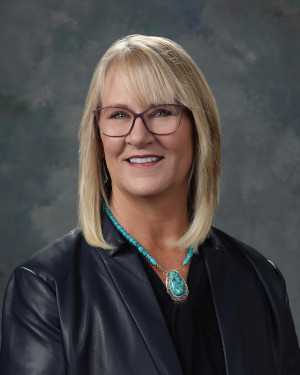
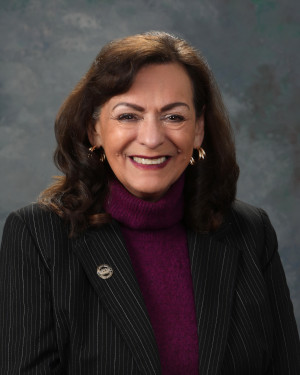
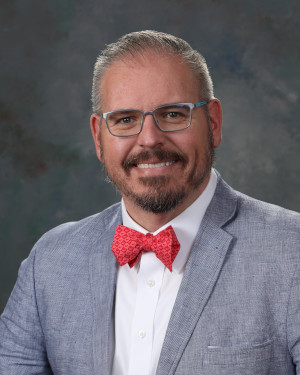
Last action · February 17, 2026: SHPAC: Reported by committee with Do Pass recommendation with amendment(s)Sponsors: Gail Armstrong and 8 others
Track this bill to get notified when it advances a stage. One tap to stop, anytime.
What This Bill Proposed
House Bill 33 enacts the Psychology Interjurisdictional Compact, establishing interstate standards for and temporary in-person psychological practice across participating states. The legislation authorizes out-of-state psychologists from compact states to practice in New Mexico, and New Mexico psychologists to practice in other compact states, under specific certification and regulatory conditions.
Licensed psychologists practicing across state lines must meet uniform education, background check, and credentialing criteria while remaining subject to the receiving state's scope of practice and disciplinary oversight.
- Interstate compacts are formal agreements between states enacted to coordinate regulation and cooperation across state lines on specific public policy issues. context
- The Psychology Interjurisdictional Compact (PSYPACT) is an interstate agreement designed to facilitate the practice of telepsychology and temporary in-person, face-to-face psychology across state boundaries. context
Who It Would Have Affected
Groups the bill's text would have affected, as described in the record. Being affected is not a position for or against it.
Licensed psychologists
Licensed psychologists gain the legal framework to practice telepsychology and temporary in-person care across compact state lines while becoming subject to uniform compact rules and commission oversight.
Psychology clients and patients
Clients and patients experience expanded access to professional psychological services delivered via telecommunications or temporary in-person visits.
State psychology regulatory authorities
State boards are granted statutory authority to issue subpoenas, enforce cease-and-desist orders, share disciplinary data through a centralized database, and participate in the Psychology Interjurisdictional Compact Commission.
Key Facts
You don't have to trust us. Each fact below is taken straight from the official document - click any one to see the exact passage, highlighted in the original.
Frequently Asked Questions
What is the primary goal of the Psychology Interjurisdictional Compact?
How long can a psychologist practice temporarily in another compact state in person?
What else do you want to know?
News Coverage
Follow the record
Votes, people, money & the original sourceWhere This Stands
This bill did not become law - Died at adjournment · passed the House · in Senate committee.
Procedural history
6 actions- Feb 17, 2026SenateSHPAC: Reported by committee with Do Pass recommendation with amendment(s)
- Feb 5, 2026SenateCommitteeSent to SHPAC - Referrals: SHPAC/SJC
- Feb 5, 2026HouseFloorPassed in the House of Representatives - Y:64 N:0
- Feb 3, 2026HouseHJC: Reported by committee with Do Not Pass but with a Do Pass recommendation on Committee Substitution
- Jan 21, 2026HouseHHHC: Reported by committee with Do Pass recommendation
- Jan 20, 2026HouseCommitteeSent to HHHC - Referrals: HHHC/HJC
Version history
Only one version on file - nothing to compare yet. As later stages (committee substitute, engrossed, enrolled) are captured, the redline appears here.
View official text →Lobbying Activity
No state lobbying filings in our records match this bill. Federal lobbying reports (LDA) cover Congress, so they are not listed on state bills.
Full breakdown
Who this bill affects and the strongest case for and against it, written only from the bill’s own text.
Sponsors




Discoveries
Patterns POLISCOPE noticed across the record. These are observations to investigate, not conclusions.
Interstate Professional Practice Framework
The legislation shifts professional psychology regulation from single-state licensing boundaries toward a multi-state mutual recognition model supported by a centralized commission and database.
Connected Entities
Sources
www.nmlegis.gov
Analysis Score
0–100- Significance20Lowered because this bill did not pass (its text scored 75)
- Controversy15Intensity of disagreement among stakeholders
- Entertainment5Compellingness for a non-policy-wonk reader
- Buzz30Current news / social attention level
Publisher tools