
The civic record
Read. Follow. Verify.South Dakota House Bill 1192 allows parole consideration for certain inmates serving life sentences
Last action · February 11, 2026: TabledSponsors: Heather Baxter and 6 others
Track this bill to get notified when it advances a stage. One tap to stop, anytime.
What This Bill Proposed
South Dakota House Bill 1192 permits consideration for inmates serving life sentences for offenses other than first-degree rape, provided they were between 18 and 26 years old at the time of the crime and have served at least 25 years. The measure requires the Board of Pardons and Paroles to conduct an initial hearing within six months of eligibility and applies retroactively to inmates sentenced before July 1, 2026.
Changes parole eligibility timelines for specific adult inmates sentenced to life imprisonment, establishing a statutory review process managed by the Board of Pardons and Paroles after 25 years of incarceration.
Who It Would Have Affected
Groups the bill's text would have affected, as described in the record. Being affected is not a position for or against it.
inmates sentenced to life imprisonment
Certain inmates serving life sentences who meet age and time-served criteria become eligible for discretionary parole consideration.
Board of Pardons and Paroles
The board is required to conduct initial and subsequent discretionary parole hearings and evaluate specified statutory factors for eligible inmates.
victims of the offense
Victims are permitted to provide statements for the board to consider during the discretionary parole determination process.
Key Facts
You don't have to trust us. Each fact below is taken straight from the official document - click any one to see the exact passage, highlighted in the original.
Frequently Asked Questions
Who is eligible for parole under House Bill 1192?
What factors does the Board of Pardons and Paroles consider during a hearing?
What happens if an inmate's request for parole is denied?
What else do you want to know?
News Coverage
Follow the record
Votes, people, money & the original sourceWhere This Stands
This bill did not become law - Tabled in the House.
Procedural history
3 actions- Feb 11, 2026HouseTabled
- Feb 11, 2026HouseScheduled for hearing
- Jan 29, 2026HouseIntroducedFirst read in House and referred to
Version history
Only one version on file - nothing to compare yet. As later stages (committee substitute, engrossed, enrolled) are captured, the redline appears here.
View official text →Lobbying Activity
No state lobbying filings in our records match this bill. Federal lobbying reports (LDA) cover Congress, so they are not listed on state bills.
Full breakdown
Who this bill affects and the strongest case for and against it, written only from the bill’s own text.
Sponsors
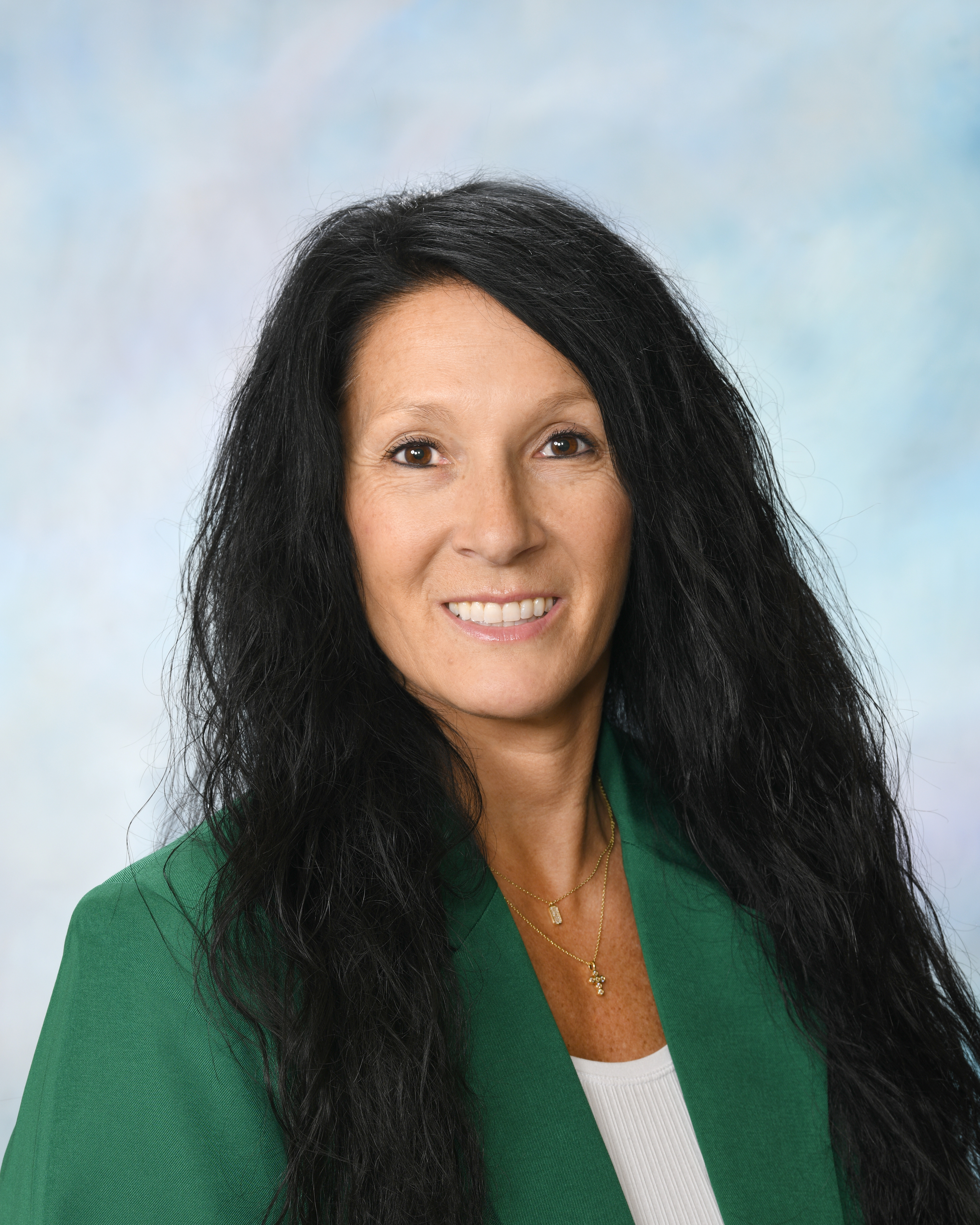
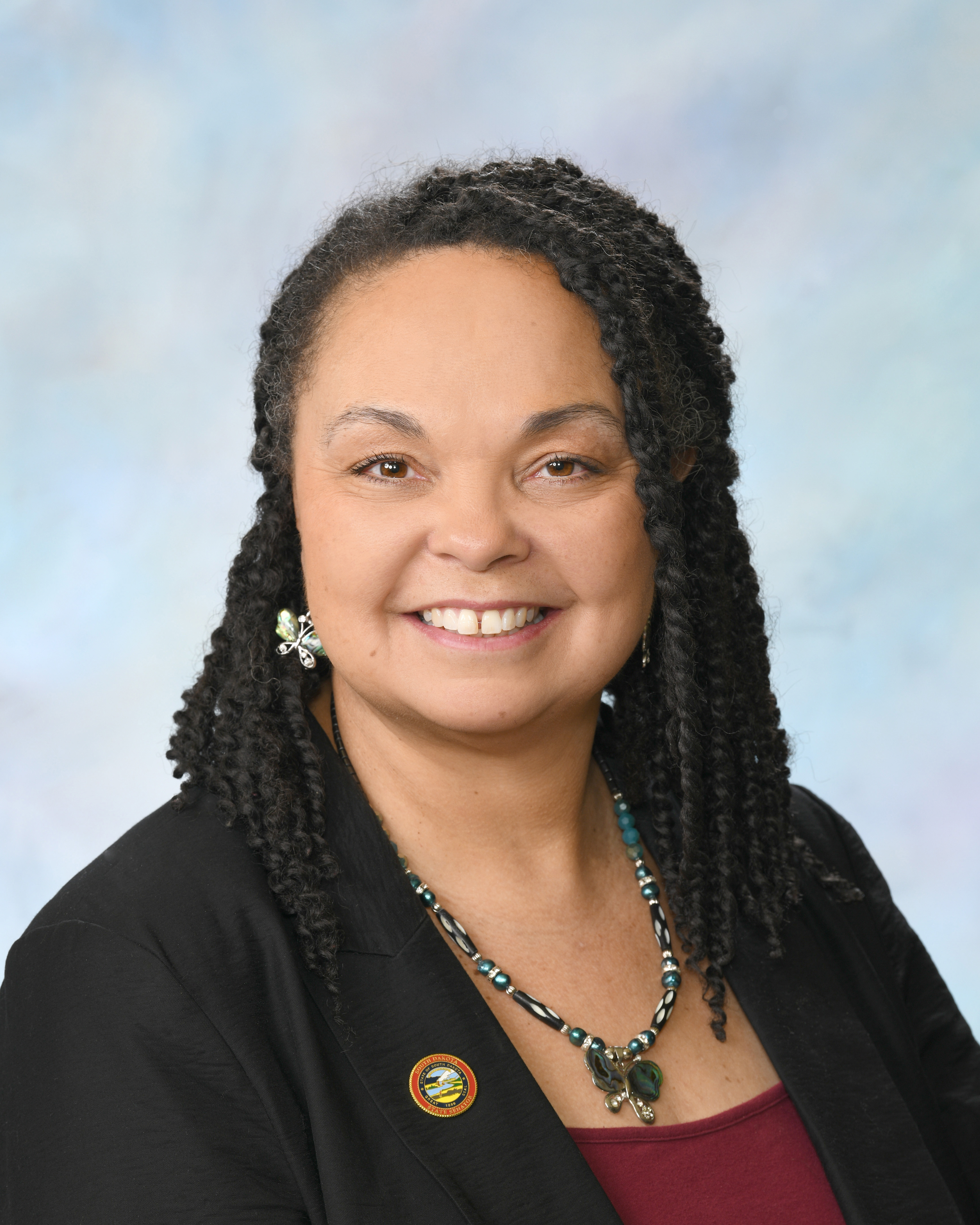
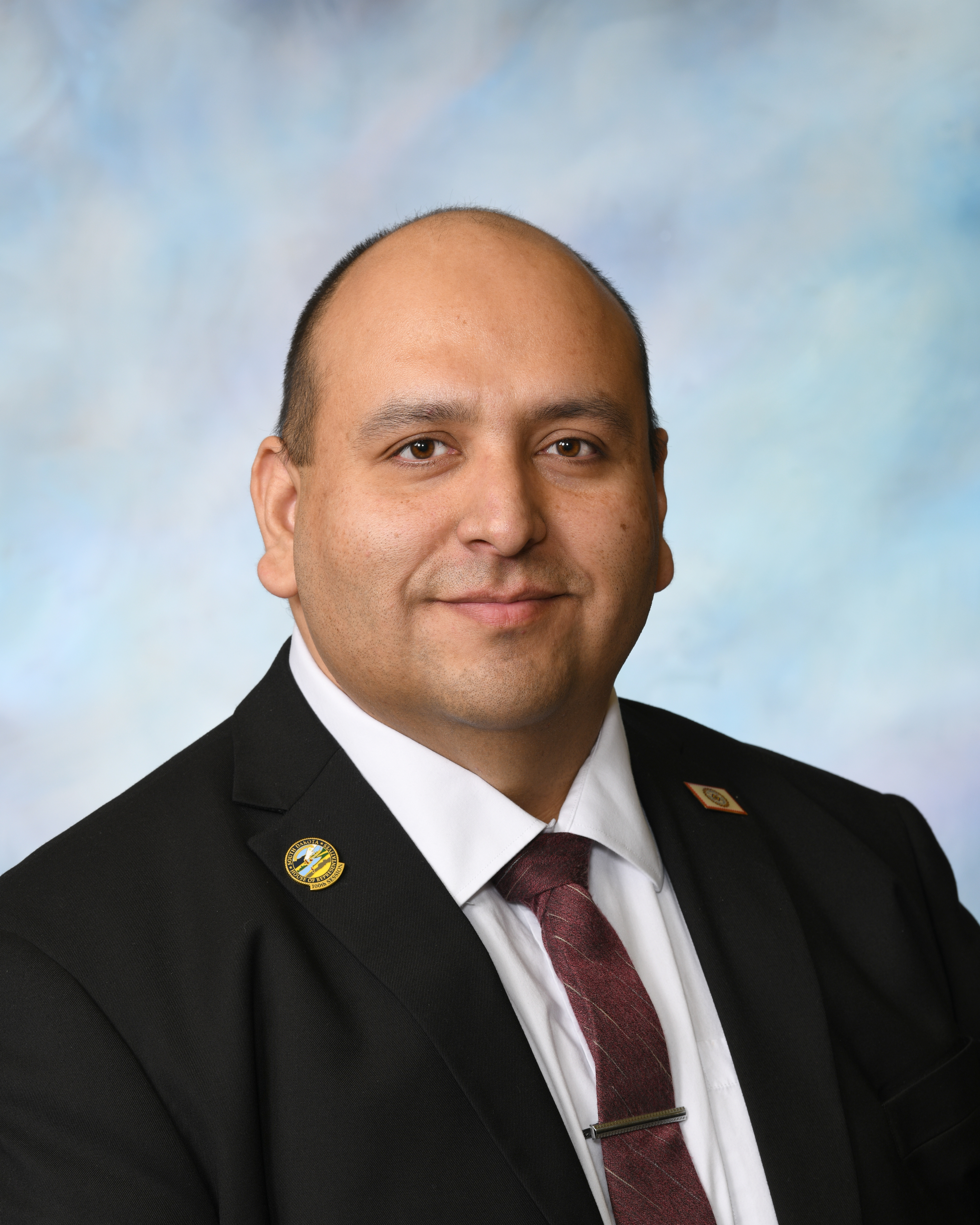
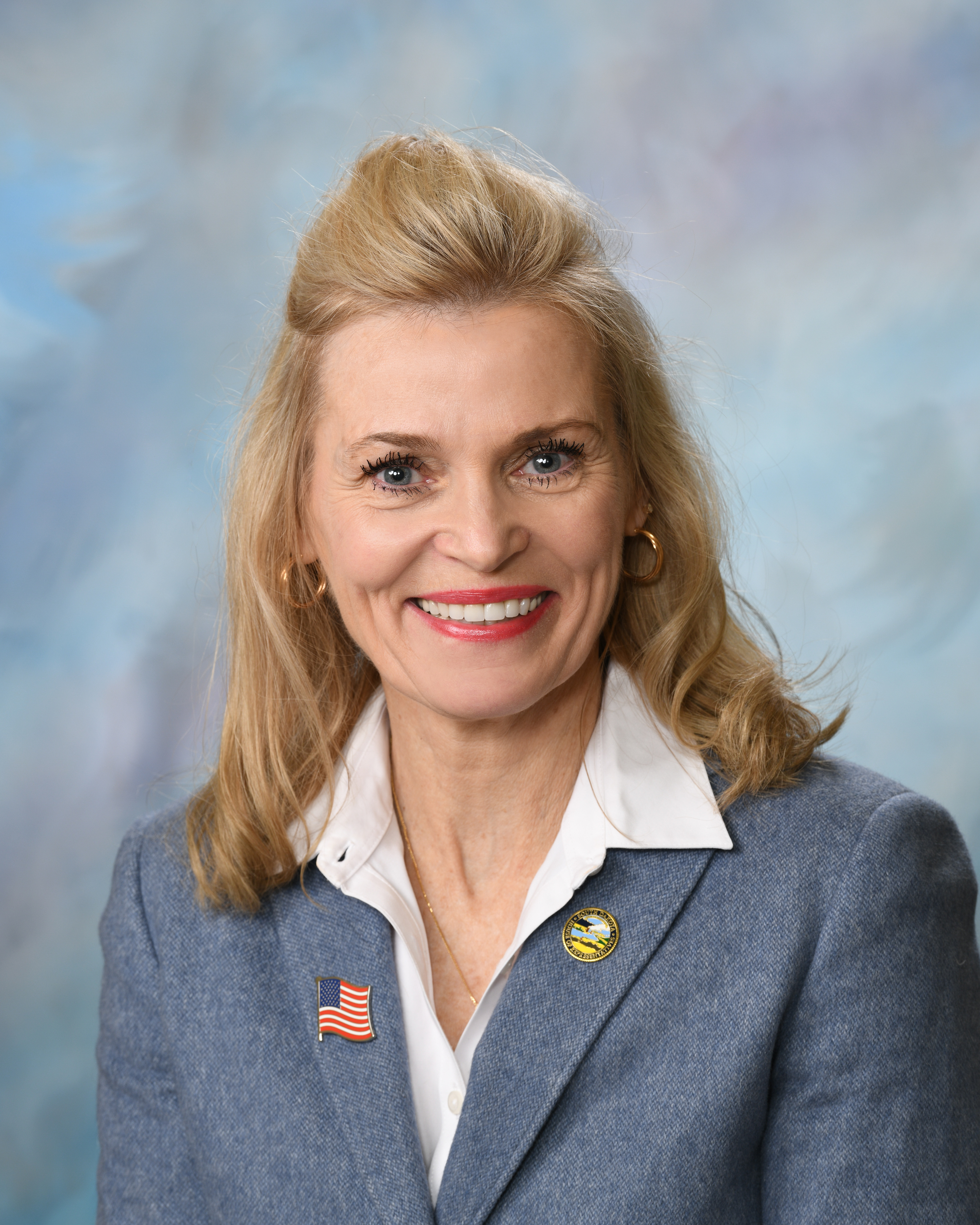

Show 2 more sponsors
Discoveries
Patterns POLISCOPE noticed across the record. These are observations to investigate, not conclusions.
Introduction of Youth-Based Parole Review for Life Sentences
The bill establishes a retroactive framework allowing inmates who were under 27 years old at the time of certain life-sentence offenses to petition for discretionary parole after 25 years.
Connected Entities
Sources
sdlegislature.gov
Analysis Score
0–100- Significance20Lowered because this bill did not pass (its text scored 65)
- Controversy75Intensity of disagreement among stakeholders
- Entertainment10Compellingness for a non-policy-wonk reader
- Buzz30Current news / social attention level
Publisher tools