
The civic record
Read. Follow. Verify.Rules for Debating the 2026 Homeland Security Budget Bill
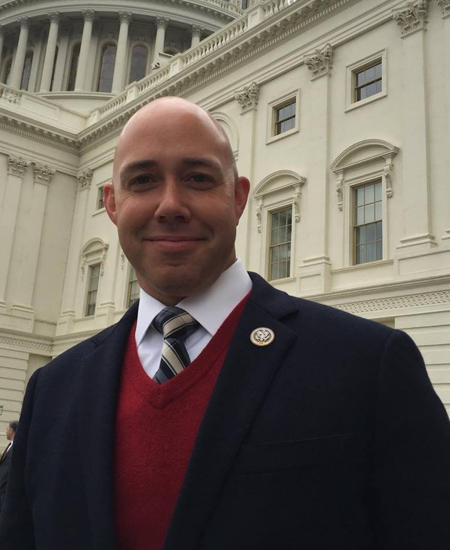
Last action · March 4, 2026: Motion to reconsider laid on the table Agreed to without objection.Sponsor: Brian Jack
Track this bill to get notified when it advances a stage. One tap to stop, anytime.
What This Bill Does
This resolution sets the ground rules for the U.S. House of Representatives to debate and vote on H.R. 7744, which provides funding for the Department of Homeland Security for the 2026 fiscal year. It establishes the time limits for debate and waives standard procedural objections to allow the bill to move forward.
This resolution determines the procedural path for the Department of Homeland Security's annual budget, dictating how much time lawmakers have to debate the bill and limiting the ability to block it through procedural challenges.
Who It Affects
Groups the bill's text affects, as described in the record. Being affected is not a position for or against it.
Department of Homeland Security
The agency's fiscal year 2026 funding levels are determined by the underlying bill, H.R. 7744.
U.S. House of Representatives
Members are subject to the debate time limits and procedural rules established by this resolution.
Key Facts
- H. Res. 1095 establishes the rules for considering H.R. 7744, the Department of Homeland Security appropriations bill for fiscal year 2026.
- All points of order against the consideration of H.R. 7744 are waived.
- The bill will be considered as read, bypassing a full reading on the floor.
- All points of order against specific provisions within the bill are waived.
Show all 7 facts
- Debate is limited to one hour, to be divided equally between the chair and the ranking minority member of the Committee on Appropriations.
- Only one motion to recommit the bill is permitted.
- The previous question is considered ordered on the bill and any amendments, moving the bill directly to a final vote after the allotted debate time.
Frequently Asked Questions
Does this resolution decide how much money the Department of Homeland Security gets?
Can members of Congress propose many amendments to the bill?
What else do you want to know?
News Coverage
Follow the record
Votes, people, money & the original sourceWhere This Stands
Current status: signed.
Procedural history
9 actions- Mar 4, 2026HouseMotion to reconsider laid on the table Agreed to without objection.
- Mar 4, 2026HouseOn agreeing to the resolution Agreed to by recorded vote: 211 - 209 (Roll no. 80). (text: CR H2380)
- Mar 4, 2026HouseFloorPassed/agreed to in House: On agreeing to the resolution Agreed to by recorded vote: 211 - 209 (Roll no. 80). (text: CR H2380)
- Mar 4, 2026HouseOn ordering the previous question Agreed to by the Yeas and Nays: 213 - 208 (Roll no. 79). (consideration: CR H2388-2389)
- Mar 4, 2026HouseDEBATE - The House proceeded with one hour of debate on H. Res. 1095.
- Mar 4, 2026HouseConsidered as privileged matter. (consideration: CR H2380-2390)
Show 3 earlier actions
- Mar 3, 2026HousePlaced on the House Calendar, Calendar No. 64.
- Mar 3, 2026HouseRule provides for consideration of H.R. 7744 with 1 hour of general debate. Motion to recommit allowed. Bill is closed to amendments.
- Mar 3, 2026HouseThe House Committee on Rules reported an original measure, H. Rept. 119-540, by Mr. Jack.
Version history
Only one version on file - nothing to compare yet. As later stages (committee substitute, engrossed, enrolled) are captured, the redline appears here.
View official text →Voting Record
Total
416
- Yes
- 210
- No
- 206
- Present
- 0
- Not voting
- 0
- Abstain
- 0
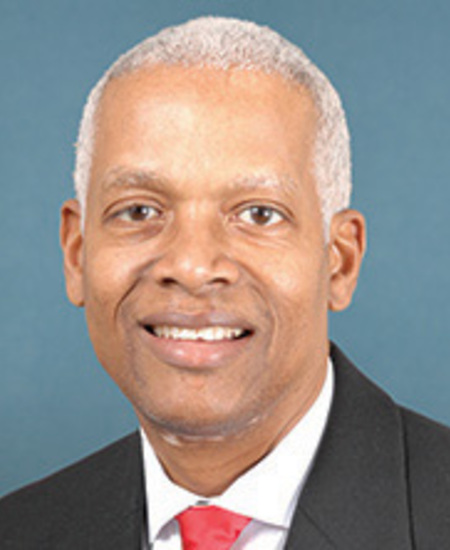
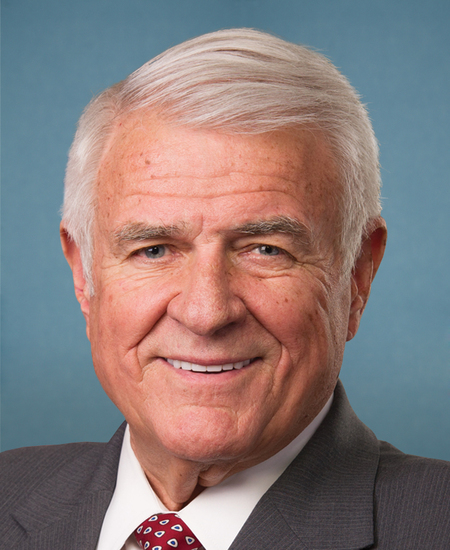
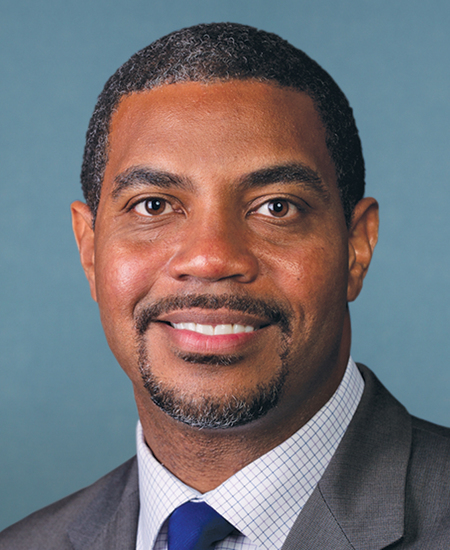
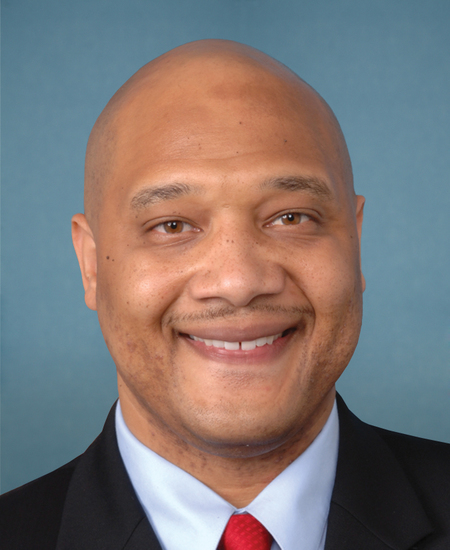
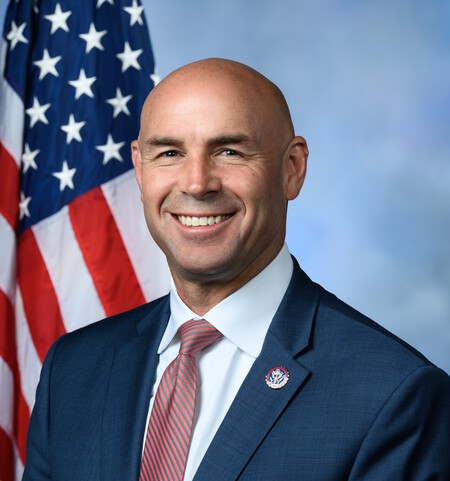
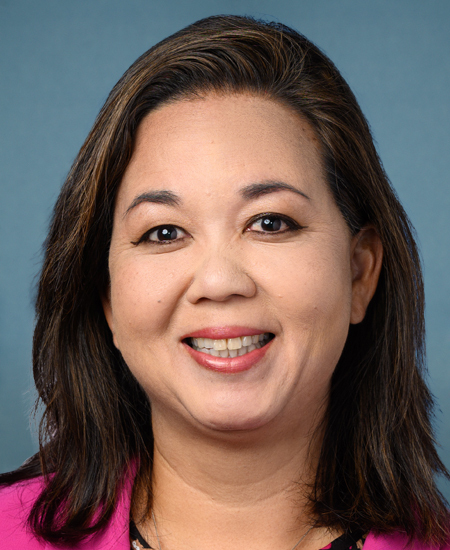
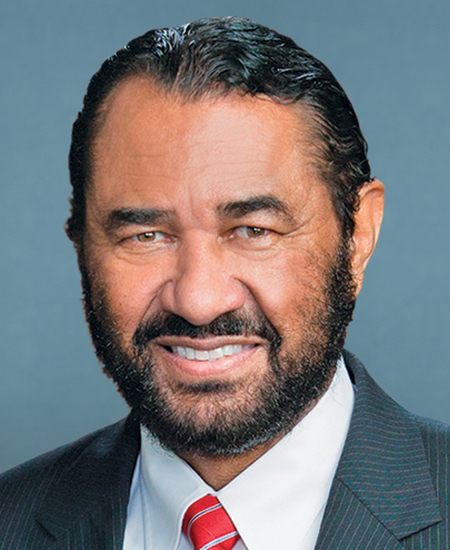
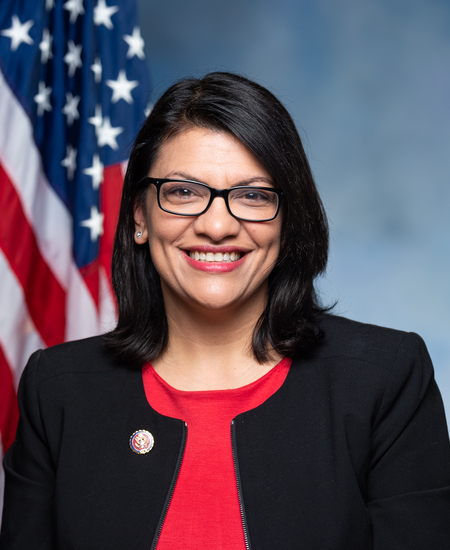
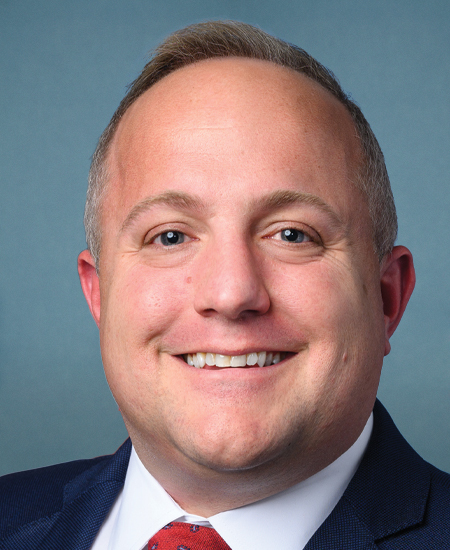
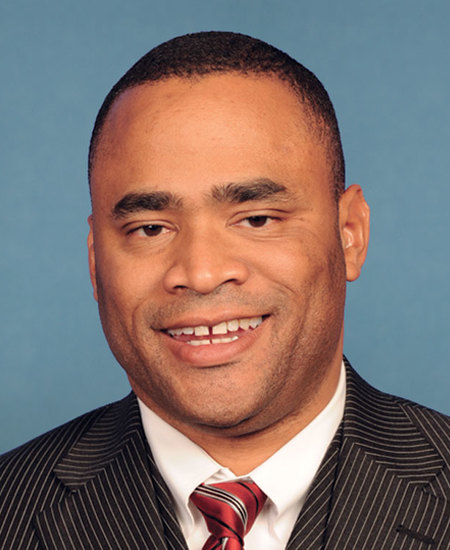
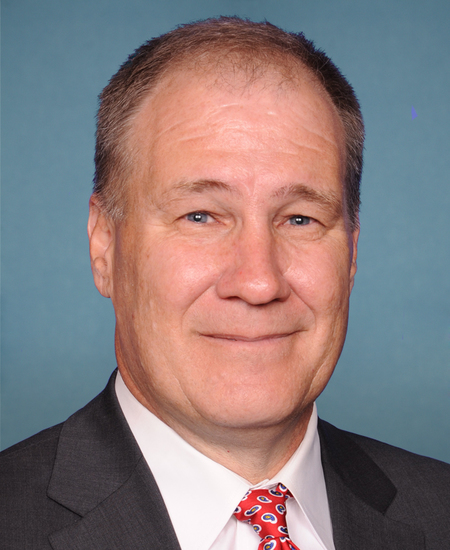
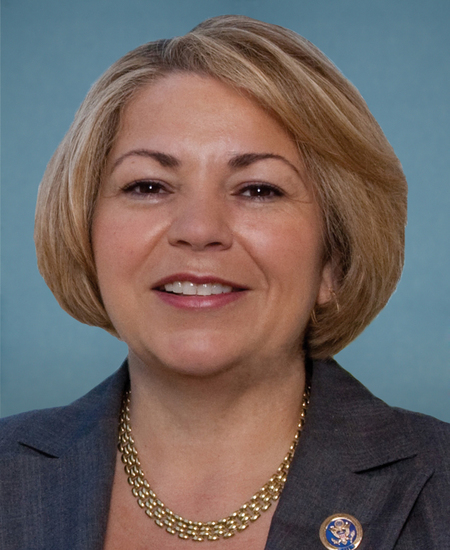
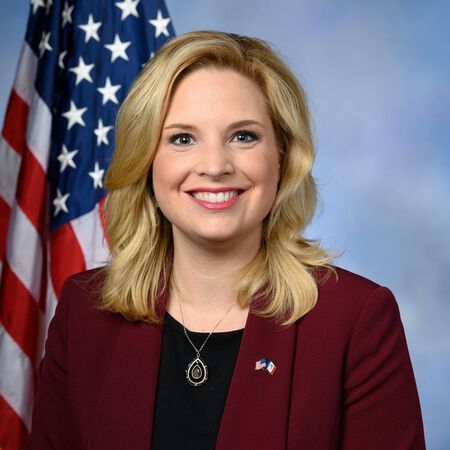
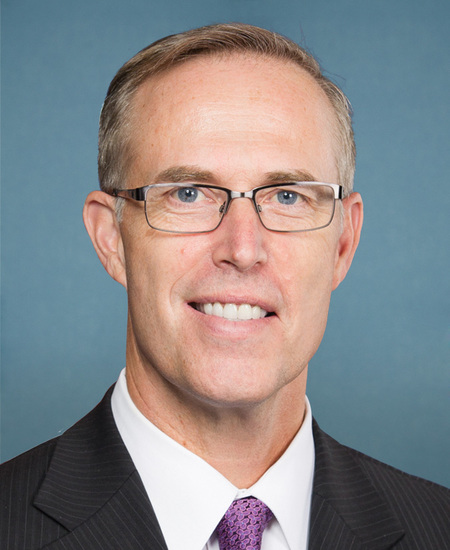
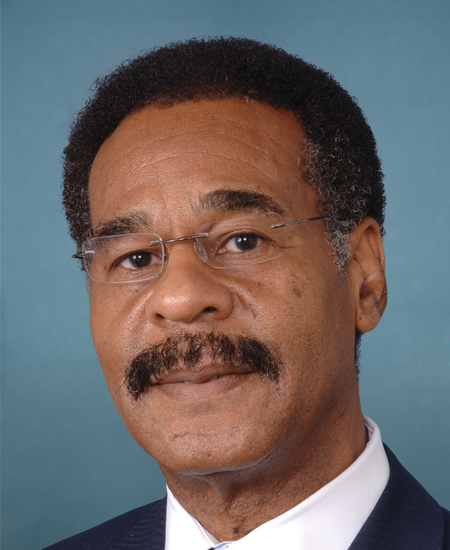
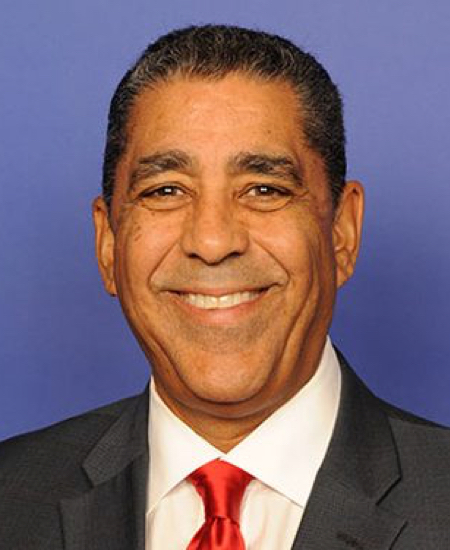
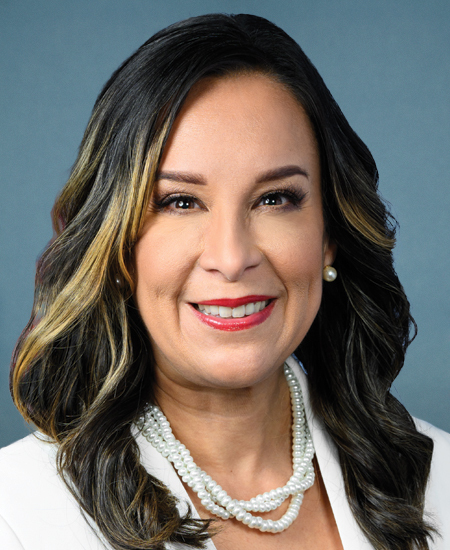
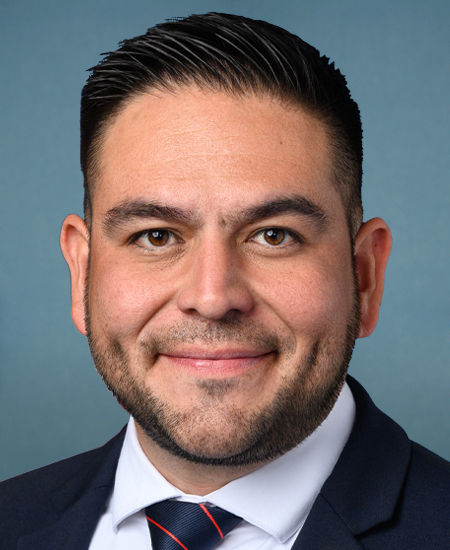
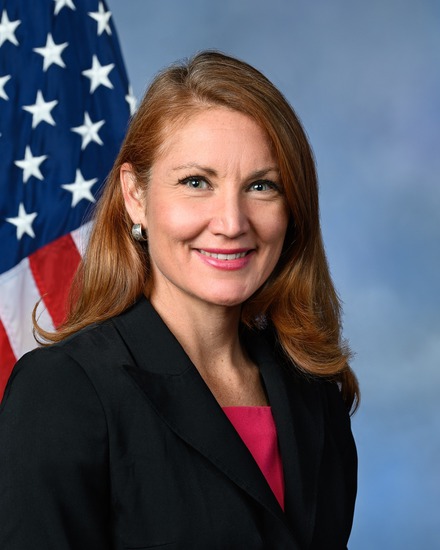
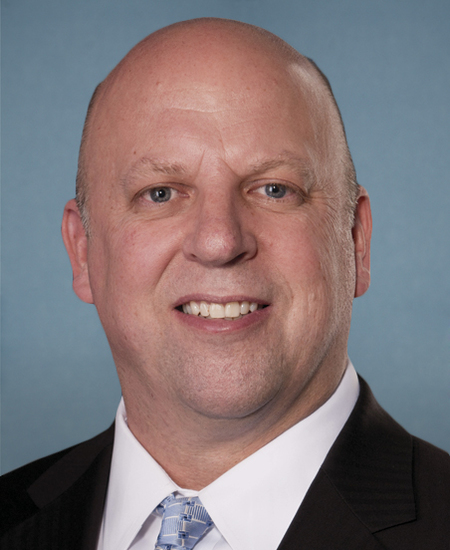
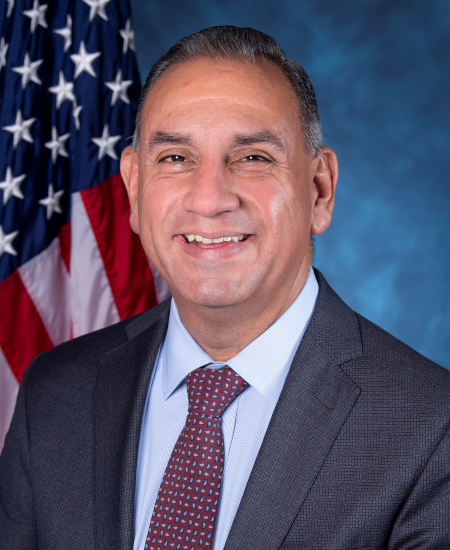
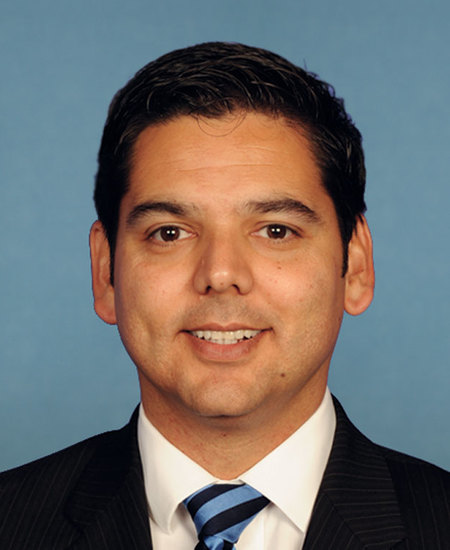
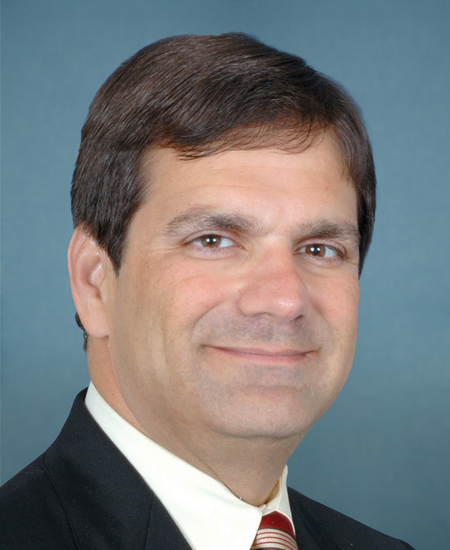
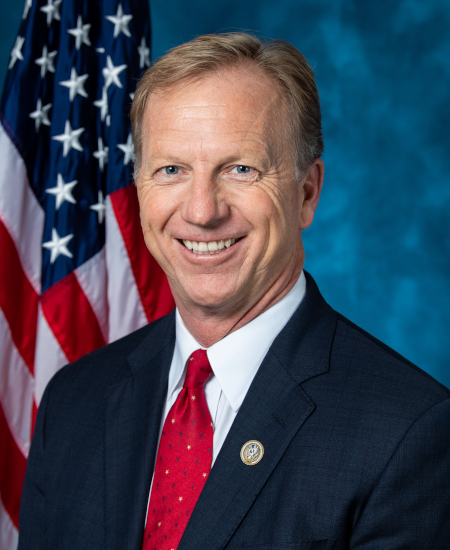
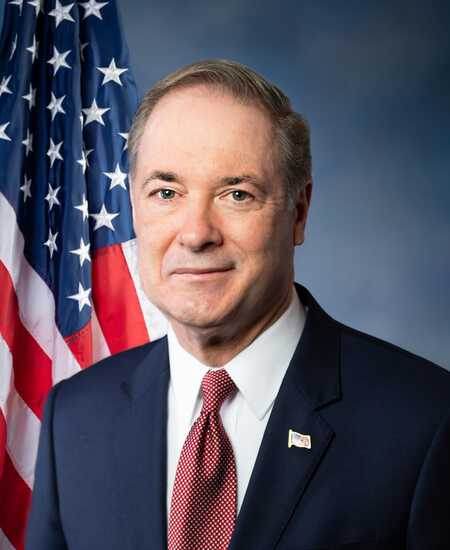
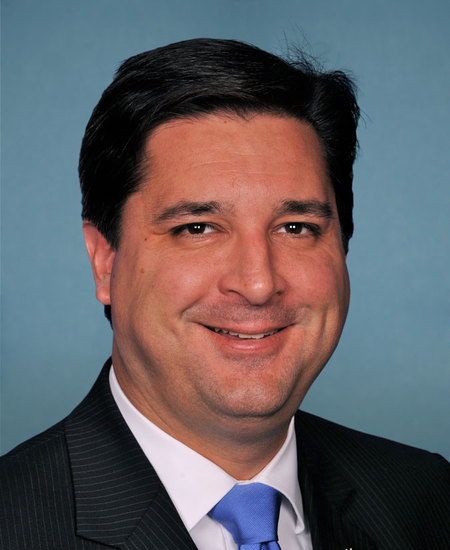
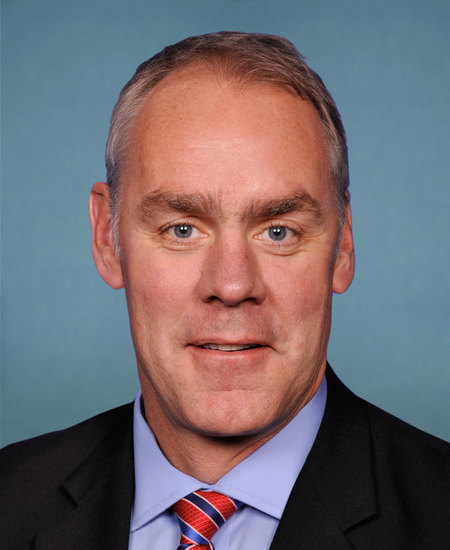
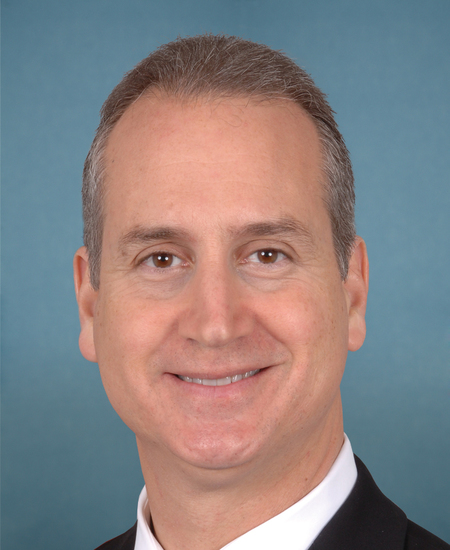
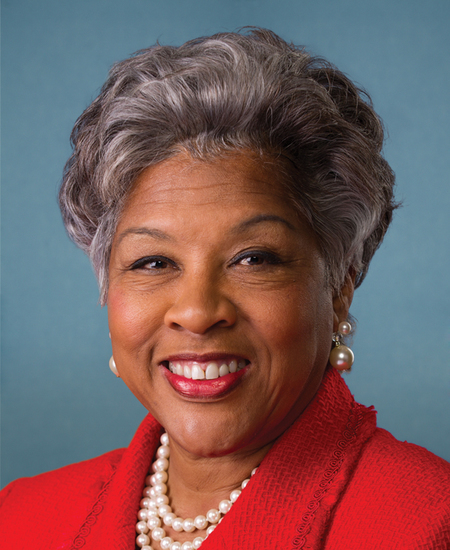
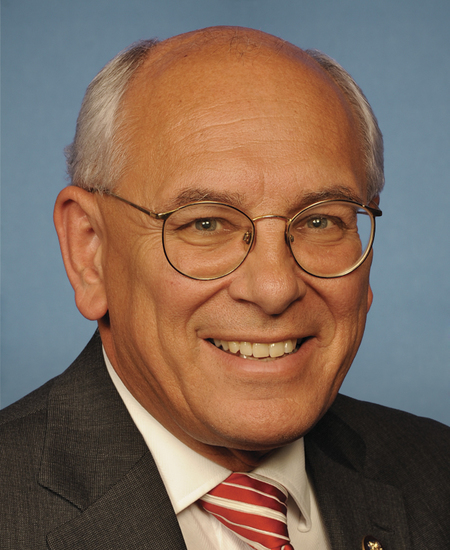
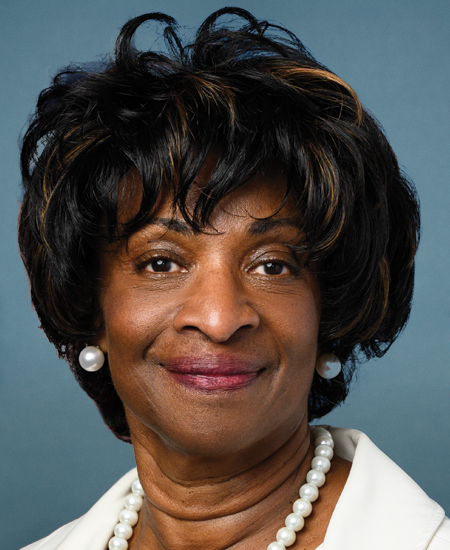
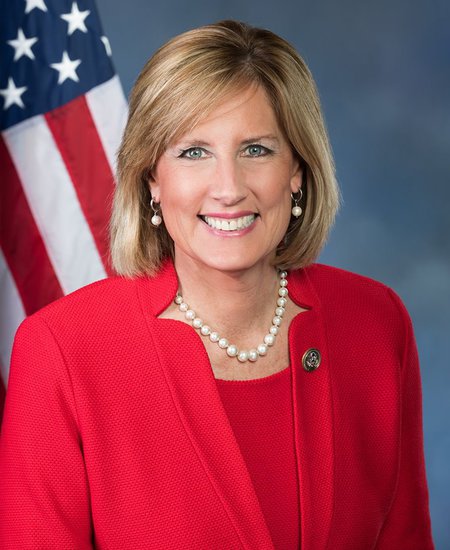
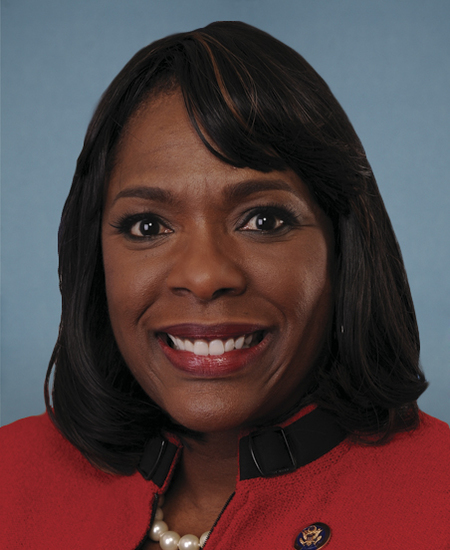
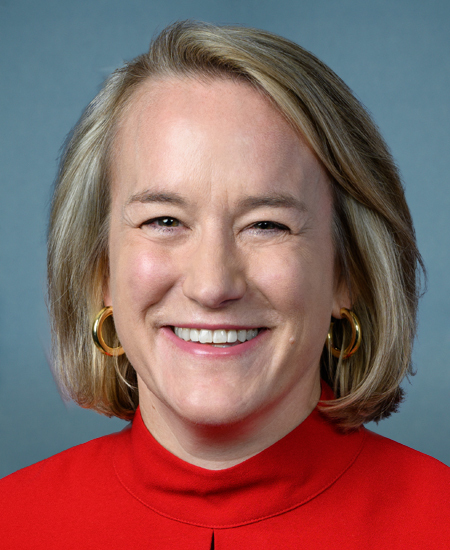
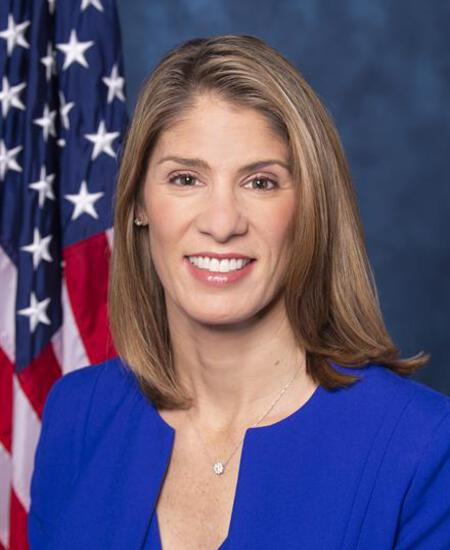
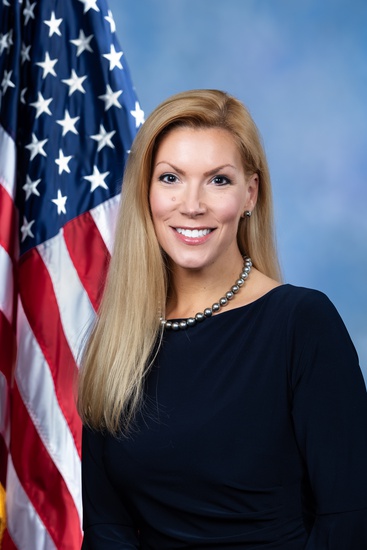
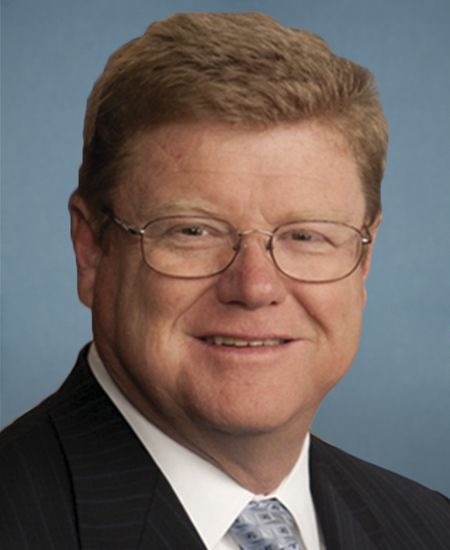
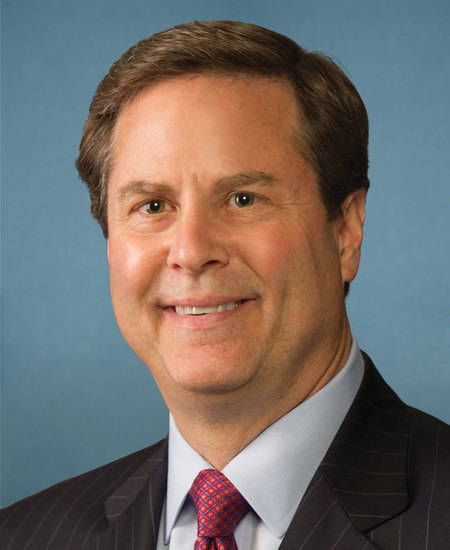
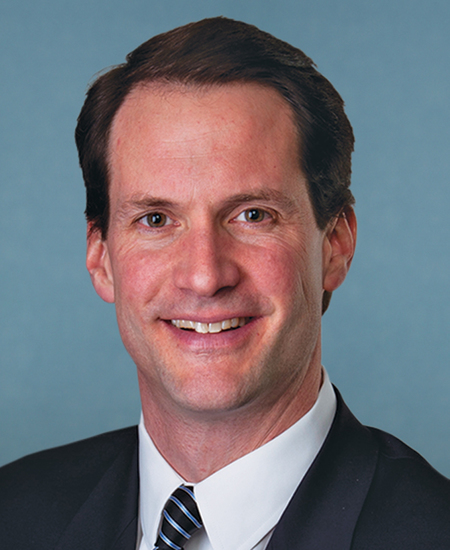
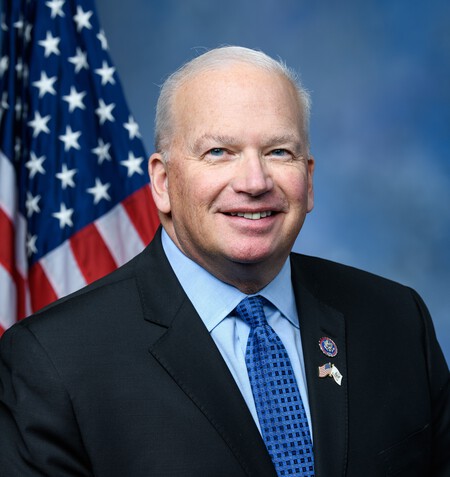
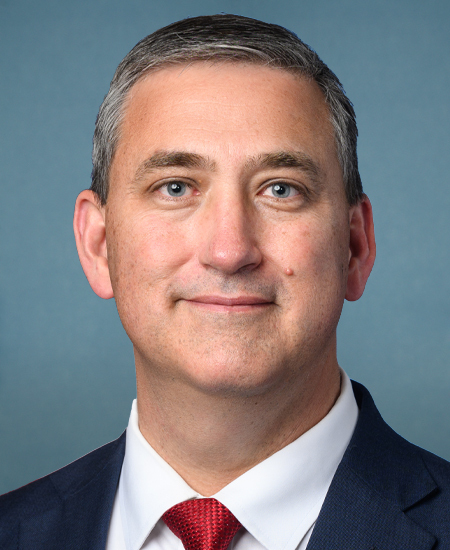
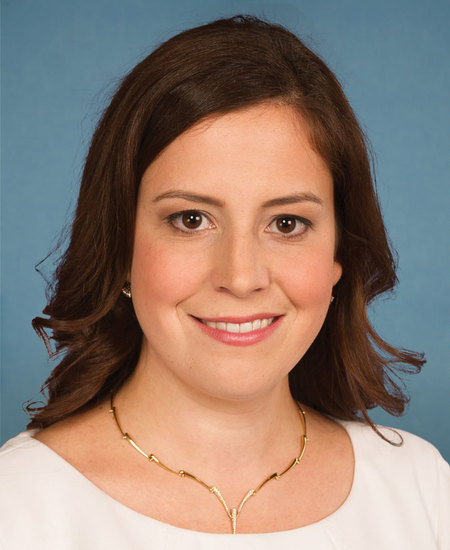
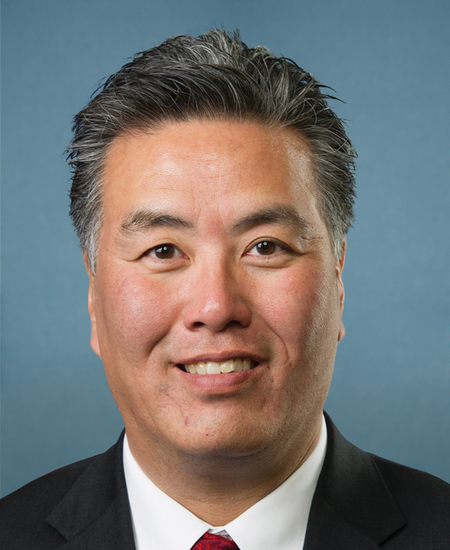
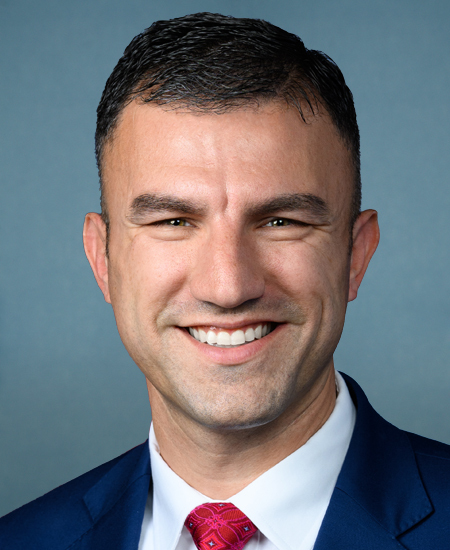
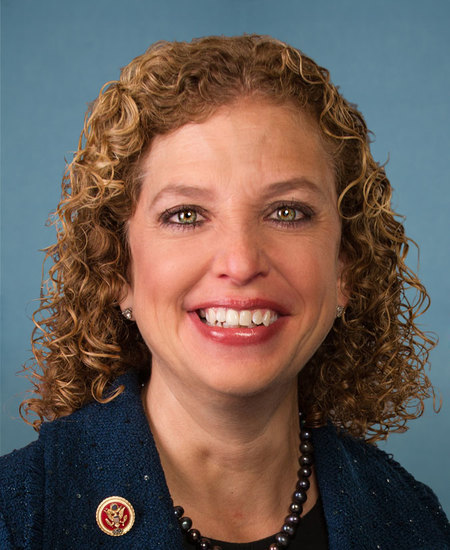
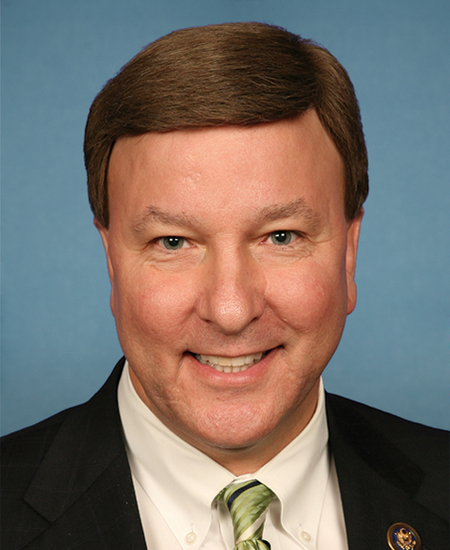
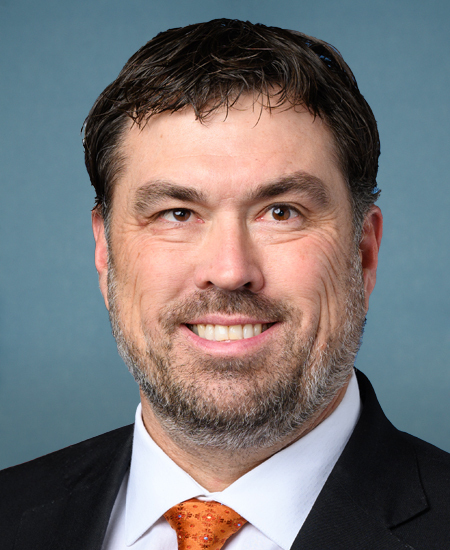
How they voted (416)

















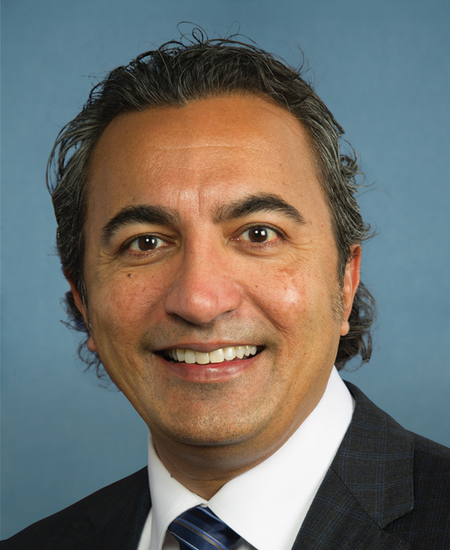

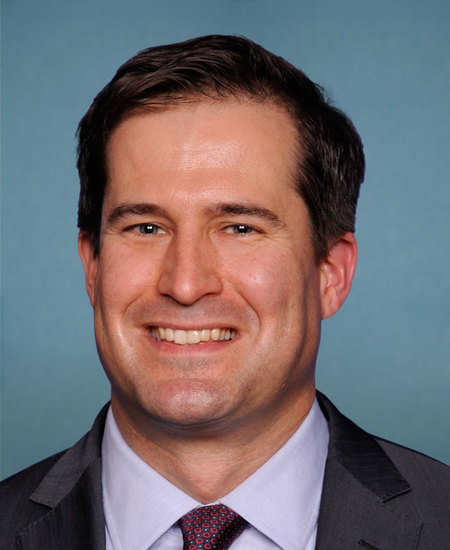
392 more members
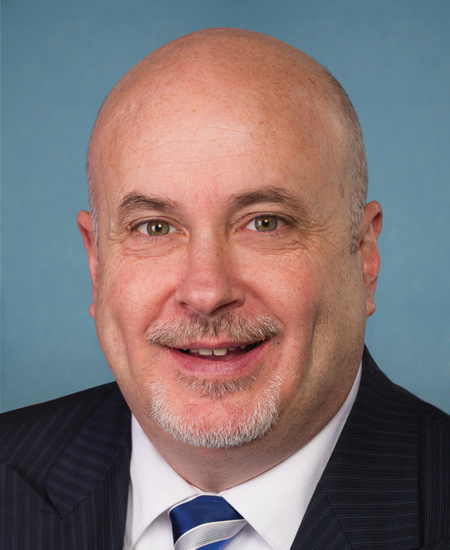












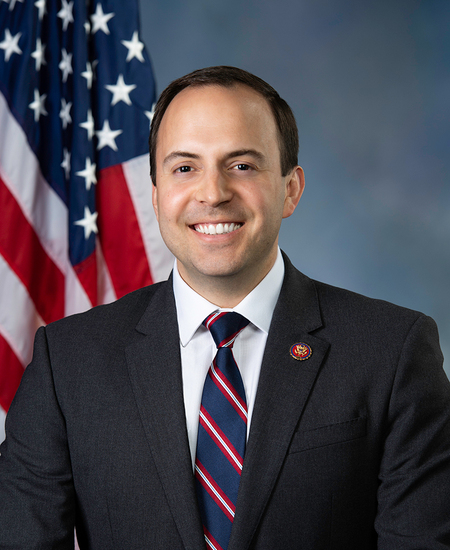
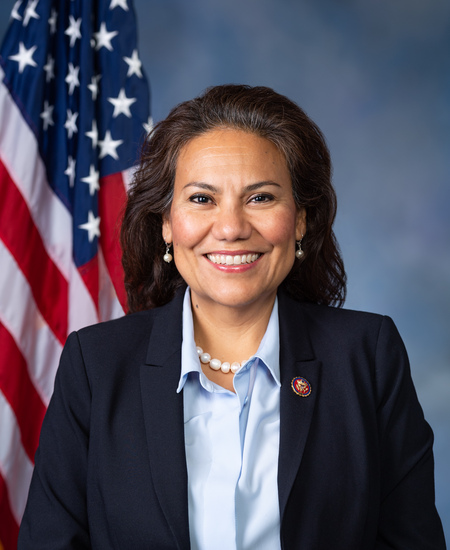
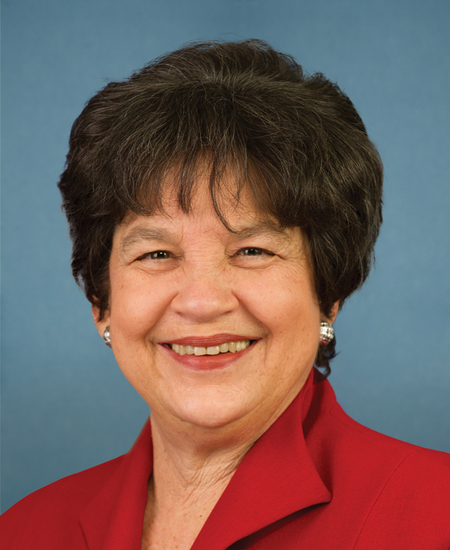






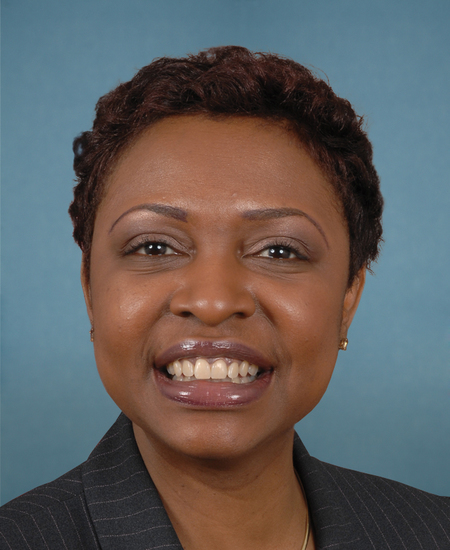

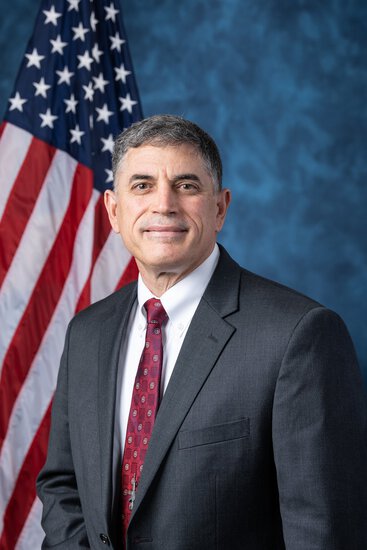




























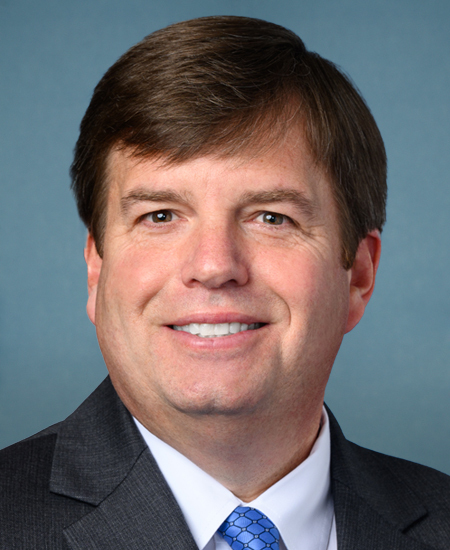


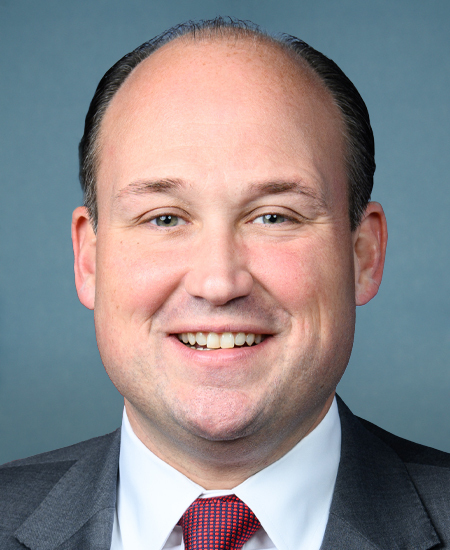






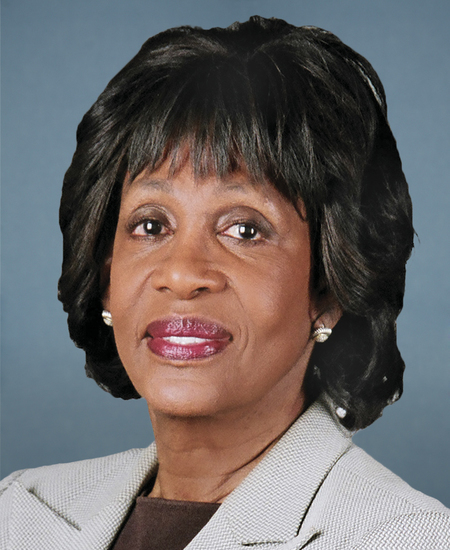



































































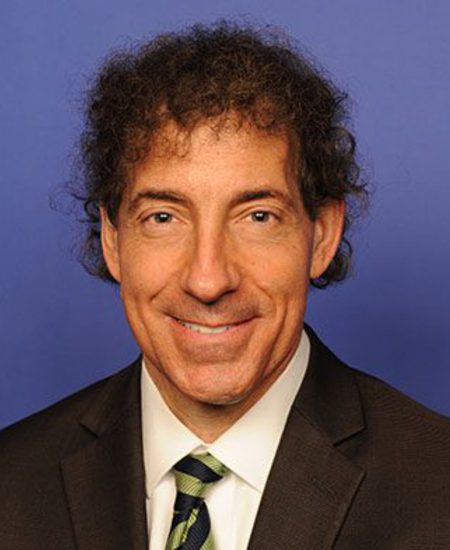





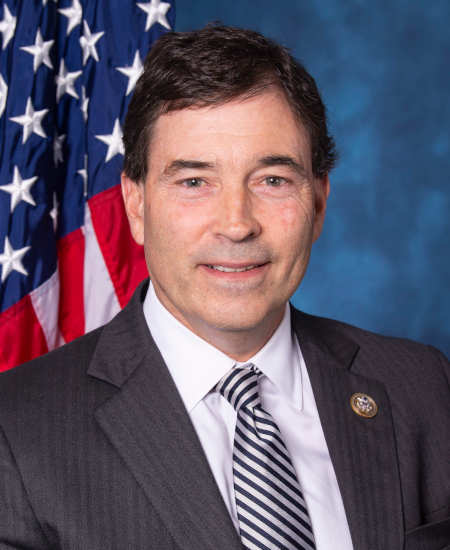


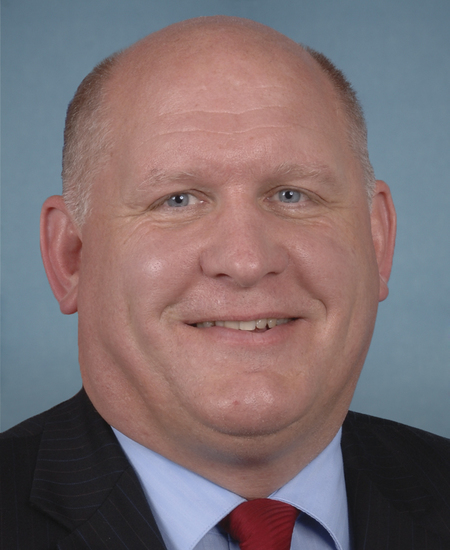

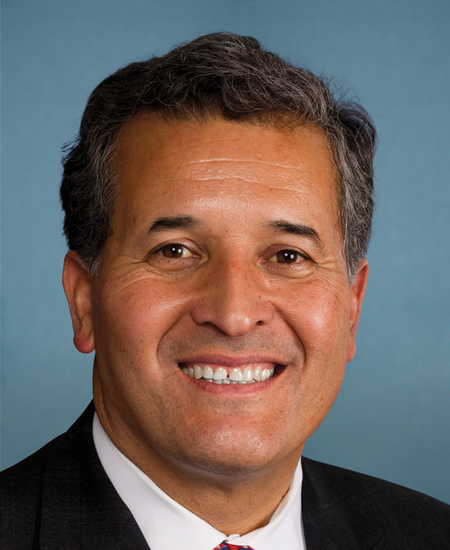
























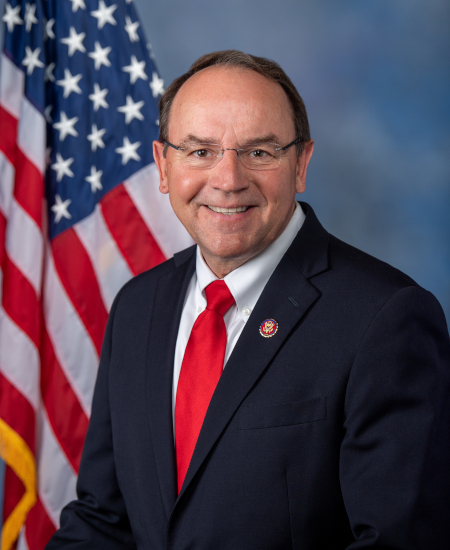

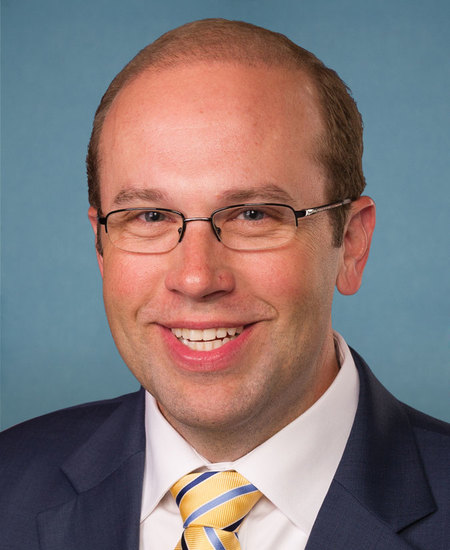






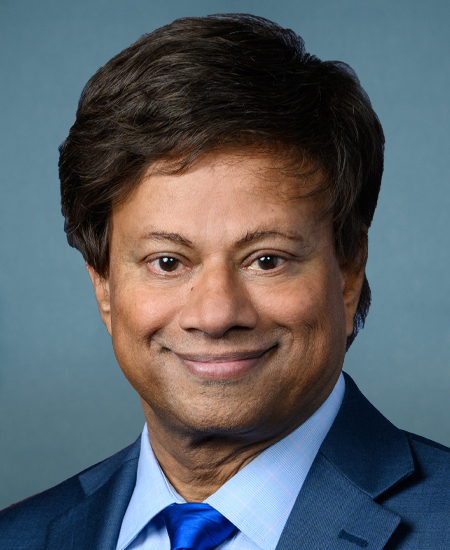



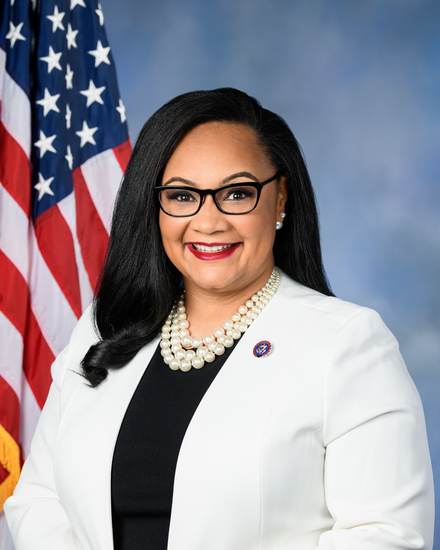


































































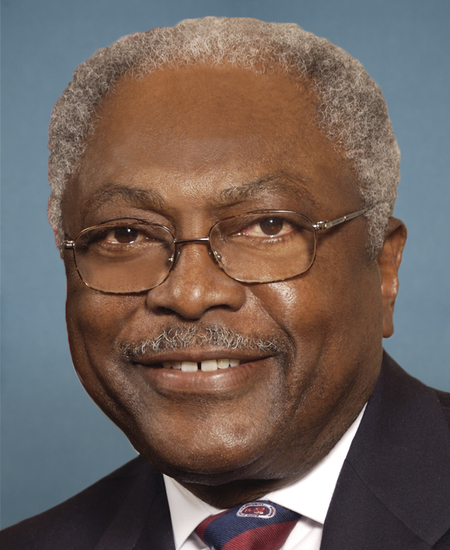

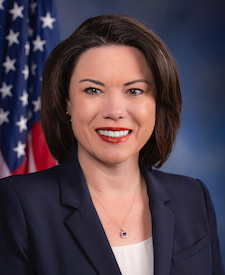


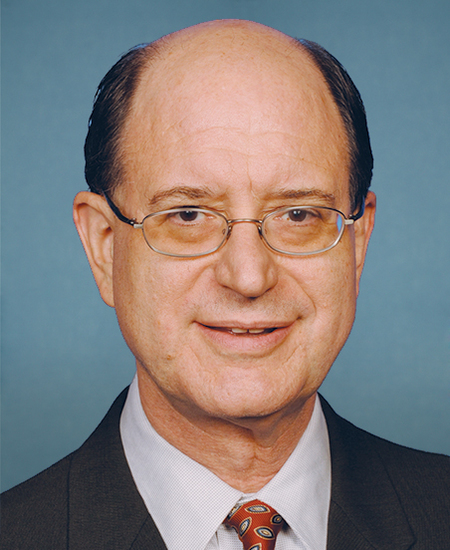
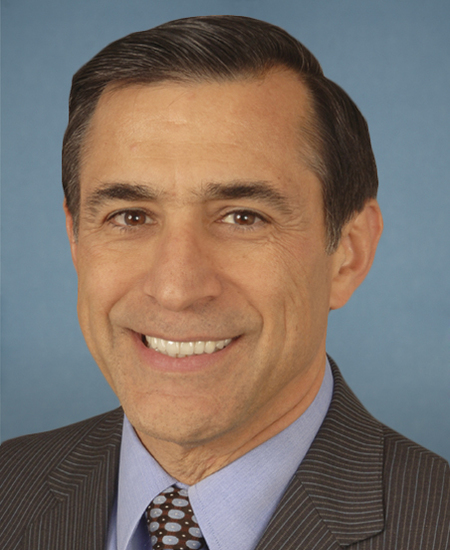















Show 1 earlier roll call
On Ordering the Previous Question
Total
432
- Yes
- 213
- No
- 208
- Present
- 0
- Not voting
- 11
- Abstain
- 0
How they voted (1)
Full breakdown
Who this bill affects and the strongest case for and against it, written only from the bill’s own text.
Sponsors
Discoveries
Patterns POLISCOPE noticed across the record. These are observations to investigate, not conclusions.
Standard Procedural Waiver
The resolution utilizes standard 'waiving points of order' language, which is common for appropriations bills to ensure they reach a floor vote without being stalled by technical procedural challenges.
Connected Entities
Sources
www.congress.gov
Analysis Score
0–100- Significance65How much this matters to a regular citizen
- Controversy20Intensity of disagreement among stakeholders
- Entertainment5Compellingness for a non-policy-wonk reader
- Buzz15Current news / social attention level
Publisher tools