
The civic record
Read. Follow. Verify.Ohio HB 578 requires mandatory reporting of tick-related diseases and Alpha-gal syndrome to the Department of Health
Last action · March 25, 2026: Referred to HealthSponsors: Rodney Creech and 16 others
Track this bill to get notified when it advances a stage. One tap to stop, anytime.
What This Bill Would Do
Ohio House Bill 578 requires health care providers, coroners, and local health authorities to promptly report cases of and tick-related diseases to the Department of Health. The measure amends existing disease reporting statutes to include specific zoonotic, vector-borne, foodborne, and waterborne conditions. Violations of these reporting requirements are prohibited by law.
Local medical professionals, hospitals, and county health departments must update their tracking and reporting protocols to include tick-borne illnesses and , altering compliance obligations for health care entities across the state.
- House Bill 578 was introduced during the 136th General Assembly regular session in Ohio to update statutory disease reporting mandates administered by the state Department of Health. context
Who It Would Affect
Groups the bill's text would affect if enacted, as described in the record. Being affected is not a position for or against it.
Health care providers
Hospitals, clinics, physicians, nurses, and laboratories must promptly report newly mandated conditions such as Alpha-gal syndrome and tick-related diseases to the state.
Boards of health and coroners
Local health authorities, boards, and medical examiners are bound by mandatory reporting rules for vector-borne and zoonotic diseases.
Department of Health
The agency receives, processes, and manages the expanded data reports regarding contagious illnesses and tick-related conditions.
Key Facts
You don't have to trust us. Each fact below is taken straight from the official document - click any one to see the exact passage, highlighted in the original.
Frequently Asked Questions
Who is required to report tick-related diseases under this bill?
What specific new conditions are added to the reporting list?
Does the bill allow patient medical data to be made public?
What else do you want to know?
News Coverage
Follow the record
Votes, people, money & the original sourceWhere This Stands
Currently passed chamber. The next step in the legislative lifecycle is Law.
Procedural history
6 actions- Mar 25, 2026SenateCommitteeReferred to Health
- Mar 19, 2026SenateIntroducedIntroduced
- Mar 18, 2026HouseFloorPassed
- Feb 25, 2026HouseCommitteeReported - Substitute (Health)
- Nov 12, 2025HouseCommitteeReferred to Health
- Nov 5, 2025HouseIntroducedIntroduced
Version history & redline
3 versions on fileVoting Record
Favorable Passage
Total
13
- Yes
- 13
- No
- 0
- Present
- 0
- Not voting
- 0
- Abstain
- 0
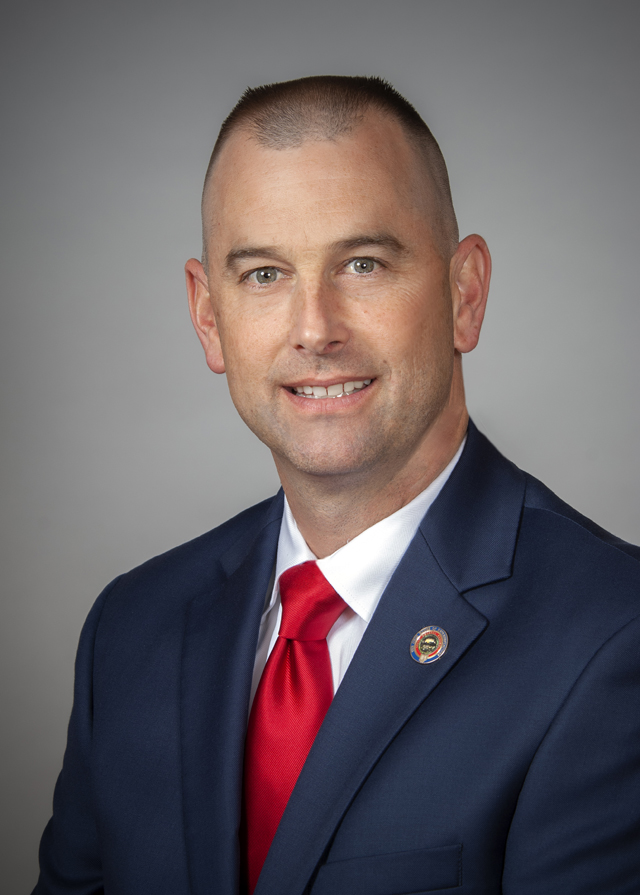
How they voted (13)







Show 1 earlier roll call
Passed
Total
91
- Yes
- 91
- No
- 0
- Present
- 0
- Not voting
- 0
- Abstain
- 0
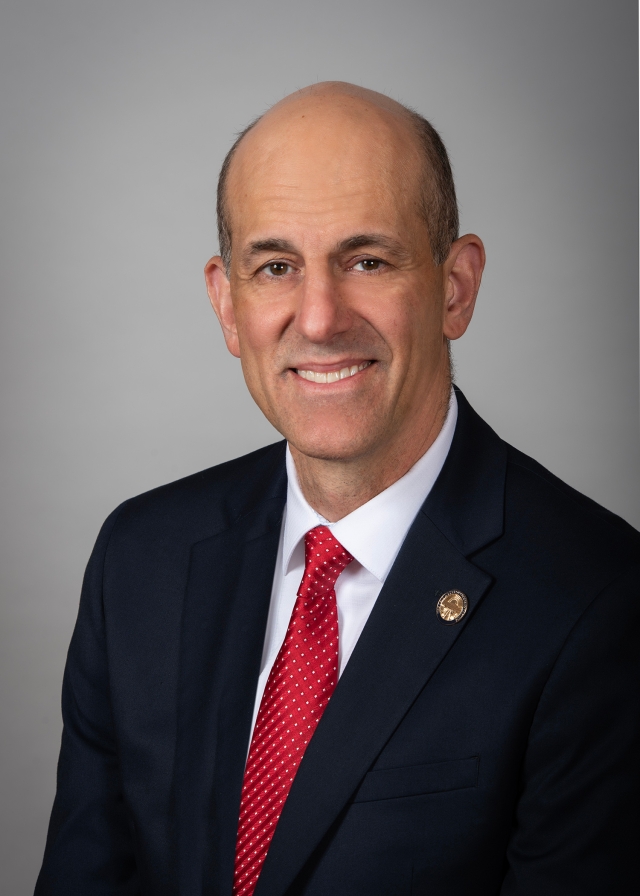
How they voted (93)
















69 more members



































Lobbying Activity
No state lobbying filings in our records match this bill. Federal lobbying reports (LDA) cover Congress, so they are not listed on state bills.
Full breakdown
Who this bill affects and the strongest case for and against it, written only from the bill’s own text.
Sponsors
Show 12 more sponsors
Discoveries
Patterns POLISCOPE noticed across the record. These are observations to investigate, not conclusions.
Expansion of State Disease Surveillance
The legislation broadens Ohio's mandatory health reporting framework to explicitly capture tick-borne illnesses and Alpha-gal syndrome.
Connected Entities
Sources
www.legislature.ohio.gov
Analysis Score
0–100- Significance60How much this matters to a regular citizen
- Controversy10Intensity of disagreement among stakeholders
- Entertainment5Compellingness for a non-policy-wonk reader
- Buzz25Current news / social attention level
Publisher tools