
The civic record
Read. Follow. Verify.Missouri House Bill 1757 Establishes Universal Gifted Student Screenings and Teacher Certification Standards
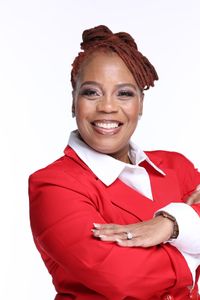
Last action · May 7, 2026: Placed on Informal CalendarSponsors: Brenda Shields and 3 others
Track this bill to get notified when it advances a stage. One tap to stop, anytime.
What This Bill Would Do
Beginning in the 2026-27 school year, Missouri school districts must provide s for all students at least once before third grade to identify gifted students. The measure also mandates teacher certification or specific professional development for gifted educators and grants school districts immunity from liability regarding qualification decisions.
Parents, local school districts, and teachers face new mandatory screening protocols, certification requirements, and formal review processes for gifted education programs starting in the 2026-27 school year.
Who It Would Affect
Groups the bill's text would affect if enacted, as described in the record. Being affected is not a position for or against it.
School districts
School districts must implement universal pre-third-grade screening policies, ensure teacher certification or professional development compliance, and establish parent review procedures.
Students
All students are guaranteed universal screening for gifted programs at least once before grade three.
Teachers providing gifted services
Educators must meet certification requirements or complete annual professional development hours depending on the district's average daily attendance.
Parents and guardians
Parents must receive annual notification of the screening process and gain access to a formal review procedure for qualification decisions.
Key Facts
- Starting in the 2026-27 school year, each school district must provide universal screenings for all students at least once before the beginning of grade three.
- Screenings must use valid, reliable, and current testing methods and incorporate a body of evidence from a minimum of two areas such as general mental ability, academic achievement, creativity, reasoning, problem solving, or referrals.
- Districts are prohibited from identifying a child as gifted based solely on participation in an advanced placement or international baccalaureate course.
- For districts with an average daily attendance of more than 350 students, any teacher providing gifted services must be certificated in gifted education.
Show all 7 facts
- For districts with an average daily attendance of 350 students or fewer, teachers providing gifted services must annually participate in at least six clock hours of professional development paid for by the school district.
- Beginning in the 2026-27 school year, each school district must have a board-approved policy establishing a universal screening process, annual parental notification, and procedures for parents to request a review of qualification decisions.
- School districts and their employees are granted immunity from liability for any acts or omissions relating to decisions that a child did not qualify for gifted services.
Frequently Asked Questions
When must school districts begin providing universal gifted screenings?
Are teachers in small school districts required to hold a gifted education certification?
Can a child be identified as gifted solely based on taking an Advanced Placement course?
What else do you want to know?
News Coverage
Follow the record
Votes, people, money & the original sourceWhere This Stands
Currently passed chamber. The next step in the legislative lifecycle is Law.
Procedural history
27 actions- May 7, 2026HousePlaced on Informal Calendar
- Apr 28, 2026SenateCommitteeReported Do Pass (S)
- Apr 14, 2026SenateCommitteeVoted Do Pass (S)
- Apr 14, 2026SenateExecutive Session Held (S)
- Mar 31, 2026SenatePublic Hearing Held (S)
- Mar 26, 2026SenatePublic Hearing Scheduled (S)
Show 21 earlier actions
- Feb 26, 2026SenateCommitteeSecond read and referred: Education(S)
- Feb 9, 2026SenateReported to the Senate and First Read (S)
- Feb 9, 2026HouseFloorThird Read and Passed (H)
- Feb 9, 2026HouseTaken Up for Third Reading (H)
- Feb 5, 2026HousePlaced on the Informal Third Reading Calendar (H)
- Feb 3, 2026HousePerfected (H)
- Feb 3, 2026HouseHCS Adopted (H)
- Feb 3, 2026HouseTitle of Bill - Agreed To
- Feb 3, 2026HouseTaken Up for Perfection (H)
- Jan 29, 2026HouseCommitteeReported Do Pass (H)
- Jan 29, 2026HouseCommitteeVoted Do Pass (H)
- Jan 29, 2026HouseExecutive Session Completed (H)
- Jan 27, 2026HouseCommitteeReferred: Rules - Legislative(H)
- Jan 22, 2026HouseCommitteeHCS Reported Do Pass (H)
- Jan 21, 2026HouseCommitteeHCS Voted Do Pass (H)
- Jan 21, 2026HouseExecutive Session Completed (H)
- Jan 15, 2026HousePublic Hearing Completed (H)
- Jan 8, 2026HouseCommitteeReferred: Elementary and Secondary Education(H)
- Jan 8, 2026HouseFloorRead Second Time (H)
- Jan 7, 2026HouseIntroducedRead First Time (H)
- Dec 1, 2025HouseIntroducedPrefiled (H)
Version history
Only one version on file - nothing to compare yet. As later stages (committee substitute, engrossed, enrolled) are captured, the redline appears here.
View official text →Lobbying Activity
No state lobbying filings in our records match this bill. Federal lobbying reports (LDA) cover Congress, so they are not listed on state bills.
Full breakdown
Who this bill affects and the strongest case for and against it, written only from the bill’s own text.
Sponsors

Connected Entities
Sources
house.mo.gov
Analysis Score
0–100- Significance65How much this matters to a regular citizen
- Controversy15Intensity of disagreement among stakeholders
- Entertainment5Compellingness for a non-policy-wonk reader
- Buzz25Current news / social attention level
Publisher tools