
The civic record
Read. Follow. Verify.Louisiana Authorizes High Schools to Partner with Banks and Credit Unions to Operate Student-Run Branches
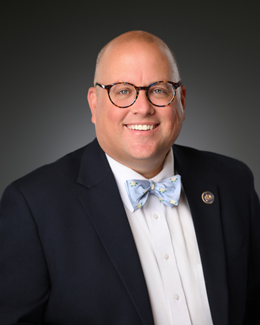
Last action · May 15, 2026: Effective date: 08/01/2026.Sponsors: Tony Bacala and 27 others
Track this bill to get notified when it advances a stage. One tap to stop, anytime.
What This Bill Does
Louisiana school boards are now permitted to enter into cooperative agreements with banks and credit unions to establish and operate branch locations inside high schools starting August 1, 2026. These branch operations must be integrated directly into the state's required financial literacy curriculum for students.
Local public high schools gain the legal authority to host on-site financial institution branches, altering how students access banking services and complete mandatory financial education coursework.
- House Bill 285 was enacted during the 2026 Regular Session of the Louisiana Legislature and signed into law as Act 147. context
Who It Affects
Groups the bill's text affects, as described in the record. Being affected is not a position for or against it.
students
Students gain access to on-site bank or credit union branches integrated directly into their mandatory financial literacy coursework.
local public school boards
School boards receive the discretionary authority to partner with financial institutions to establish high school branch locations.
credit unions and banks
Financial institutions are newly permitted to establish cooperative operating branches within high school facilities.
Key Facts
- School boards are authorized to enter into cooperative endeavors with credit unions or banks to operate a branch at a high school.
- The operation of the bank or credit union branch must be integrated into the financial literacy course required by R.S. 17:270.
- The program is designed to provide students with the opportunity to obtain skills, knowledge, and experience necessary to manage personal finances.
- The Act becomes effective on August 1, 2026.
Frequently Asked Questions
Who is allowed to operate a branch inside a high school under this law?
How does the school branch connect to classroom instruction?
When does this law go into effect?
What else do you want to know?
News Coverage
Follow the record
Votes, people, money & the original sourceWhere This Stands
Current status: Signed into law.
Procedural history
20 actions- May 15, 2026HouseEnrolledSigned by the Governor. Becomes Act No. 147.
- May 15, 2026HouseEffective date: 08/01/2026.
- May 14, 2026SenateEnrolledSigned by the President of the Senate.
- May 14, 2026HouseSent to the Governor for executive approval.
- May 13, 2026HouseReceived from the Senate without amendments.
- May 13, 2026HouseEnrolledEnrolled and signed by the Speaker of the House.
Show 14 earlier actions
- May 12, 2026SenateFloorRules suspended. Read by title, passed by a vote of 35 yeas and 0 nays, and ordered returned to the House. Motion to reconsider tabled.
- May 5, 2026SenateFloorReported without Legislative Bureau amendments. Read by title and passed to third reading and final passage.
- May 4, 2026SenateIntroducedRead by title and referred to the Legislative Bureau.
- Apr 29, 2026SenateCommitteeRules suspended. Reported favorably.
- Mar 30, 2026SenateCommitteeRead second time by title and referred to the Committee on Education.
- Mar 25, 2026HouseFloorRead third time by title, roll called on final passage, yeas 100, nays 0. Finally passed, title adopted, ordered to the Senate.
- Mar 25, 2026SenateReceived in the Senate. Read first time by title and placed on the Calendar for a second reading.
- Mar 23, 2026HouseFloorRead by title, amended, ordered engrossed, passed to 3rd reading.
- Mar 23, 2026HouseScheduled for floor debate on 03/25/2026.
- Mar 18, 2026HouseReported with amendments (14-0).
- Mar 9, 2026HouseIntroducedRead by title, under the rules, referred to the Committee on Education.
- Feb 27, 2026HouseFirst appeared in the Interim Calendar on 2/27/2026.
- Feb 23, 2026HousePrefiled.
- Feb 23, 2026HouseCommitteeUnder the rules, provisionally referred to the Committee on Education.
Version history
Only one version on file - nothing to compare yet. As later stages (committee substitute, engrossed, enrolled) are captured, the redline appears here.
View official text →Lobbying Activity
No state lobbying filings in our records match this bill. Federal lobbying reports (LDA) cover Congress, so they are not listed on state bills.
Full breakdown
Who this bill affects and the strongest case for and against it, written only from the bill’s own text.
Sponsors

Show 23 more sponsors







Connected Entities
Sources
www.legis.la.gov
Analysis Score
0–100- Significance45How much this matters to a regular citizen
- Controversy10Intensity of disagreement among stakeholders
- Entertainment5Compellingness for a non-policy-wonk reader
- Buzz20Current news / social attention level
Publisher tools