
NewsWPLG Local 10October 26, 2026Miami-Dade County
U.S. and Mexico reopen New Mexico border crossing for cattle imports under new screwworm safeguards
Photo: WPLG Local 10
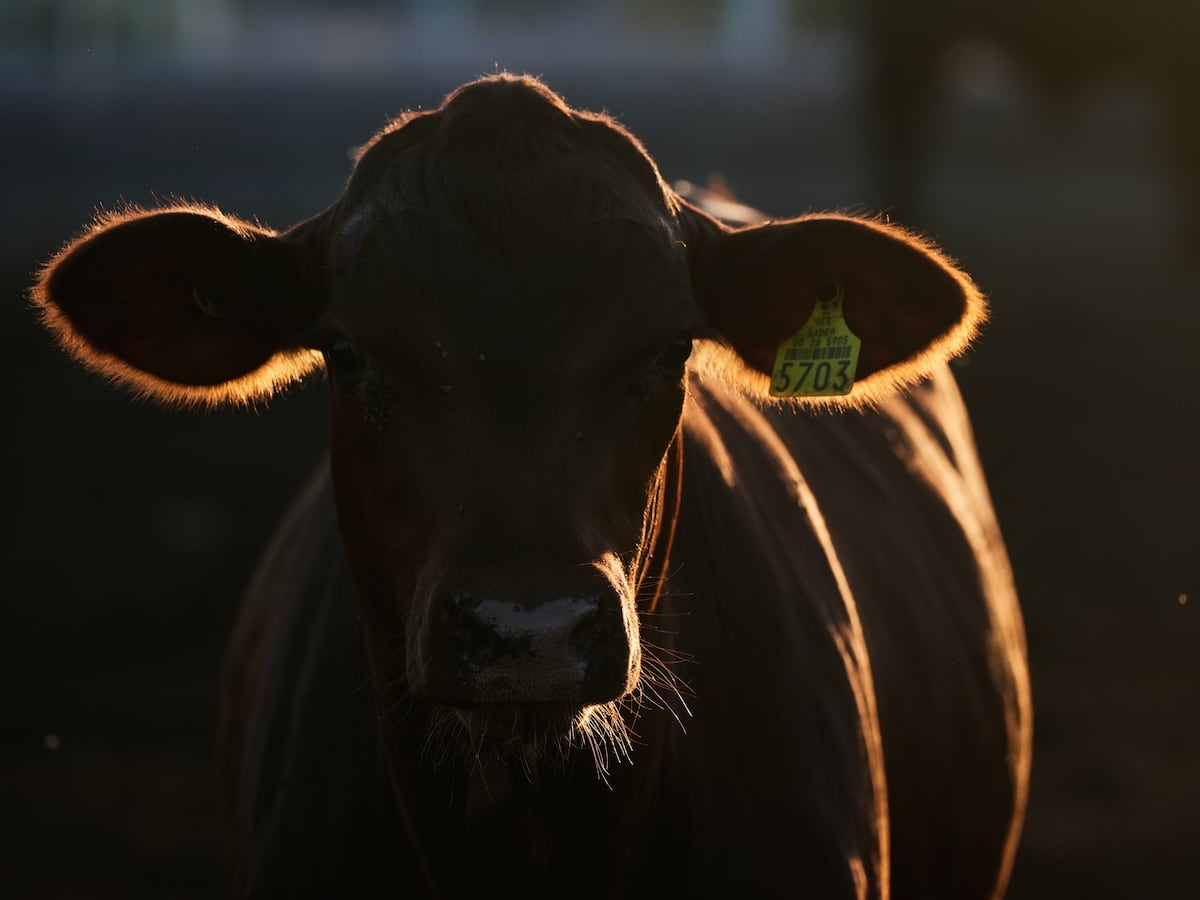
Mexican cattle resumed moving through the border crossing in Columbus, New Mexico, on Monday following an agreement with U.S. agriculture inspectors after a nearly two-year closure. The reopening relies on new safeguards, including pre-border testing, vaccinations, inspections, and insecticide dipping to prevent the spread of the flesh-eating New World screwworm.
Read the full story at WPLG Local 10Why It Matters
The reopening allows cross-border cattle trade and restores regional economic activity tied to the $1 billion local cattle trade, though experts note it will not immediately lower beef prices for consumers.
Key Facts
- Mexican cattle began moving through the border crossing in Columbus, New Mexico, on Monday after being closed for nearly two years.
- The closure and containment efforts were prompted by the spread of the flesh-eating New World screwworm, which threatens the $113 billion U.S. cattle industry.
- The Columbus port is the third to resume Mexican cattle imports under new safeguards, including pre-border tests, shots, and inspections.
- The reopening process includes dipping cattle in vats of insecticide in Mexico to eliminate missed parasites.
- Over 60 screwworm cases have been confirmed in Texas and New Mexico across livestock, pets, and wildlife, including an elk.
- About a third of all Mexican cattle imported to the U.S. annually pass through Columbus and the Santa Teresa port near El Paso.
- The New Mexico Border Authority values the local cattle trade area at $1 billion.
- Another border crossing for cattle in Arizona is scheduled to open in late November.
- The U.S. government is building a $610 million factory in Texas to produce 300 million sterile flies per week to help eradicate the pest.
- U.S. herds have dwindled to record lows due to years of persistent drought, keeping beef prices high despite the border reopening.
Who's Mentioned
locationPanama“Location of existing sterile fly production facilities.”OrganizationNew Mexico Border Authority“State authority commenting on the economic value of the cattle trade.”OrganizationDepartment of Agriculture“Federal department overseeing agricultural inspections and trade.”locationEl Paso“City near the Santa Teresa port.”locationSanta Teresa“Port near El Paso that handles Mexican cattle imports.”locationArizona“State where another border crossing for cattle is due to open in late November.”locationNew Mexico“State where the border crossing and recent screwworm cases are located.”PersonTom Paterson“President of the New Mexico Cattle Grower's Association.”locationTexas“State where the first U.S. screwworm case was confirmed and a sterile fly factor”locationU.S.“Country receiving cattle imports and managing inspection protocols.”PersonGerardo Fierro“Executive director of the New Mexico Border Authority.”locationMexico“Country of origin for imported cattle.”locationColumbus“Location of the border port in New Mexico that reopened for cattle imports.”OrganizationNew Mexico Cattle Grower's Association“Association representing cattle growers in New Mexico.”PersonBrooke Rollins“U.S. Agriculture Secretary.”PersonSamantha Holeck“New Mexico state veterinarian.”PersonDudley Hoskins“Undersecretary for the Department of Agriculture.”