
The civic record
Read. Follow. Verify.BADGES for Native Communities Act
Last action · May 21, 2026: Subcommittee Hearings HeldSponsors: Teresa Leger Fernandez and 9 others
Track this bill to get notified when it advances a stage. One tap to stop, anytime.
What This Bill Would Do
This bill proposes new federal requirements to improve how law enforcement agencies track and report cases involving missing or murdered Indigenous people. It establishes new roles, mandates resource assessments, and creates grant programs to improve coordination between federal and tribal authorities.
The bill mandates federal agencies to improve data collection and coordination on missing persons and death investigations in , which directly impacts the resources and investigative support available to tribal communities.
Who It Would Affect
Groups the bill's text would affect if enacted, as described in the record. Being affected is not a position for or against it.
Tribal Governments
Tribes will coordinate with new federal facilitators and participate in new grant programs for missing persons response.
Bureau of Indian Affairs Law Enforcement
Personnel will be subject to new background check demonstration programs and interdepartmental counseling resource coordination.
Federal Law Enforcement Agencies
Agencies must comply with new reporting requirements and participate in GAO studies regarding evidence handling.
Key Facts
- Requires the Attorney General to appoint one or more Tribal facilitators for the National Missing and Unidentified Persons System.
- Mandates a report on law enforcement personnel resources and needs within Indian country.
- Establishes a demonstration program for Bureau of Indian Affairs law enforcement background checks.
- Creates a grant program to improve coordination in response to missing or murdered persons cases.
Show all 8 facts
- Directs the GAO to study how federal law enforcement agencies collect, handle, and process evidence.
- Requires interdepartmental coordination to provide counseling resources for Bureau of Indian Affairs and tribal law enforcement officers.
- Defines specific categories for cases of interest to Indian Tribes, including missing persons, death investigations, and unclaimed/unidentified remains.
- Provides formal definitions for 'Indian country', 'Indian land', and 'Village' (Alaska Native Village) to clarify jurisdictional scope.
Frequently Asked Questions
What is the main goal of this bill?
Who will be responsible for coordinating these cases?
What else do you want to know?
News Coverage
Bias ratings based on AllSides / Media Bias/Fact Check
Follow the record
Votes, people, money & the original sourceWhere This Stands
Currently in committee. The next step in the legislative lifecycle is Floor Vote.
Procedural history
4 actions- May 21, 2026HouseSubcommittee Hearings Held
- May 12, 2026HouseCommitteeReferred to the Subcommittee on Indian and Insular Affairs.
- Feb 5, 2025HouseCommitteeReferred to the Committee on the Judiciary, and in addition to the Committees on Energy and Commerce, Natural Resources, and Oversight and Government Reform, for a period to be subsequently determined by the Speaker, in each case for consideration of such provisions as fall within the jurisdiction of the committee concerned.
- Feb 5, 2025HouseIntroducedIntroduced in House
Version history
Only one version on file - nothing to compare yet. As later stages (committee substitute, engrossed, enrolled) are captured, the redline appears here.
View official text →Full breakdown
Who this bill affects and the strongest case for and against it, written only from the bill’s own text.
Sponsors
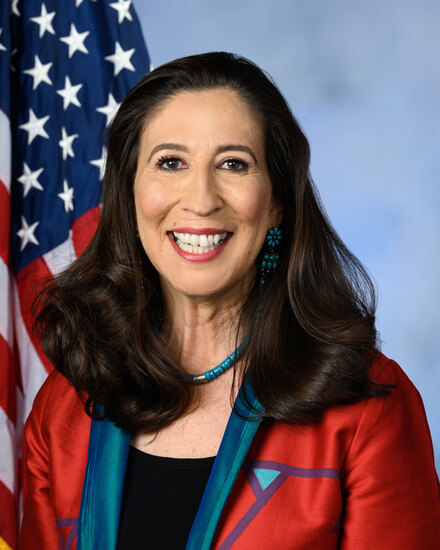


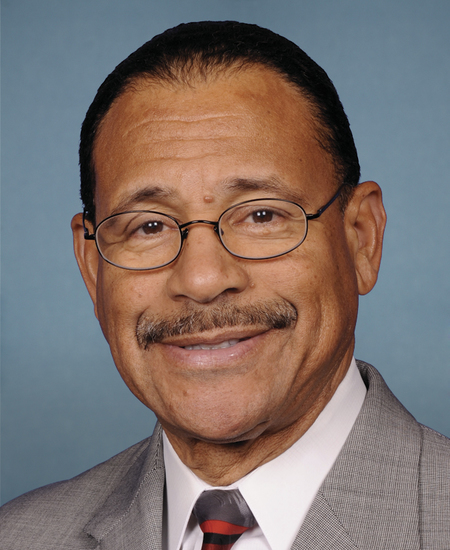
Show 5 more sponsors
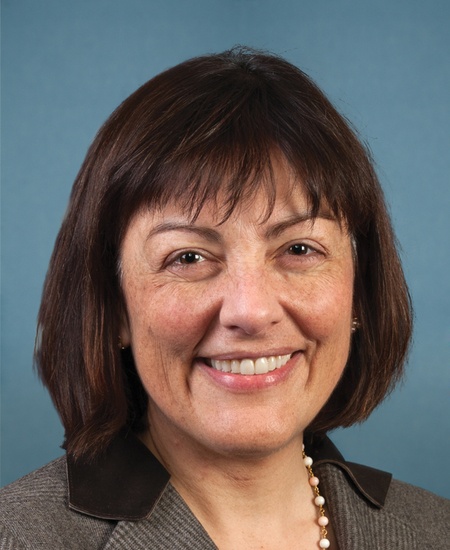
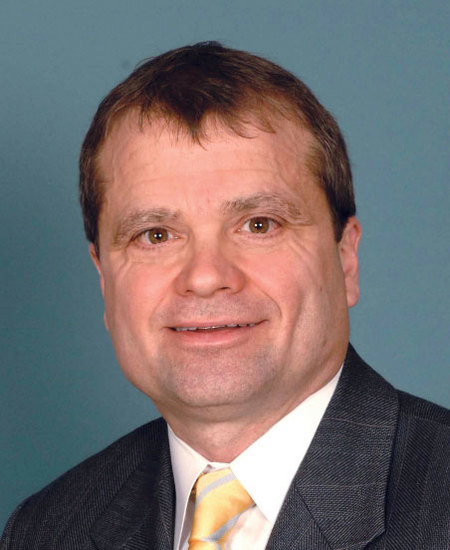
Discoveries
Patterns POLISCOPE noticed across the record. These are observations to investigate, not conclusions.
Focus on Data Interoperability
The bill marks a shift toward formalizing the role of tribal-specific facilitators within federal missing persons databases.
Connected Entities
Sources
www.congress.gov
Analysis Score
0–100- Significance85How much this matters to a regular citizen
- Controversy20Intensity of disagreement among stakeholders
- Entertainment5Compellingness for a non-policy-wonk reader
- Buzz40Current news / social attention level
Publisher tools