
The civic record
Read. Follow. Verify.Maryland creates commission to review racial disparities in criminal justice system
Last action · February 12, 2026: Hearing 2/24 at 1:00 p.m.Sponsors: Charles Sydnor and 1 other
Track this bill to get notified when it advances a stage. One tap to stop, anytime.
What This Bill Would Do
Maryland establishes the Commission to Review and Assess Racial Disparities in the State Criminal Justice System to study disparate treatment of non-White individuals, evaluate sentencing and plea policies, and submit a final report by September 1, 2028. The measure takes effect July 1, 2026, and expires on June 30, 2029.
The state establishes a multi-agency body that will hold at least four public hearings and issue recommendations regarding mandatory minimum sentences, felony murder rules, and risk assessments, directly impacting criminal justice procedures and state-level policy development over a three-year period.
- State study commissions are frequently created by the Maryland General Assembly to evaluate complex policy areas and provide recommendations for future legislation. context
Who It Would Affect
Groups the bill's text would affect if enacted, as described in the record. Being affected is not a position for or against it.
African Americans, Hispanics, and other non-White individuals in the State's criminal justice system
The Commission will study disparate treatment, sentencing impacts, and cumulative effects affecting these groups across all stages of the criminal justice system.
Members of the Senate of Maryland and the House of Delegates
Legislators will appoint commission members, designate cochairs, and receive interim and final reports from the Commission.
Department of Legislative Services
The department is required to provide staff for the Commission with assistance from an academic institution.
Key Facts
- The Act establishes the Commission to Review and Assess Racial Disparities in the State Criminal Justice System.
- The Commission includes members from the General Assembly, the Public Defender, the Attorney General, the courts, prosecutors, sentencing policy officials, public advocates, and nonprofit representatives.
- The President of the Senate and the Speaker of the House each designate a cochair who must have experience in criminal law, judicial matters, and data-driven research.
- The Department of Legislative Services, with assistance from an academic institution such as the University of Maryland or Morgan State University, provides staff for the Commission.
Show all 10 facts
- Commission members receive no compensation but are entitled to expense reimbursement under Standard State Travel Regulations.
- The Commission must study and make recommendations on racial disparities across policing, arrests, charging, pretrial detention, sentencing, supervision, and plea policies.
- The Commission must examine mandatory minimum sentencing, race-neutral risk assessments, judicial discretion, and the felony murder doctrine for non-principals.
- The Commission is required to meet on or before September 16, 2026, meet at least quarterly, and hold at least four public hearings.
- An interim report is due to the General Assembly committees on or before October 1, 2027, and a final report is due on or before September 1, 2028.
- The Act takes effect July 1, 2026, and is abrogated after three years on June 30, 2029.
Frequently Asked Questions
What is the primary purpose of the newly established Commission?
When must the Commission report its findings?
Who serves on the Commission?
What else do you want to know?
News Coverage
Follow the record
Votes, people, money & the original sourceWhere This Stands
Currently filed. The next step in the legislative lifecycle is Committee.
Procedural history
2 actions- Feb 12, 2026SenateHearing 2/24 at 1:00 p.m.
- Feb 6, 2026SenateIntroducedFirst Reading Judicial Proceedings
Version history
Only one version on file - nothing to compare yet. As later stages (committee substitute, engrossed, enrolled) are captured, the redline appears here.
View official text →Lobbying Activity
No state lobbying filings in our records match this bill. Federal lobbying reports (LDA) cover Congress, so they are not listed on state bills.
Full breakdown
Who this bill affects and the strongest case for and against it, written only from the bill’s own text.
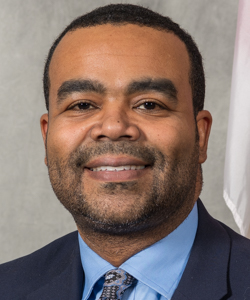
Sponsors

Discoveries
Patterns POLISCOPE noticed across the record. These are observations to investigate, not conclusions.
Comprehensive Criminal Justice Oversight
The bill mandates a systematic review spanning multiple stages of the criminal justice process, from policing and charging to sentencing, risk assessments, and the felony murder doctrine.
Connected Entities
Sources
mgaleg.maryland.gov
Analysis Score
0–100- Significance75How much this matters to a regular citizen
- Controversy45Intensity of disagreement among stakeholders
- Entertainment10Compellingness for a non-policy-wonk reader
- Buzz30Current news / social attention level
Publisher tools