
The civic record
Read. Follow. Verify.Senate Bill 910 creates the Insurance Coverage and Affordability Task Force to review health insurance mandates
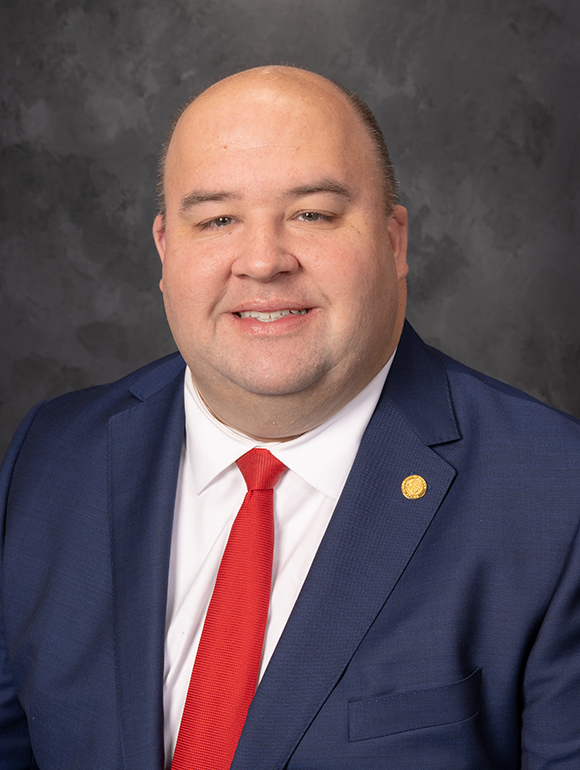
Last action · April 21, 2026: REFERRED TO COMMITTEE ON FINANCE, INSURANCE, AND CONSUMER PROTECTIONSponsor: Michael Webber
Track this bill to get notified when it advances a stage. One tap to stop, anytime.
What This Bill Would Do
Senate Bill 910 creates a multi-stakeholder task force within the to evaluate the social, financial, and medical impacts of any proposed . The task force must complete its reviews within 90 days, report its findings to legislative committee chairs, and conduct a comprehensive evaluation of existing state insurance mandates within two years.
The measure establishes a formal review mechanism that could influence the cost, availability, and scope of health insurance benefits offered by insurers operating in the state. Insurers are explicitly exempted from being assessed for the costs of complying with the task force's operations.
Who It Would Affect
Groups the bill's text would affect if enacted, as described in the record. Being affected is not a position for or against it.
Health insurers and health maintenance organizations
Insurers are represented on the task force, evaluated by its findings on mandated benefits, and explicitly exempted from paying for the task force's administrative costs.
Purchasers and employers
Employers with both 100 or more employees and fewer than 100 employees have designated representatives on the task force to help evaluate the financial impact of health mandates.
Hospitals and medical practitioners
Hospitals, doctors of medicine, doctors of osteopathic medicine, and pharmacists hold appointed seats on the task force to provide professional and clinical perspectives on proposed mandates.
Key Facts
You don't have to trust us. Each fact below is taken straight from the official document - click any one to see the exact passage, highlighted in the original.
Frequently Asked Questions
What is the primary job of the new task force?
Who serves on the insurance coverage and affordability task force?
Will health insurance companies have to pay for the task force's operations?
What else do you want to know?
News Coverage
Follow the record
Votes, people, money & the original sourceWhere This Stands
Currently in committee. The next step in the legislative lifecycle is Floor Vote.
Procedural history
2 actions- Apr 21, 2026SenateCommitteeREFERRED TO COMMITTEE ON FINANCE, INSURANCE, AND CONSUMER PROTECTION
- Apr 21, 2026SenateIntroducedINTRODUCED BY SENATOR MICHAEL WEBBER
Version history
Only one version on file - nothing to compare yet. As later stages (committee substitute, engrossed, enrolled) are captured, the redline appears here.
View official text →Lobbying Activity
No state lobbying filings in our records match this bill. Federal lobbying reports (LDA) cover Congress, so they are not listed on state bills.
Full breakdown
Who this bill affects and the strongest case for and against it, written only from the bill’s own text.
Sponsors
Connected Entities
Sources
legislature.mi.gov
Analysis Score
0–100- Significance55How much this matters to a regular citizen
- Controversy25Intensity of disagreement among stakeholders
- Entertainment5Compellingness for a non-policy-wonk reader
- Buzz30Current news / social attention level
Publisher tools