
The civic record
Read. Follow. Verify.Safe Workplaces Act (H.R. 8669)
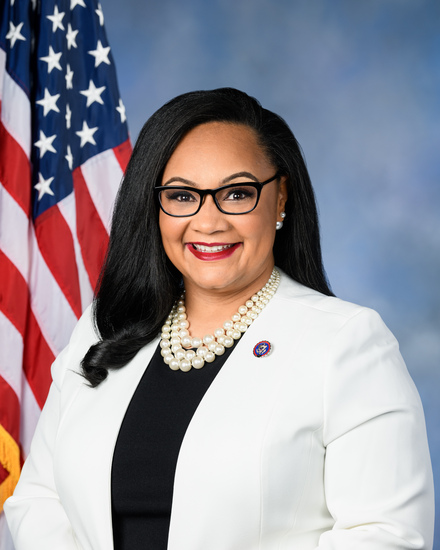
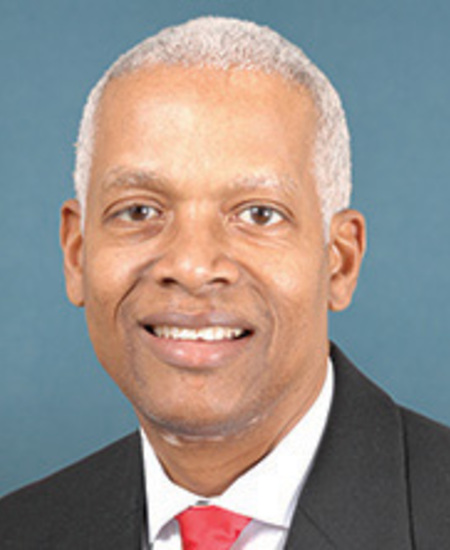
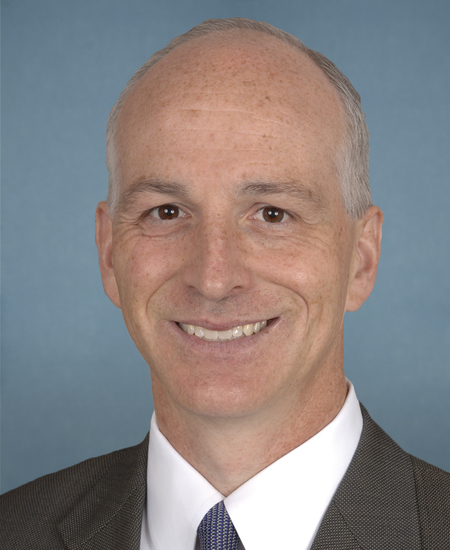
Last action · June 7, 2024: Referred to the House Committee on Education and the Workforce.Sponsors: Joe Neguse and 3 others
Track this bill to get notified when it advances a stage. One tap to stop, anytime.
What This Bill Would Do
This bill directs the Department of Labor to study workplace violence and issue for employers on how to reduce these risks. The guidance would be tailored to specific industries, such as retail, healthcare, and schools, and would focus on physical security measures and staff training.
If passed, this bill would require the federal government to create official, non-binding recommendations for employers across various industries to help them implement security measures and safety protocols to reduce workplace violence.
Who It Would Affect
Groups the bill's text would affect if enacted, as described in the record. Being affected is not a position for or against it.
Employers
Employers in the listed industries will receive federal guidance on safety practices and security controls.
Employees
Employees may be subject to new workplace procedures or safety training if their employers choose to adopt the federal guidance.
Key Facts
- The bill requires the Director of the National Institute for Occupational Safety and Health (NIOSH) to conduct a study on reducing workplace violence.
- A report on the study's findings and recommendations must be submitted to the Secretary of Labor and relevant Congressional committees within 15 months of enactment.
- The Secretary of Labor, through OSHA, must issue non-mandatory guidance on workplace violence prevention within 4 years of enactment.
- The guidance must be differentiated to account for unique risks in various industries, including retail, healthcare, schools, and religious facilities.
Show all 9 facts
- The Secretary must consider engineering controls (e.g., barriers, weapon detectors) and environmental risk factors when developing the guidance.
- Workplace violence is defined as any act or threat of violence occurring at a workplace or during service performance, excluding lawful self-defense.
- Engineering controls are defined as physical barriers or devices, such as shatter-resistant glass, security cameras, and electronic access controls.
- Work practice controls are defined as procedures like staffing levels, security personnel, and de-escalation training.
- The guidance is explicitly non-mandatory for employers.
Frequently Asked Questions
Will this bill force my employer to change their security policies?
What industries are covered by this bill?
What is considered a 'dangerous weapon' under this bill?
What else do you want to know?
News Coverage
Follow the record
Votes, people, money & the original sourceWhere This Stands
Currently in committee. The next step in the legislative lifecycle is Floor Vote.
Procedural history
2 actions- Jun 7, 2024HouseCommitteeReferred to the House Committee on Education and the Workforce.
- Jun 7, 2024HouseIntroducedIntroduced in House
Version history
Only one version on file - nothing to compare yet. As later stages (committee substitute, engrossed, enrolled) are captured, the redline appears here.
View official text →Full breakdown
Who this bill affects and the strongest case for and against it, written only from the bill’s own text.
Sponsors

Discoveries
Patterns POLISCOPE noticed across the record. These are observations to investigate, not conclusions.
Focus on Non-Mandatory Standards
The bill explicitly avoids creating new federal mandates, opting instead for a study-and-guidance approach to workplace safety.
Connected Entities
Sources
www.congress.gov
Analysis Score
0–100- Significance40How much this matters to a regular citizen
- Controversy20Intensity of disagreement among stakeholders
- Entertainment5Compellingness for a non-policy-wonk reader
- Buzz15Current news / social attention level
Publisher tools