
The civic record
Read. Follow. Verify.Senate joint resolution directs President to remove U.S. Armed Forces from unauthorized hostilities with Iran
Last action · July 30, 2026: Motion to discharge Senate Committee on Foreign Relations rejected by Yea-Nay Vote. 49 - 50. Record Vote Number: 216. (consideration: CR S4357)Sponsors: Kirsten Gillibrand and 8 others
Track this bill to get notified when it advances a stage. One tap to stop, anytime.
What This Bill Would Do
This joint resolution directs the President to remove U.S. Armed Forces from against Iran within the framework of the War Powers Resolution unless Congress enacts a declaration of war or a specific authorization for the use of military force. The measure exempts defensive actions, intelligence sharing, and defensive military assistance for allies from the removal requirement.
The measure establishes a statutory directive forcing a cessation of ongoing military operations involving tens of thousands of deployed troops and combat casualties unless Congress votes to authorize the conflict.
- The War Powers Resolution of 1973 is a federal law intended to check the U.S. President's power to commit the United States to an armed conflict without the consent of the U.S. Congress. context
Who It Would Affect
Groups the bill's text would affect if enacted, as described in the record. Being affected is not a position for or against it.
United States Armed Forces
Service members face mandated removal from hostilities in or against Iran unless Congress passes a declaration of war or specific military force authorization.
President
The executive branch is directed to remove armed forces from unauthorized hostilities unless specific legislative authorization is enacted.
Key Facts
You don't have to trust us. Each fact below is taken straight from the official document - click any one to see the exact passage, highlighted in the original.
Frequently Asked Questions
Does this resolution stop the U.S. from defending itself or its allies if attacked?
What is required for U.S. Armed Forces to legally continue hostilities under this measure?
What else do you want to know?
News Coverage
Follow the record
Votes, people, money & the original sourceWhere This Stands
Currently in committee. The next step in the legislative lifecycle is Floor Vote.
Procedural history
4 actions- Jul 30, 2026SenateMotion to discharge Senate Committee on Foreign Relations rejected by Yea-Nay Vote. 49 - 50. Record Vote Number: 216. (consideration: CR S4357)
- Jul 30, 2026SenateMotion to discharge Senate Committee on Foreign Relations made. (Pursuant to 50 U.S.C. 1546a, Department of State Authorization Act). (consideration: CR S4356-4357)
- Apr 13, 2026SenateCommitteeRead twice and referred to the Committee on Foreign Relations.
- Apr 13, 2026SenateIntroducedIntroduced in Senate
Version history
Only one version on file - nothing to compare yet. As later stages (committee substitute, engrossed, enrolled) are captured, the redline appears here.
View official text →Voting Record
On the Motion to Discharge S.J.Res. 181
Total
100
- Yes
- 49
- No
- 50
- Present
- 0
- Not voting
- 1
- Abstain
- 0
How they voted (98)
























74 more members





































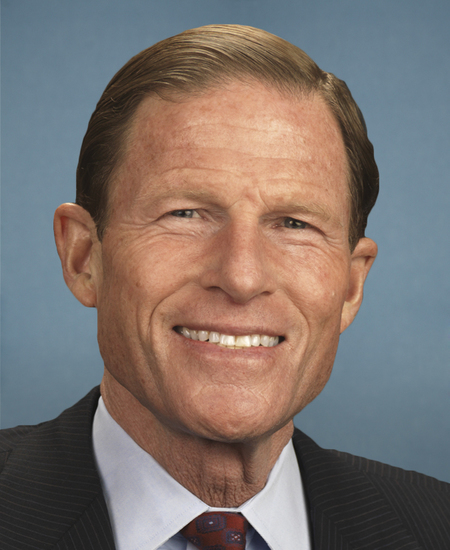






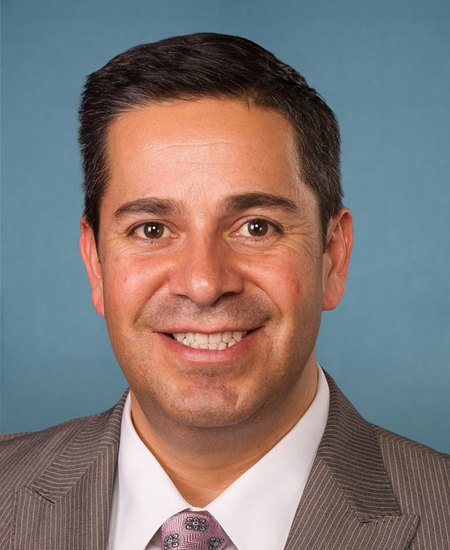


















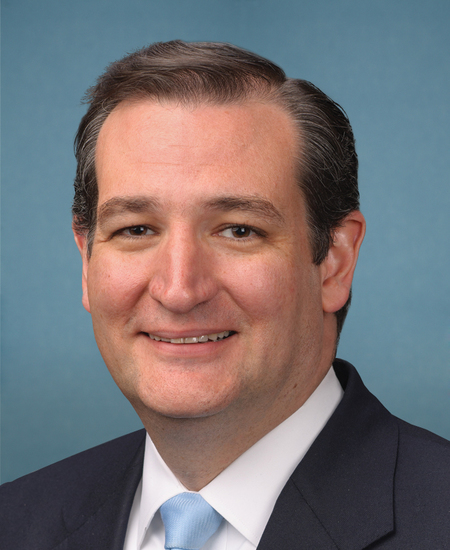






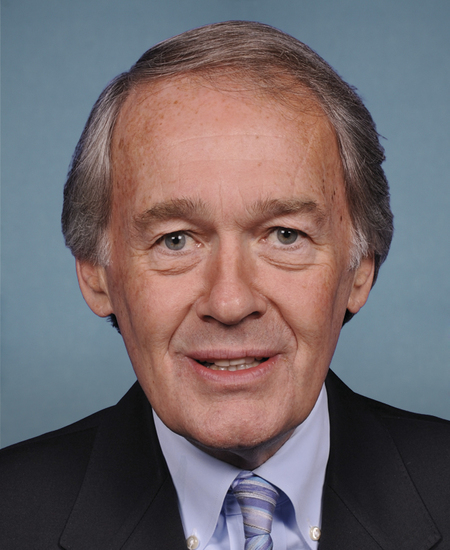


Full breakdown
Who this bill affects and the strongest case for and against it, written only from the bill’s own text.
Sponsors
Connected Entities
Sources
www.congress.gov
Analysis Score
0–100- Significance95How much this matters to a regular citizen
- Controversy90Intensity of disagreement among stakeholders
- Entertainment30Compellingness for a non-policy-wonk reader
- Buzz85Current news / social attention level
Publisher tools