
The civic record
Read. Follow. Verify.Michigan expands petition rights for continued involuntary mental health treatment to additional health…
Last action · May 21, 2025: referred to Committee on Health PolicySponsors: Paul Wojno and 3 others
Track this bill to get notified when it advances a stage. One tap to stop, anytime.
What This Bill Would Do
Senate Bill 222 expands the list of health professionals—including physicians, psychologists, and s supervising —who are authorized or required to file petitions for second or continuing orders of involuntary mental health treatment at least 14 days before an existing order expires. The bill also specifies that current involuntary treatment orders remain in effect until pending renewal petitions are resolved, and defines specific qualifications for psychiatric nurse practitioners and qualified health professionals.
Expands the types of medical practitioners who can initiate legal filings to extend court-ordered mental health treatment, potentially altering administrative workflows for mental health facilities and the clinical evaluation process for patients under supervision.
Who It Would Affect
Groups the bill's text would affect if enacted, as described in the record. Being affected is not a position for or against it.
Individuals under involuntary mental health treatment orders
Their treatment orders remain in effect while renewal petitions are pending, and petitions for continued treatment may be filed by an expanded group of health professionals.
Physicians, psychologists, and qualified health professionals
They gain the specific authority or requirement to file petitions for continuing involuntary mental health treatment and execute clinical certificates.
Hospital directors and agencies
Their responsibilities and petition workflows for involuntary mental health treatment orders are shared with or expanded to include additional health care providers.
Key Facts
- Expands the authority to file petitions for second or continuing orders of involuntary mental health treatment to include physicians, psychologists, and qualified health professionals supervising assisted outpatient treatment.
- Requires renewal petitions to be filed not less than 14 days before the expiration of an initial, second, or continuing order of involuntary mental health treatment.
- Permits individuals 18 years of age or older to file a petition for a second or continuing order for involuntary mental health treatment under specific assisted outpatient treatment provisions.
- Mandates that renewal petitions include a statement of reasons, a description of the treatment program provided, the results, and a clinical estimate of future treatment duration.
Show all 9 facts
- Requires renewal petitions to be accompanied by a clinical certificate executed by a psychiatrist, physician, psychologist, or qualified health professional.
- Requires evidence that the professional executing the clinical certificate examined the individual and discussed findings and treatment programs with a psychiatrist, with an exception for physicians who are psychiatrists.
- Specifies that existing involuntary mental health treatment orders remain in full force and effect until any pending petition for a continuing order is resolved.
- Defines 'psychiatric nurse practitioner' as a registered professional nurse with specialty certification and training in mental health.
- Defines 'qualified health professional' to include psychiatric nurse practitioners acting under a psychiatrist's delegation or physician's assistants acting pursuant to a practice agreement.
Frequently Asked Questions
Who is newly authorized to file petitions for continuing involuntary mental health treatment?
What happens to an existing involuntary treatment order while a renewal petition is pending?
How far in advance must a petition for continuing treatment be filed?
What else do you want to know?
News Coverage
Follow the record
Votes, people, money & the original sourceWhere This Stands
Currently passed chamber. The next step in the legislative lifecycle is Law.
Procedural history
11 actions- May 21, 2025HouseCommitteereferred to Committee on Health Policy
- May 21, 2025HouseIntroducedread a first time
- May 21, 2025Housereceived on 05/21/2025
- May 21, 2025SenateFloorPASSED ROLL CALL # 152 YEAS 37 NAYS 0 EXCUSED 0 NOT VOTING 0
- May 20, 2025SenatePLACED ON ORDER OF THIRD READING WITH SUBSTITUTE (S-1)
- May 20, 2025SenateSUBSTITUTE (S-1) CONCURRED IN
Show 5 earlier actions
- May 20, 2025SenateREPORTED BY COMMITTEE OF THE WHOLE FAVORABLY WITH SUBSTITUTE (S-1)
- May 8, 2025SenateCommitteeREFERRED TO COMMITTEE OF THE WHOLE
- May 8, 2025SenateCommitteeREPORTED FAVORABLY WITHOUT AMENDMENT 5/7/2025
- Apr 17, 2025SenateCommitteeREFERRED TO COMMITTEE ON HEALTH POLICY
- Apr 17, 2025SenateIntroducedINTRODUCED BY SENATOR PAUL WOJNO
Version history
Only one version on file - nothing to compare yet. As later stages (committee substitute, engrossed, enrolled) are captured, the redline appears here.
View official text →Voting Record
PASSED ROLL CALL # 152 YEAS 37 NAYS 0 EXCUSED 0 NOT VOTING 0
Total
37
- Yes
- 37
- No
- 0
- Present
- 0
- Not voting
- 0
- Abstain
- 0
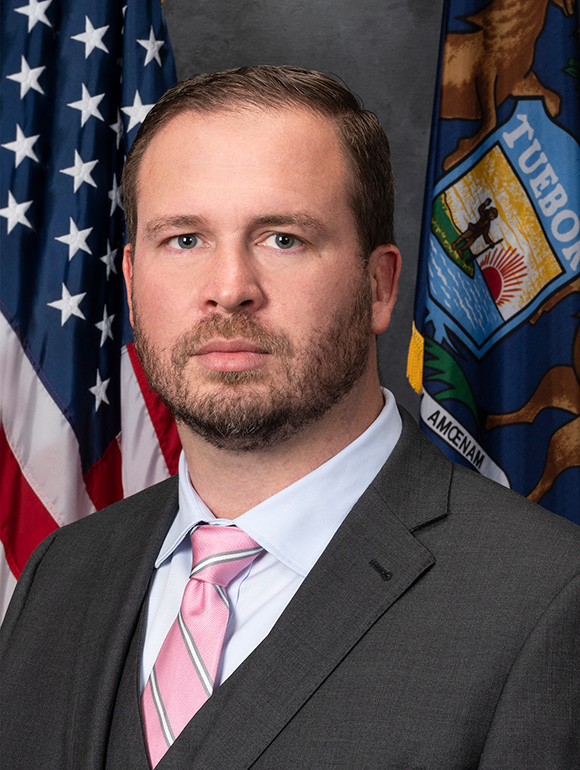
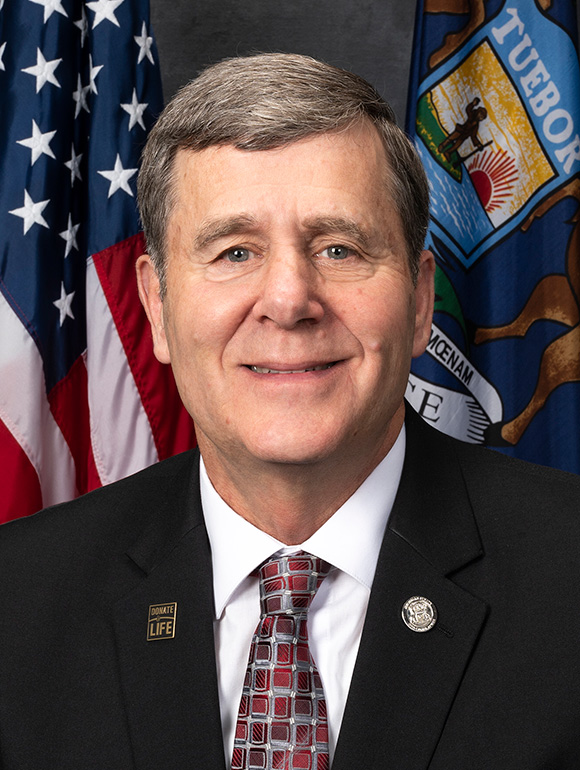
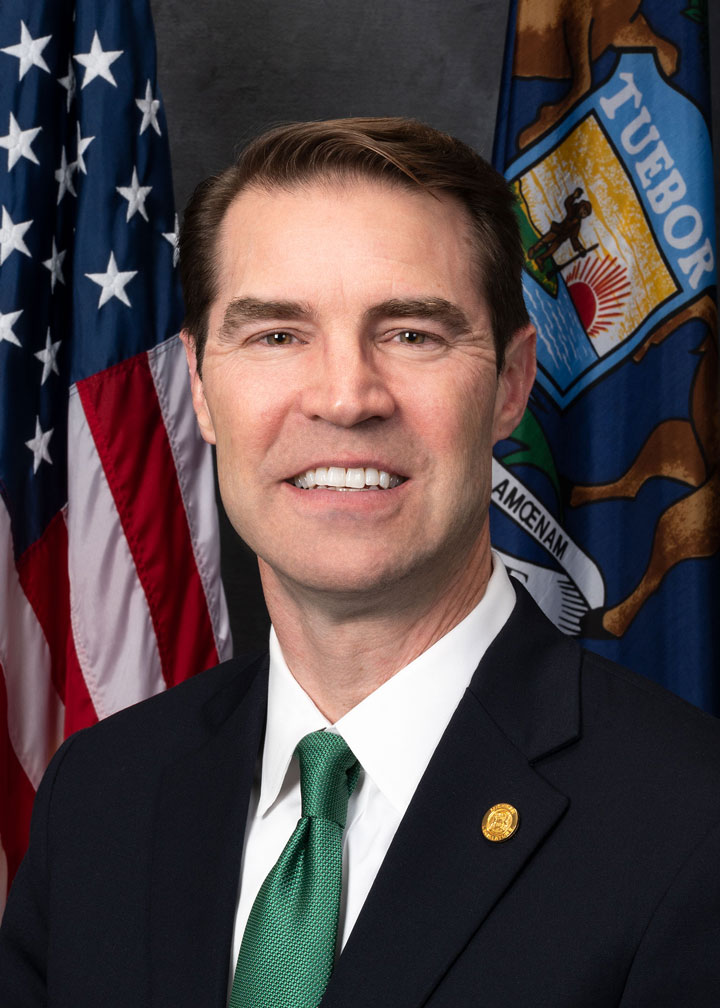
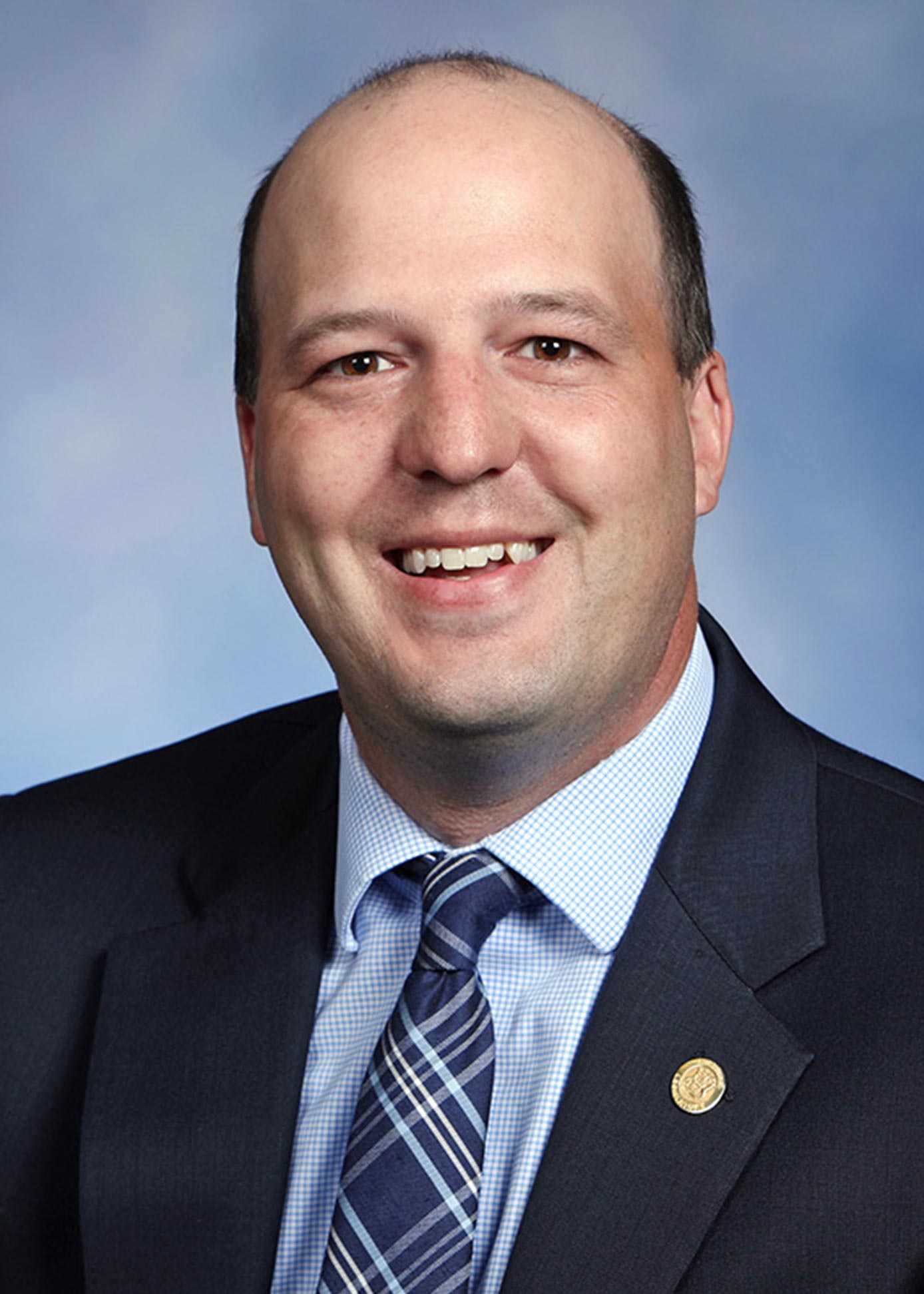
How they voted (37)
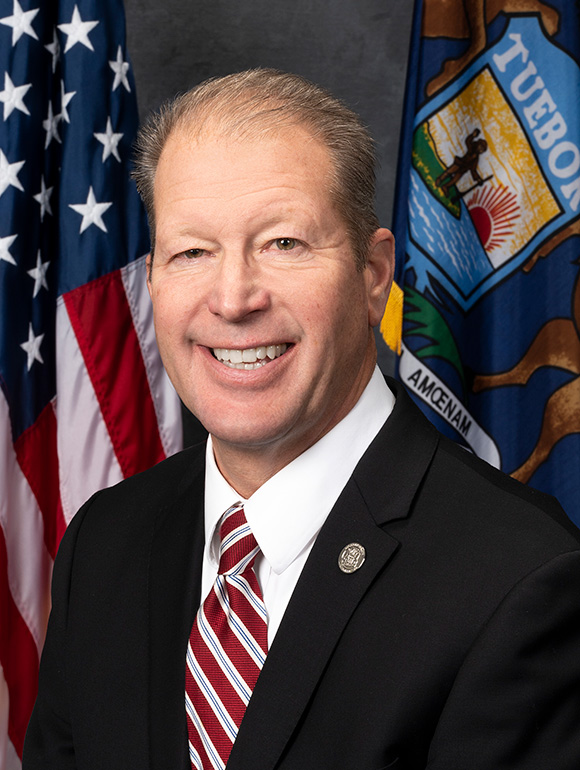

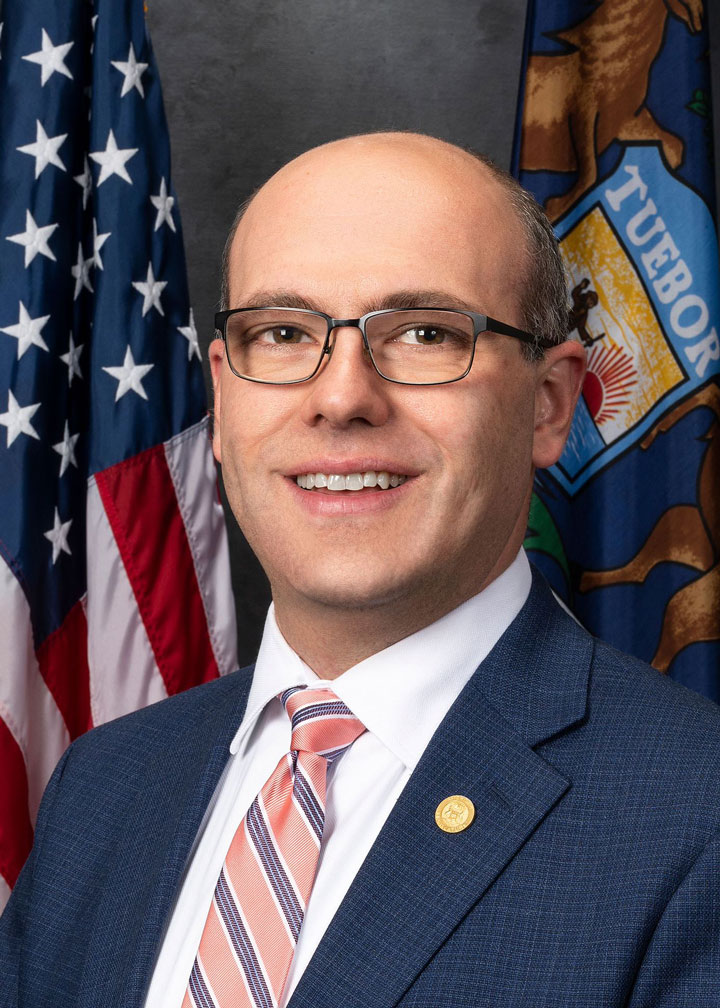


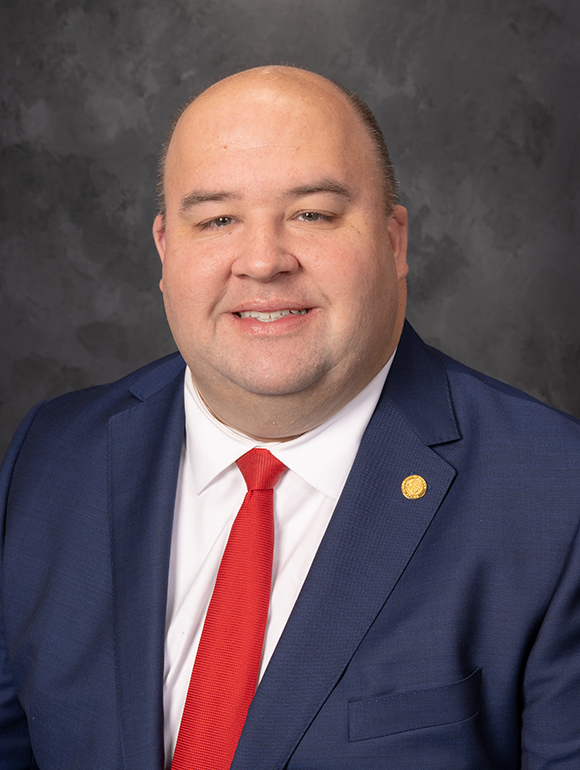
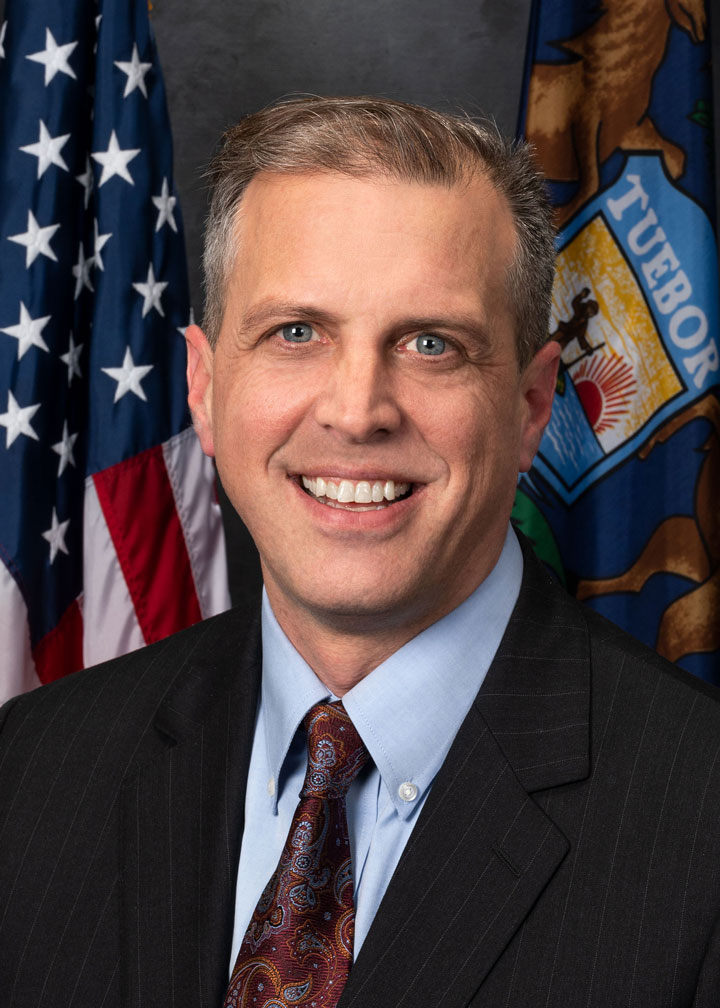
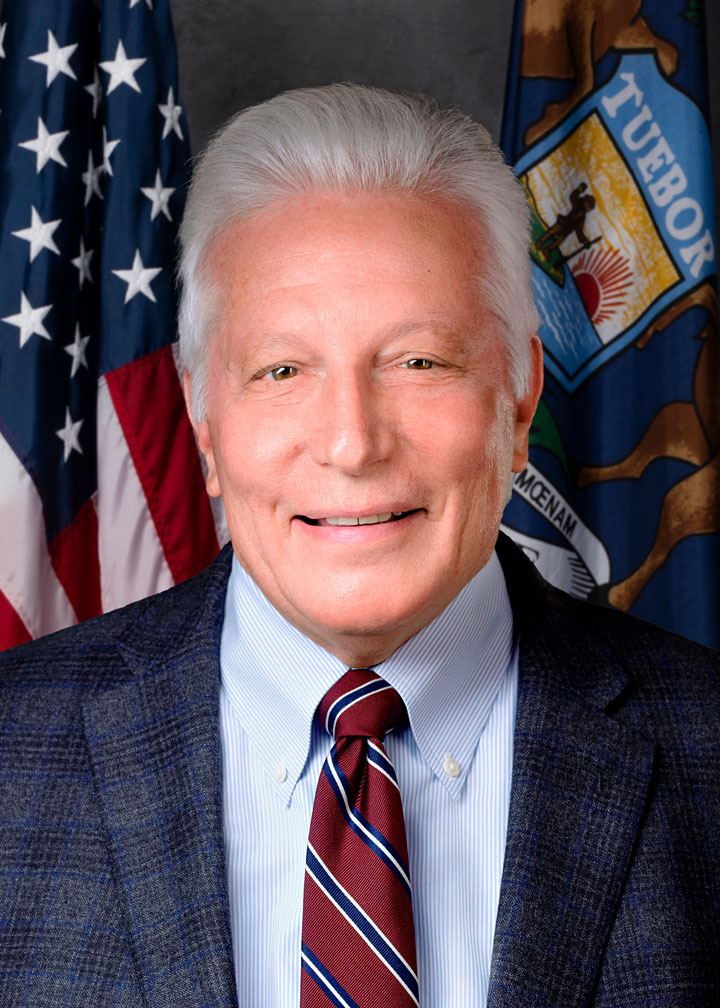

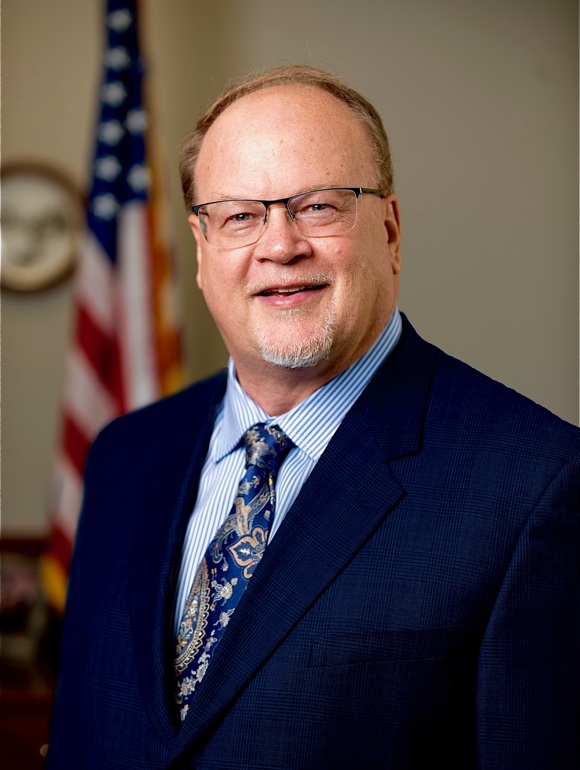
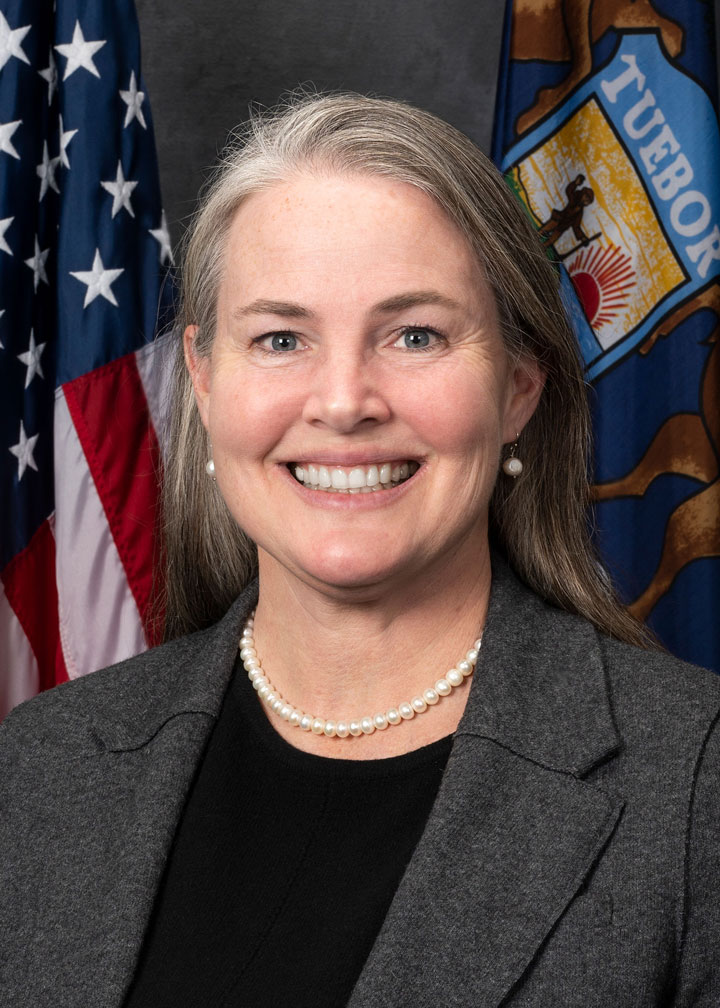

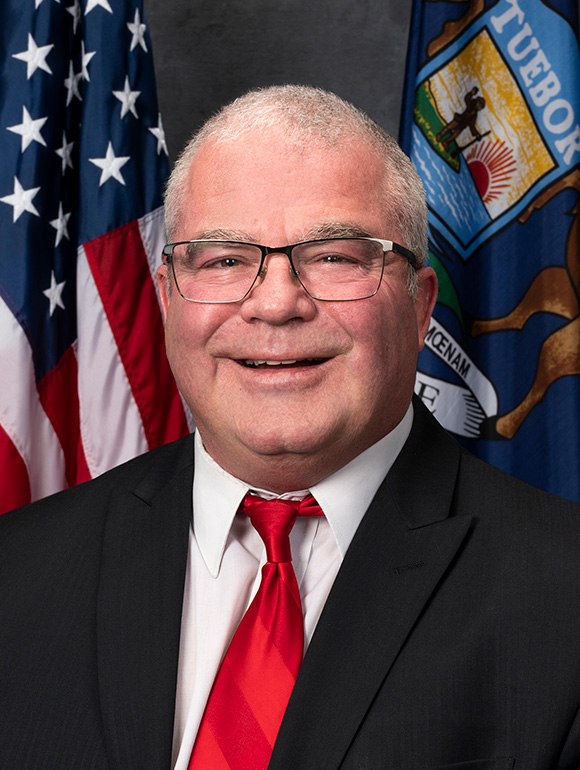






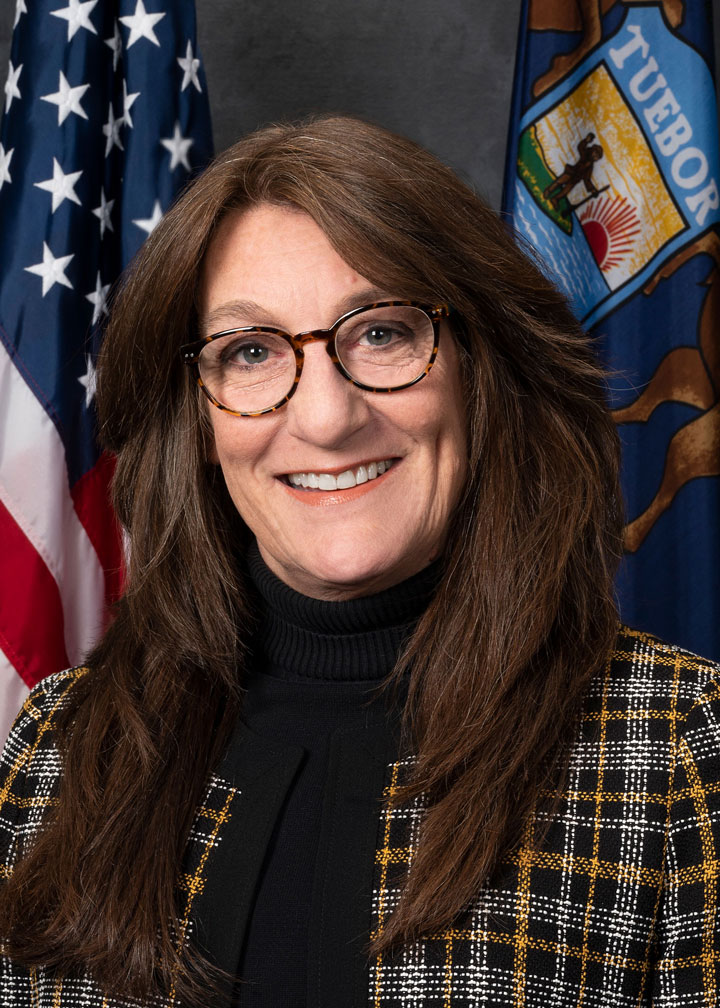
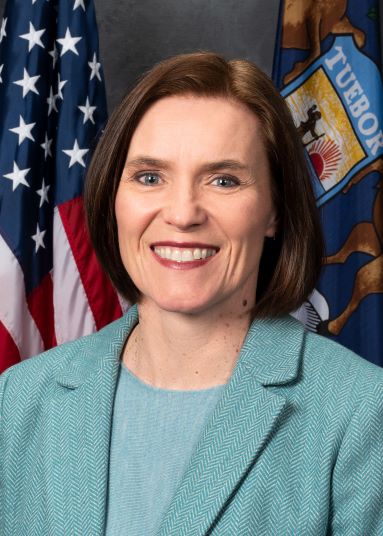
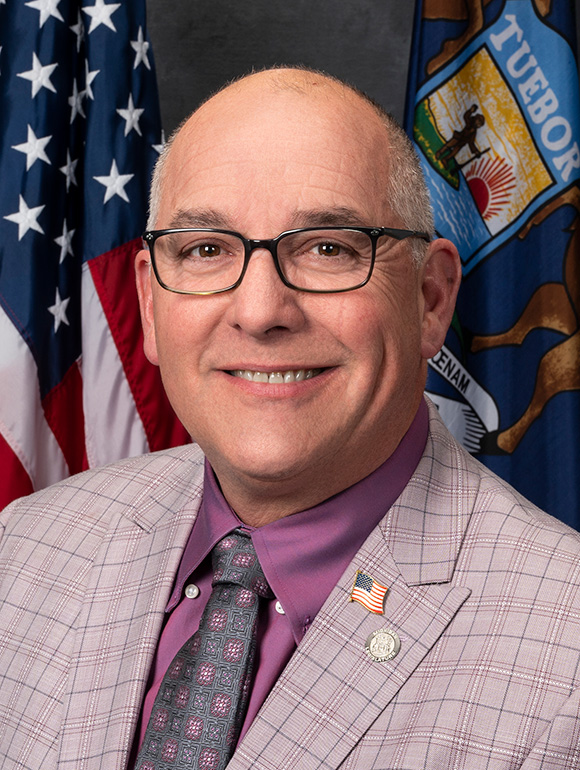
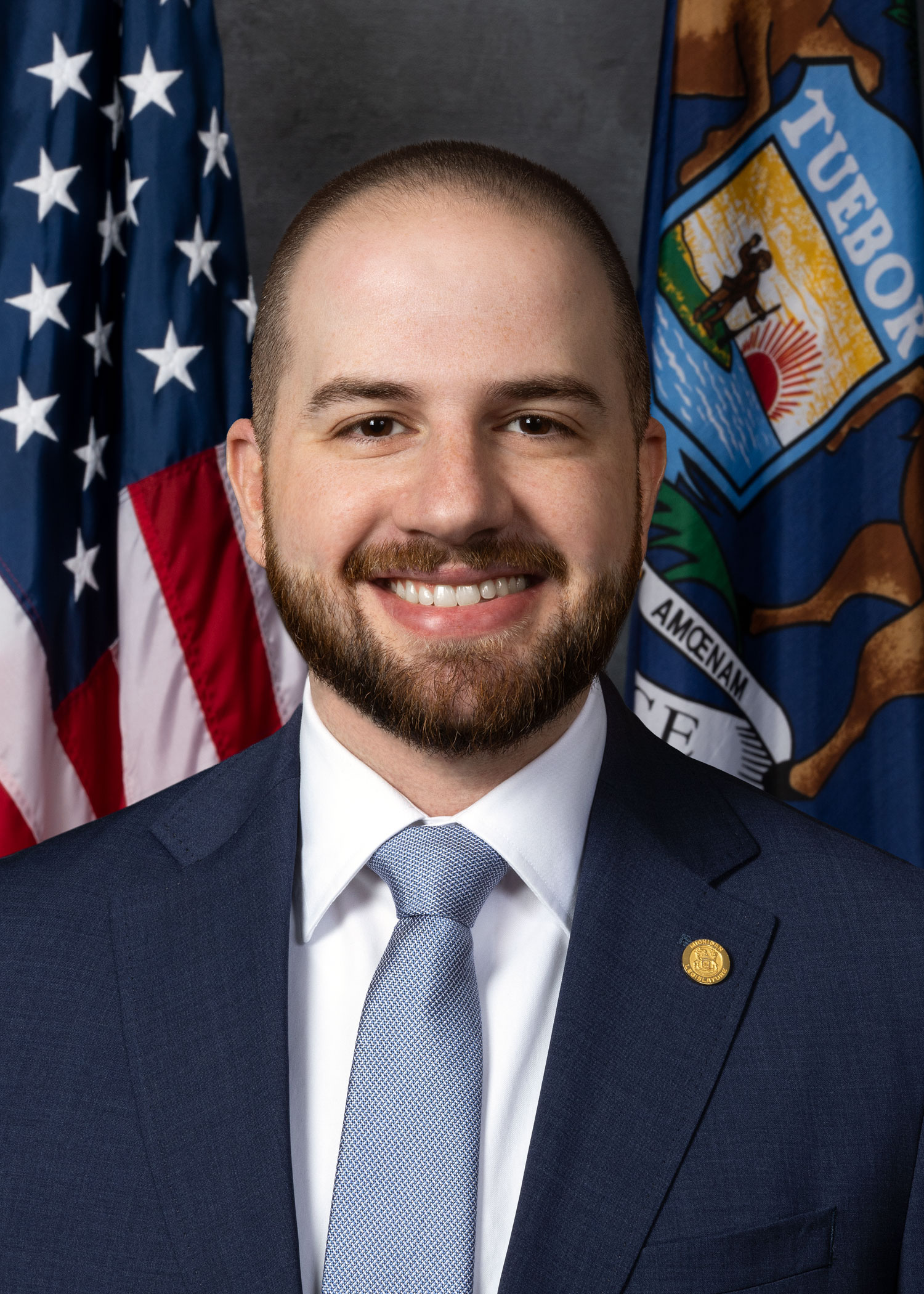
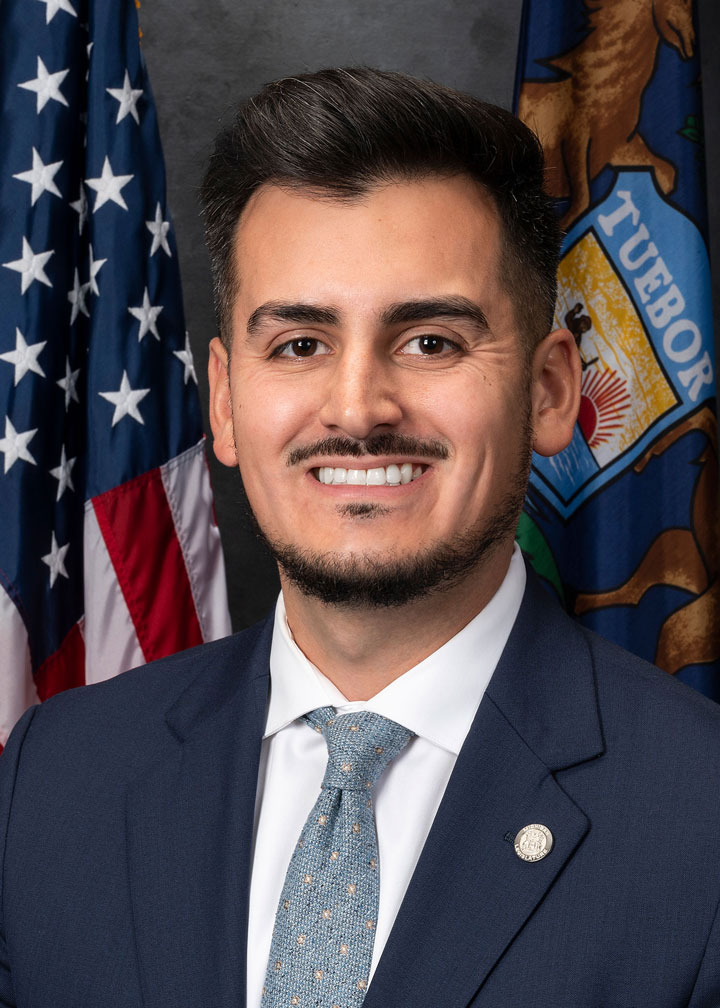
13 more members


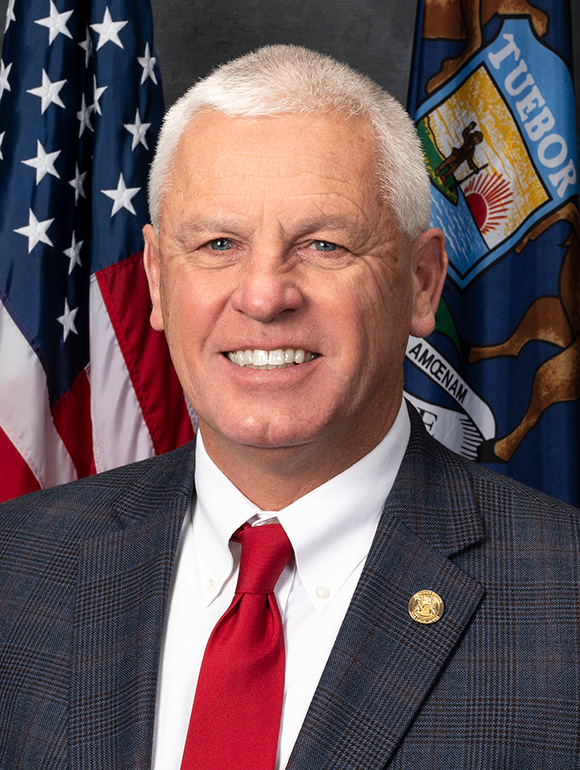

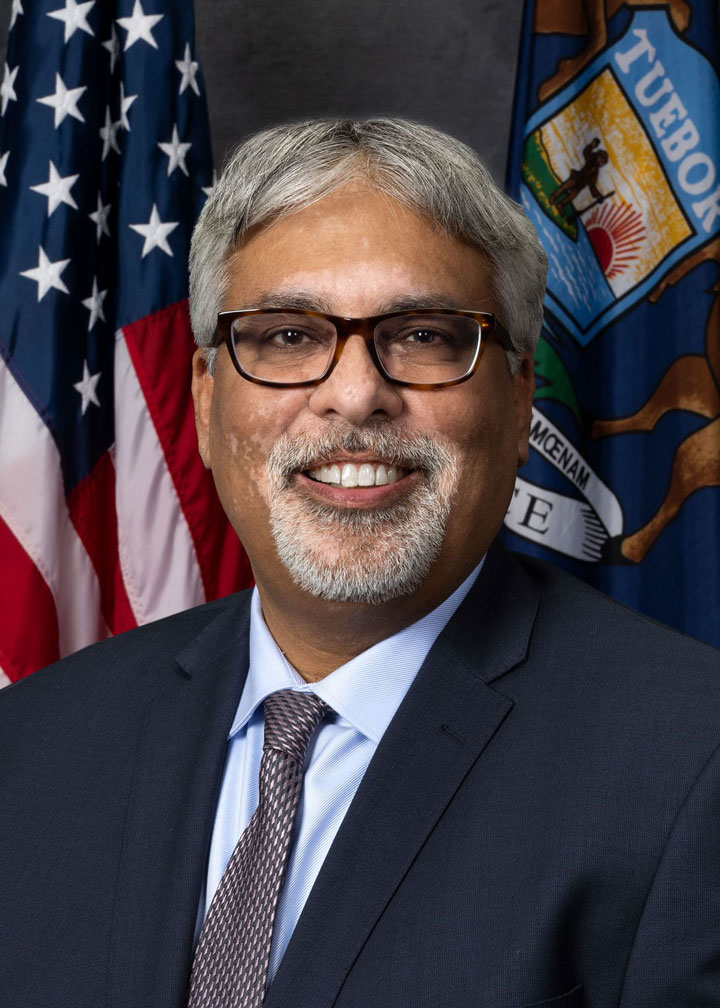

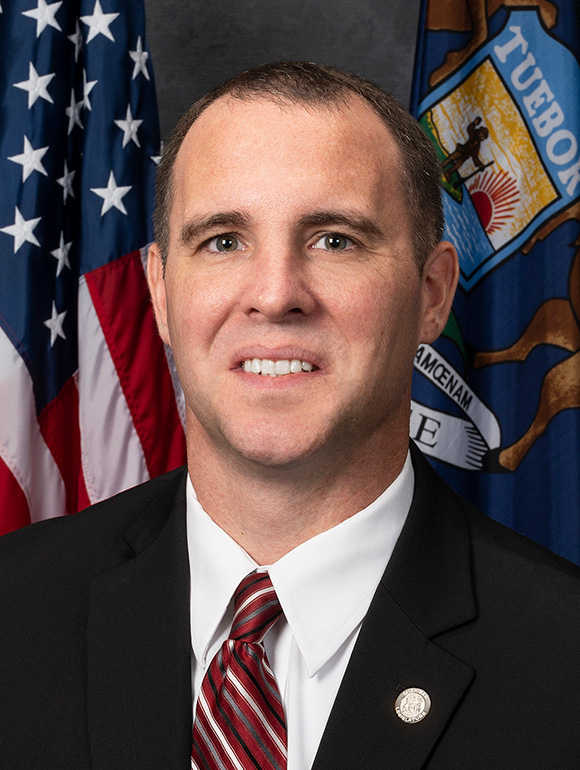


Lobbying Activity
No state lobbying filings in our records match this bill. Federal lobbying reports (LDA) cover Congress, so they are not listed on state bills.
Full breakdown
Who this bill affects and the strongest case for and against it, written only from the bill’s own text.
Sponsors
Connected Entities
Sources
legislature.mi.gov
Analysis Score
0–100- Significance45How much this matters to a regular citizen
- Controversy15Intensity of disagreement among stakeholders
- Entertainment5Compellingness for a non-policy-wonk reader
- Buzz25Current news / social attention level
Publisher tools