
NewsLa OpiniónNovember 15, 2026Los Angeles County
Political Sociologist Larry Diamond Discusses Potential Turning Point in Global Democratic Recession
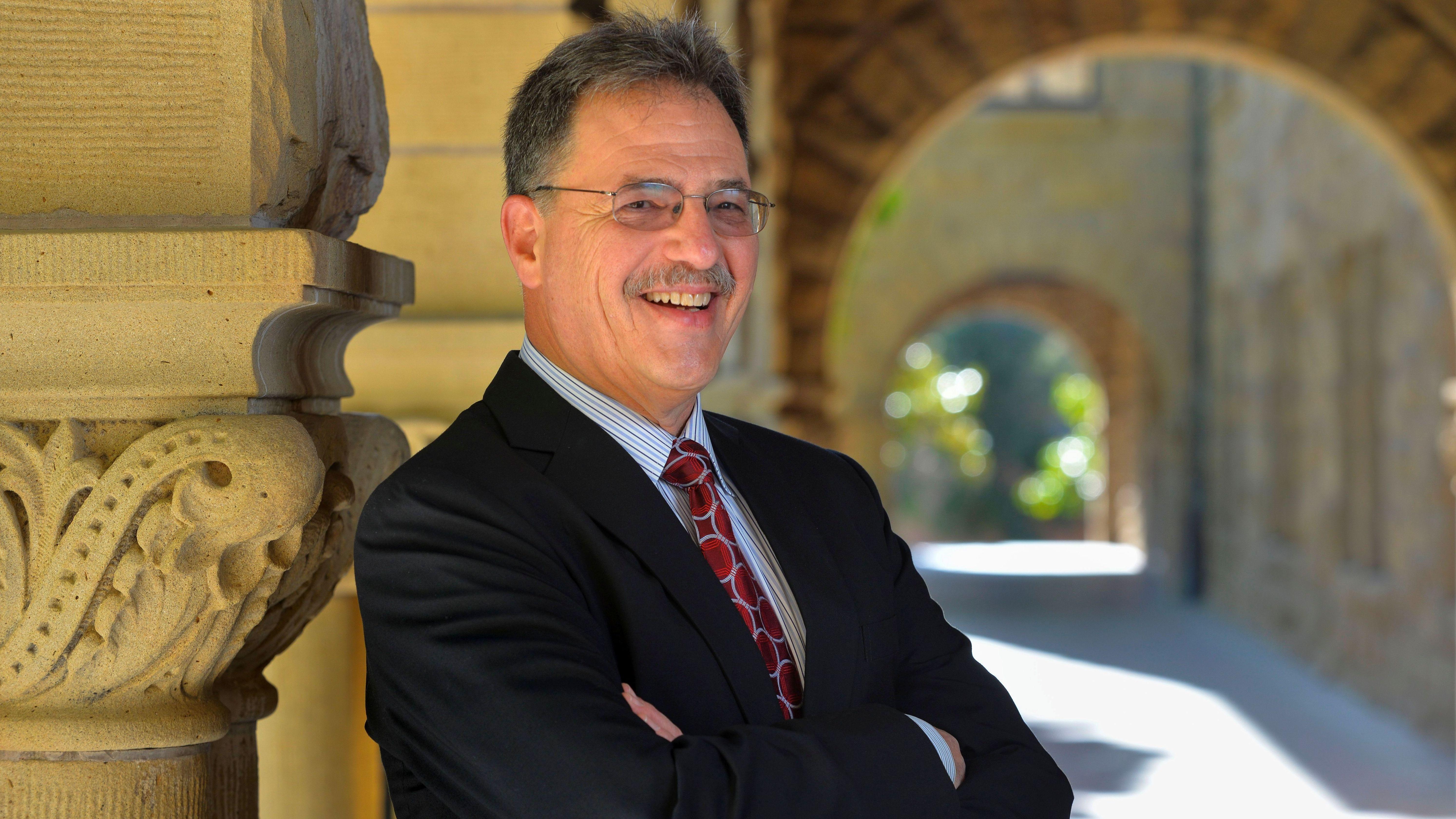
Photo: La Opinión
Political sociologist Larry Diamond suggests that October 25 could mark the beginning of the end of a two-decade global democratic recession, citing simultaneous political developments in Serbia, Brazil, and Venezuela. According to Diamond, while the global shift from autocracy remains uncertain, recent electoral outcomes and political movements in several countries indicate a possible reversal in global democratic trends.
Read the full story at La OpiniónWhy It Matters
The analysis outlines potential shifts in global governance and international relations, affecting political stability and diplomatic strategies across multiple continents.
Key Facts
- Larry Diamond identifies three historical waves of global democratization: the first from the 18th century to the 1920s, the second following World War II until the 1960s, and the third starting in 1974 and lasting until 2006.
- The global democratic recession began around 2006, characterized by a decrease in democracies and an increase in autocracy through the gradual erosion of checks and balances.
- Competitive authoritarianism or electoral authoritarianism emerged in countries such as Hungary, Turkey, India, Mexico, and Indonesia.
- On October 25, student protesters in Serbia won parliamentary elections against Prime Minister Aleksandar Vučić's administration.
- On the same day in Brazil, President Lula da Silva won the presidential runoff election against Flávio Bolsonaro.
- On October 25, Venezuelan opposition leader María Corina Machado entered the country to organize citizens for a democratic transition.
- Larry Diamond views the U.S. mid-term elections and Donald Trump's political standing as significant elements regarding the potential reversal of authoritarian trends.
- Diamond notes that international trust in the United States has declined over the past decade, requiring a more collaborative and horizontal global coalition for supporting democracy.
Who's Mentioned
PersonJair Bolsonaro“Former president of Brazil.”OrganizationStanford University“Academic institution where Larry Diamond works.”PersonDonald Trump“Former and prospective U.S. President.”locationVenezuela“Country experiencing democratic opposition mobilization and contested election r”PersonMadeleine Albright“Former U.S. Secretary of State.”OrganizationFreeman Spogli Institute for International Studies“Institute at Stanford University.”PersonAleksandar Vučić“Prime Minister of Serbia.”locationIndia“Country noted as having crossed the line into competitive authoritarianism.”locationSerbia“Country where students won parliamentary elections.”PersonLarry Diamond“Political sociologist at Stanford University and senior fellow at the Hoover Ins”OrganizationHoover Institution“Research institution associated with Larry Diamond.”locationPoland“Country noted for nearly transitioning to competitive authoritarianism.”locationHungary“Country noted for shifts toward competitive authoritarianism.”locationIndonesia“Country noted as moving toward competitive authoritarianism.”PersonFlávio Bolsonaro“Right-wing populist politician in Brazil and son of Jair Bolsonaro.”locationTurkey“Country noted for shifts toward competitive authoritarianism.”OrganizationJournal of Democracy“Publication where Larry Diamond recently published an article.”locationBrazil“Country that held a presidential runoff election.”PersonMaría Corina Machado“Democratic opposition leader in Venezuela.”locationMexico“Country noted as having crossed the line into competitive authoritarianism.”PersonNicolas Maduro“President of Venezuela.”PersonLula da Silva“President of Brazil.”PersonViktor Orban“Prime Minister of Hungary.”