
The civic record
Read. Follow. Verify.Tipped Employee Protection Act (H.R. 2312)
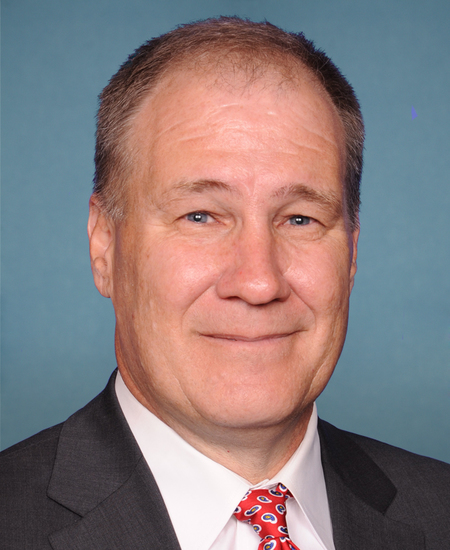
Last action · January 13, 2026: POSTPONED PROCEEDINGS - Pursuant to clause 1(c) of rule XIX, the Chair announced that further proceedings on H.R. 2312 is postponed.Sponsors: Steve Womack and 6 others
Track this bill to get notified when it advances a stage. One tap to stop, anytime.
What This Bill Would Do
This bill proposes changes to how federal law defines a '' by linking their total compensation—including tips and cash wages—to the federal minimum wage. It also allows employers to choose the time period used to calculate whether an employee meets the criteria for being a tipped worker.
This bill would change the legal criteria for classifying s, potentially affecting how employers calculate wage requirements and compliance with the Fair Labor Standards Act.
Who It Would Affect
Groups the bill's text would affect if enacted, as described in the record. Being affected is not a position for or against it.
Tipped employees
Their classification under federal labor law and the calculation period for their wage compliance would change based on employer discretion.
Employers in service industries
They gain the authority to select the time period used to verify if employees meet the definition of a tipped employee.
Key Facts
- The bill amends Section 3(t) of the Fair Labor Standards Act of 1938.
- It removes the current requirement that a tipped employee must 'customarily and regularly' receive more than $30 a month in tips.
- It defines a tipped employee as someone who receives tips and cash wages that, when combined, equal or exceed the federal minimum wage (section 6(a)(1)).
- The definition applies regardless of the specific duties performed by the employee.
Show all 6 facts
- Employers are granted the authority to determine the calculation period for these wages.
- The allowed calculation periods are 1 day, 1 week, every other week, every pay period, or 1 month.
Frequently Asked Questions
Does this bill change the federal minimum wage?
How does this change how my tips are counted?
What else do you want to know?
News Coverage
Follow the record
Votes, people, money & the original sourceWhere This Stands
Currently in committee. The next step in the legislative lifecycle is Floor Vote.
Procedural history
17 actions- Jan 13, 2026HousePOSTPONED PROCEEDINGS - Pursuant to clause 1(c) of rule XIX, the Chair announced that further proceedings on H.R. 2312 is postponed.
- Jan 13, 2026HouseOn motion to recommit Failed by the Yeas and Nays: 209 - 215 (Roll no. 21).
- Jan 13, 2026HouseConsidered as unfinished business. (consideration: CR H694)
- Jan 13, 2026HousePOSTPONED PROCEEDINGS - At the conclusion of debate on H.R. 2312, the Chair put the question on motion to recommit and by voice vote, announced the noes had prevailed. Ms. Budzinski demanded the yeas and nays and the Chair postponed further proceedings until a time to be announced.
- Jan 13, 2026HouseThe previous question on the motion to recommit was ordered pursuant to clause 2(b) of rule XIX.
- Jan 13, 2026HouseMs. Budzinski moved to recommit to the Committee on Education and Workforce. (text: CR H690-691)
Show 11 earlier actions
- Jan 13, 2026HouseThe previous question was ordered pursuant to the rule.
- Jan 13, 2026HouseDEBATE - The House proceeded with one hour of debate on H.R. 2312.
- Jan 13, 2026HouseRule provides for consideration of H.R. 2988, H.R. 2262, H.R. 2270, H.R. 2312 and H.R. 4366. The resolution provides for consideration of H.R. 2988 under a structured rule, and H.R. 2262, H.R. 2270, H.R. 2312, and H.R. 4366 under a closed rule. The rule provides for one hour of general debate and one motion to recommit on each bill.
- Jan 13, 2026HouseConsidered under the provisions of rule H. Res. 988. (consideration: CR H685-691; text of amendment in the nature of a substitute: CR H685)
- Jan 12, 2026HouseRules Committee Resolution H. Res. 988 Reported to House. Rule provides for consideration of H.R. 2988, H.R. 2262, H.R. 2270, H.R. 2312 and H.R. 4366. The resolution provides for consideration of H.R. 2988 under a structured rule, and H.R. 2262, H.R. 2270, H.R. 2312, and H.R. 4366 under a closed rule. The rule provides for one hour of general debate and one motion to recommit on each bill.
- Dec 30, 2025HousePlaced on the Union Calendar, Calendar No. 366.
- Dec 30, 2025HouseReported (Amended) by the Committee on Education and Workforce. H. Rept. 119-420.
- Nov 20, 2025HouseCommitteeOrdered to be Reported (Amended) by the Yeas and Nays: 19 - 15.
- Nov 20, 2025HouseCommittee Consideration and Mark-up Session Held
- Mar 24, 2025HouseCommitteeReferred to the House Committee on Education and Workforce.
- Mar 24, 2025HouseIntroducedIntroduced in House
Version history
Only one version on file - nothing to compare yet. As later stages (committee substitute, engrossed, enrolled) are captured, the redline appears here.
View official text →Voting Record
Total
421
- Yes
- 207
- No
- 214
- Present
- 0
- Not voting
- 0
- Abstain
- 0
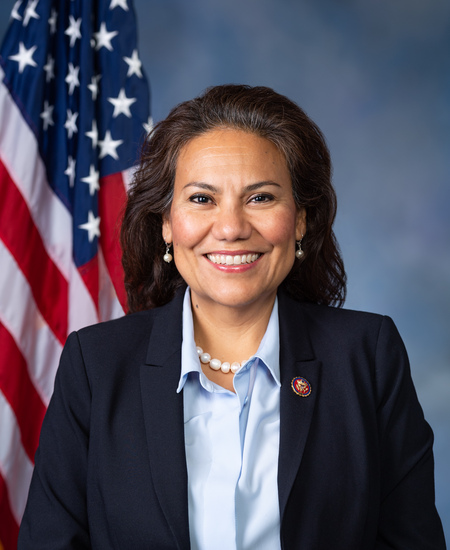
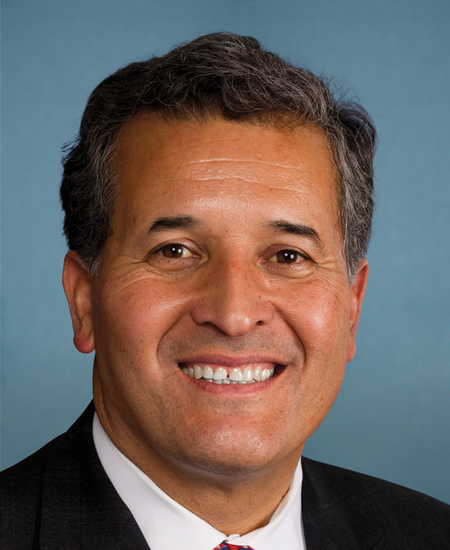
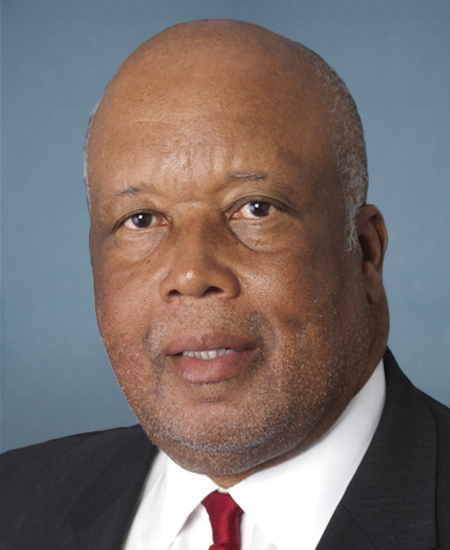
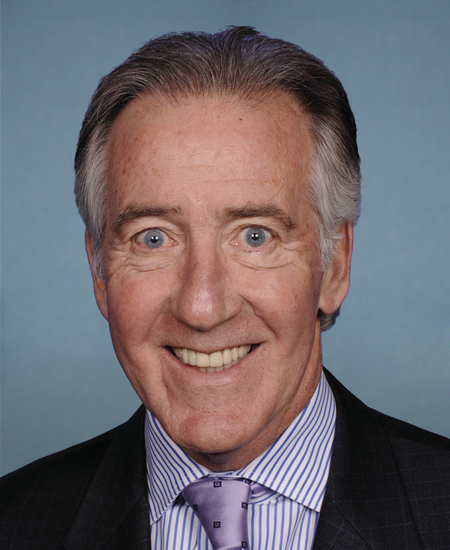
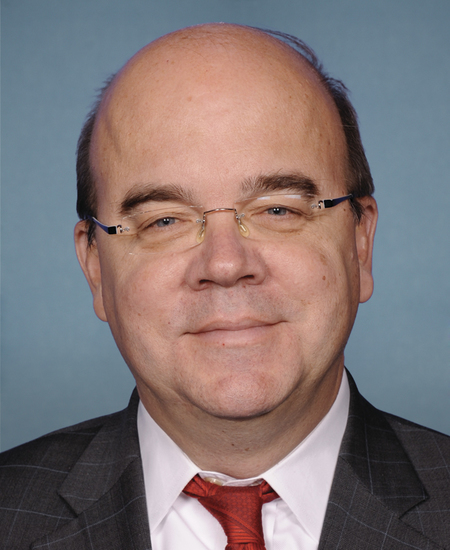
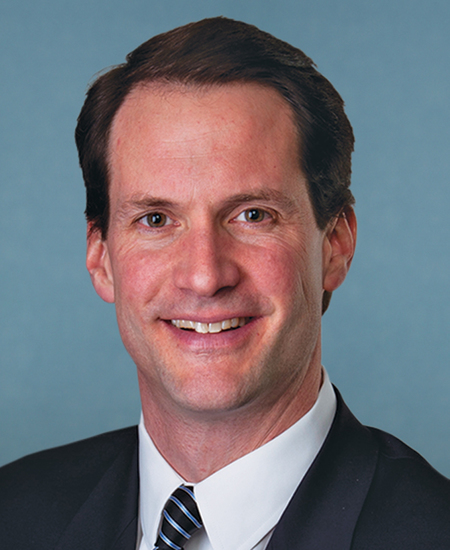
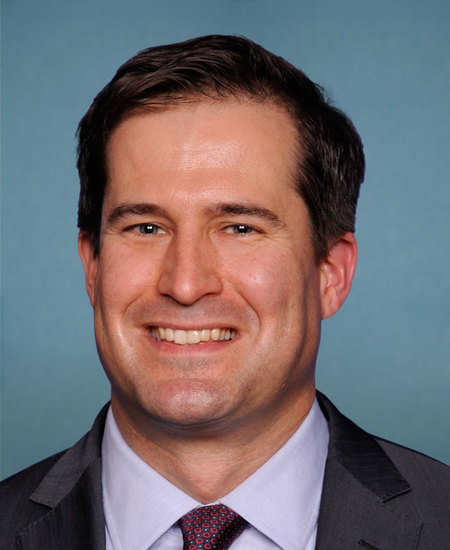
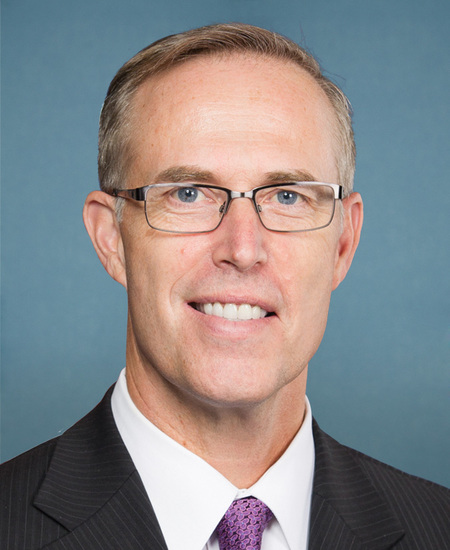
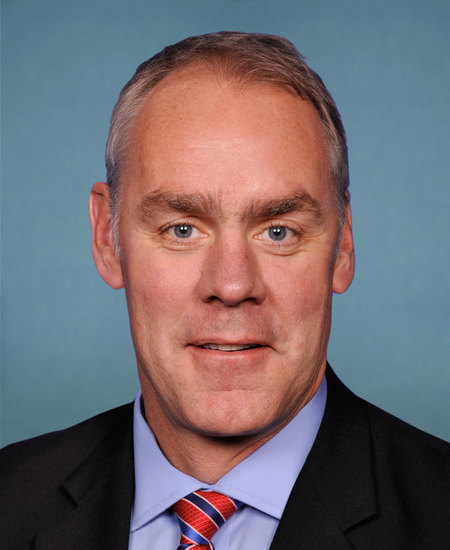
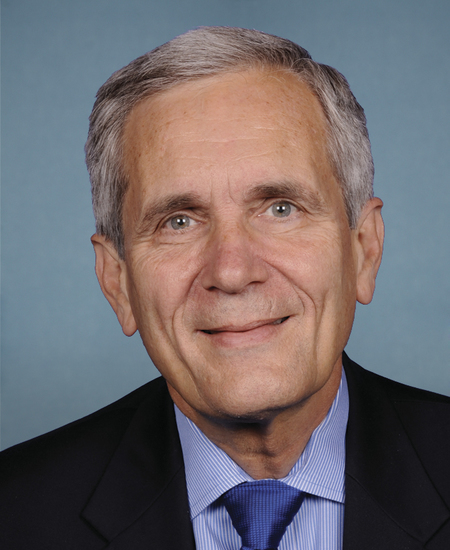
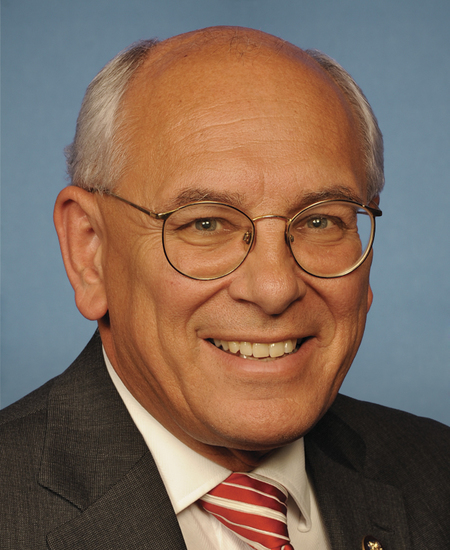
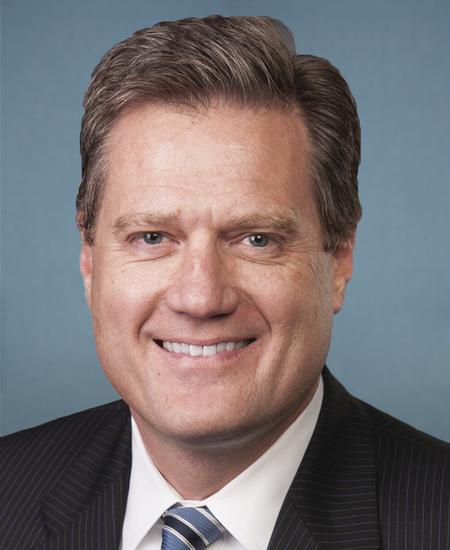
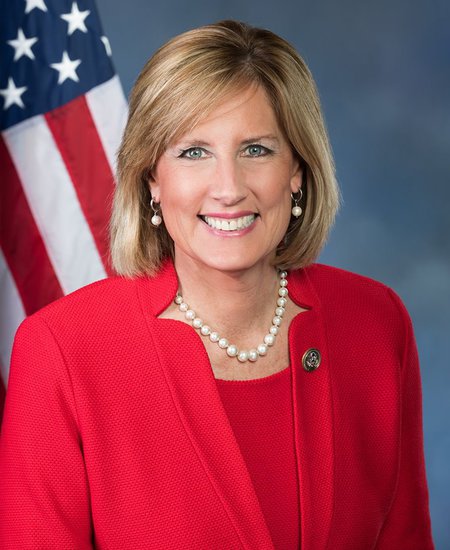
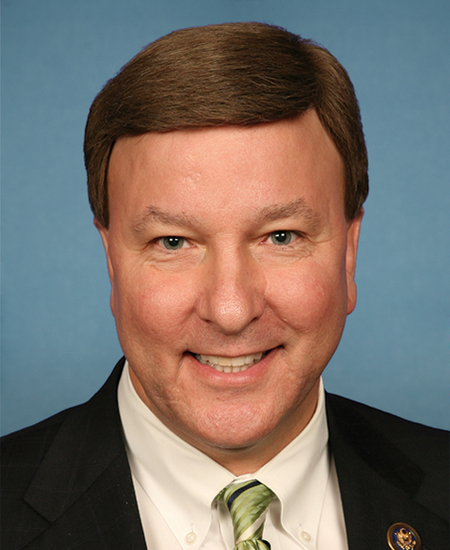
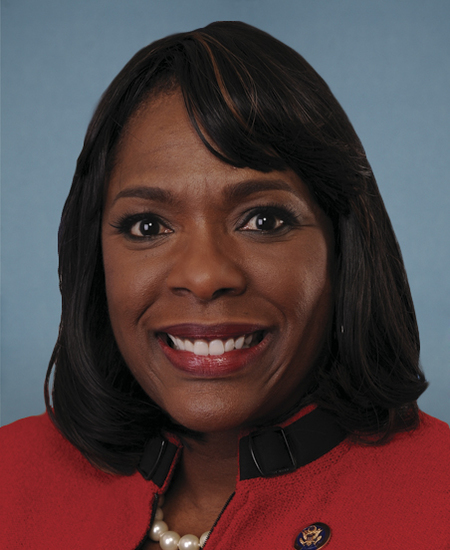
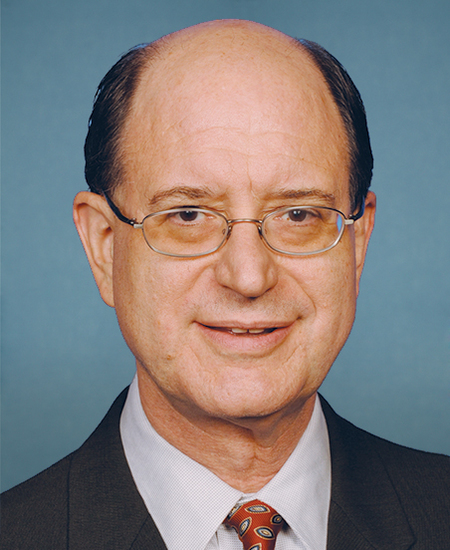
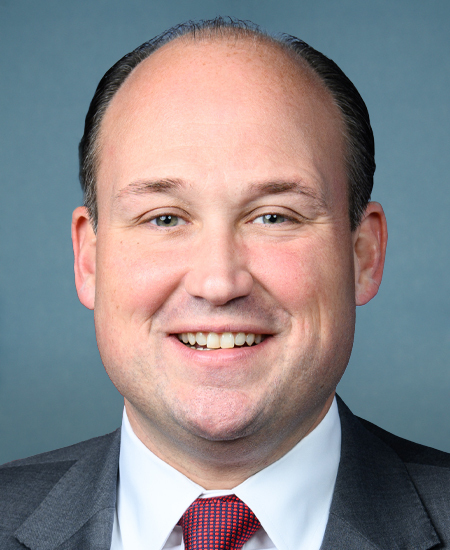
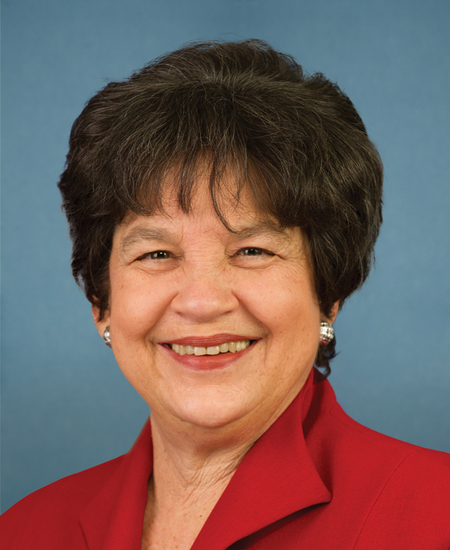
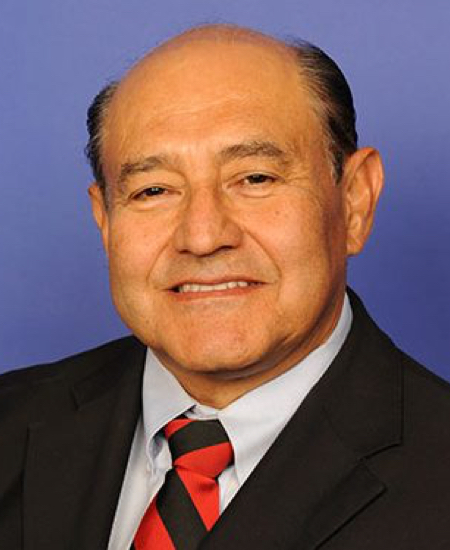
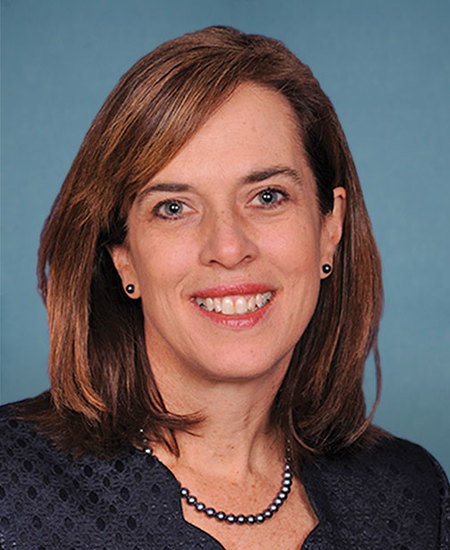
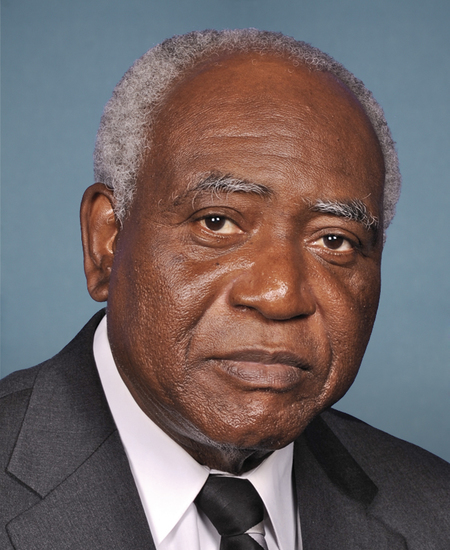
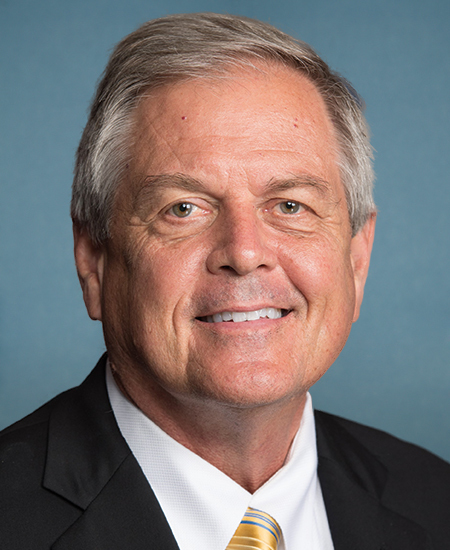
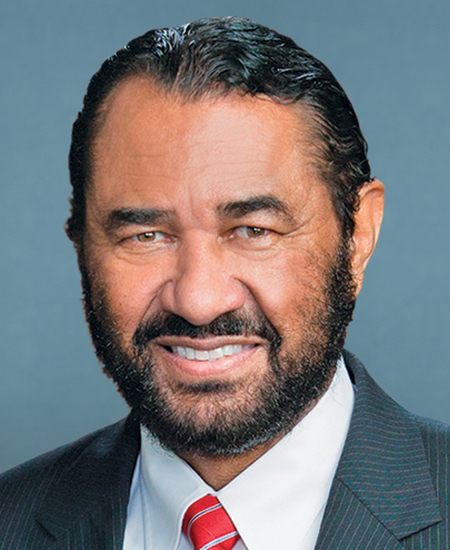
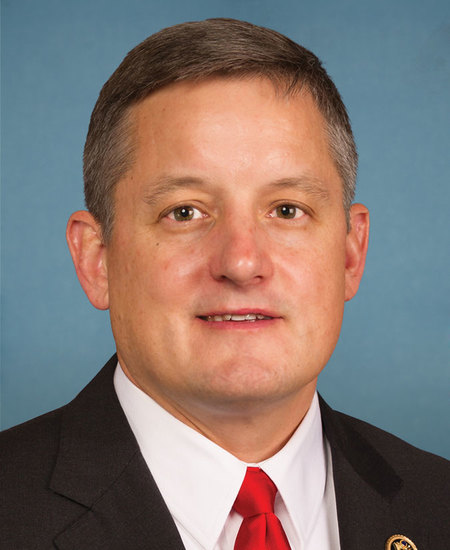
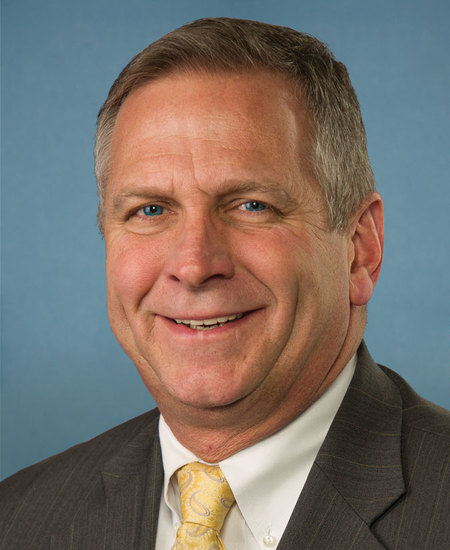
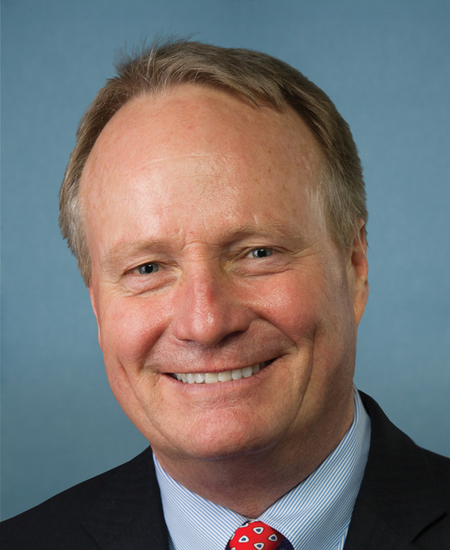
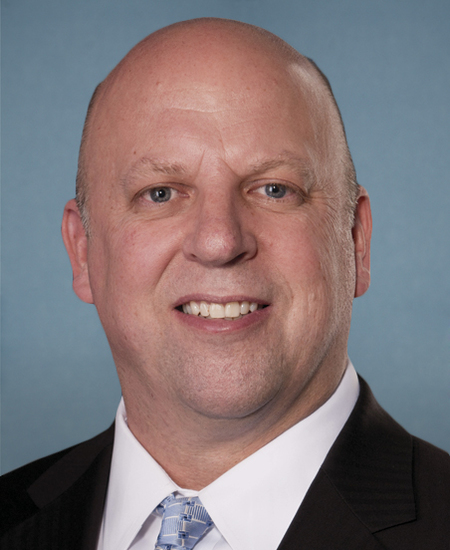
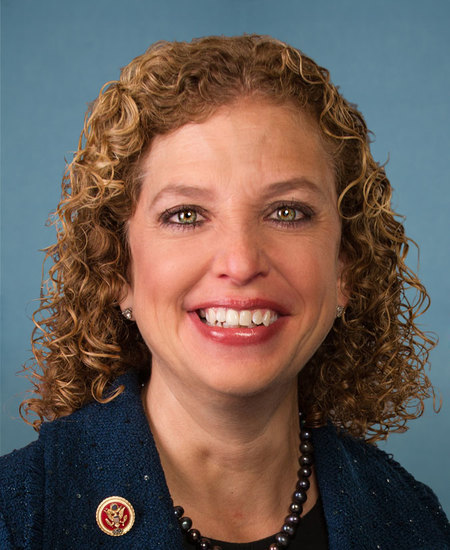
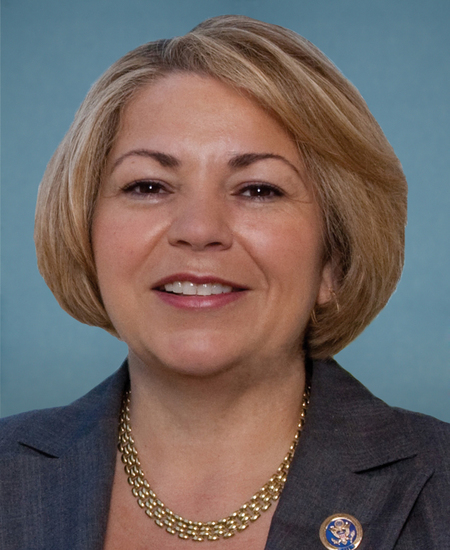
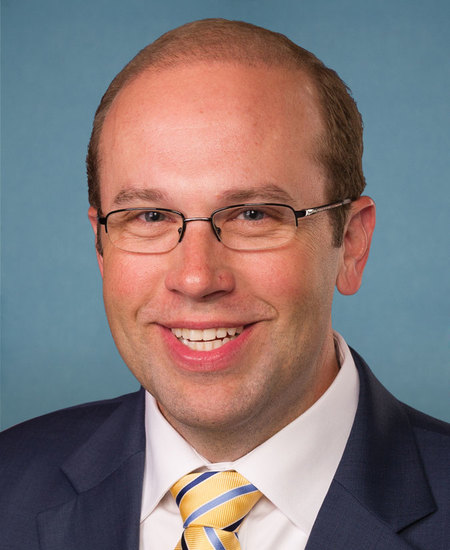
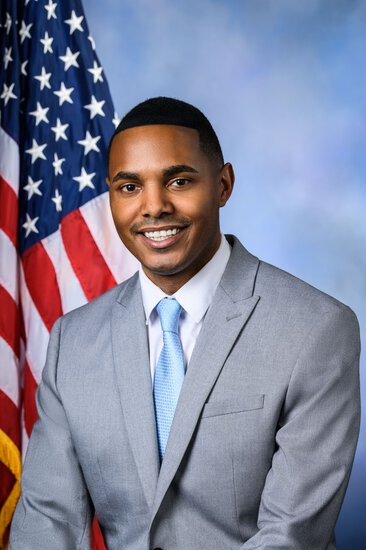
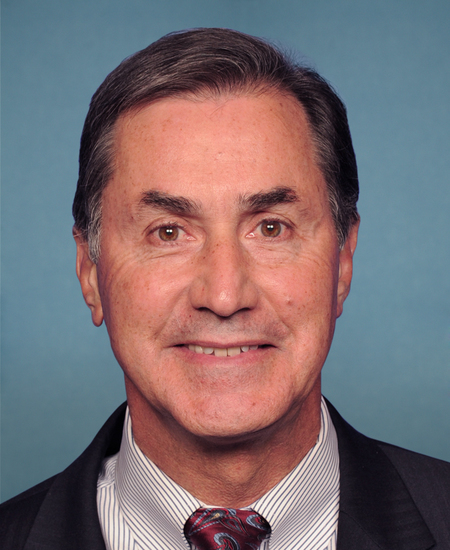
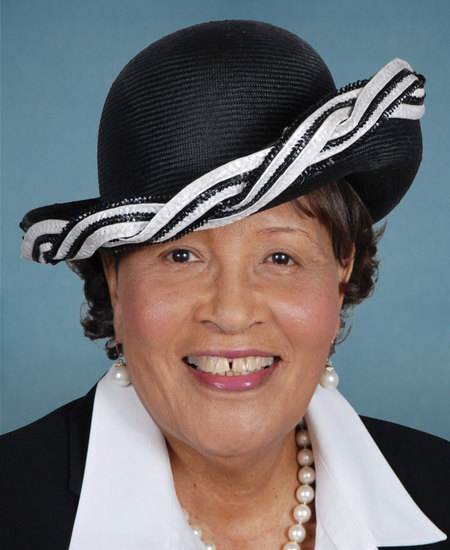
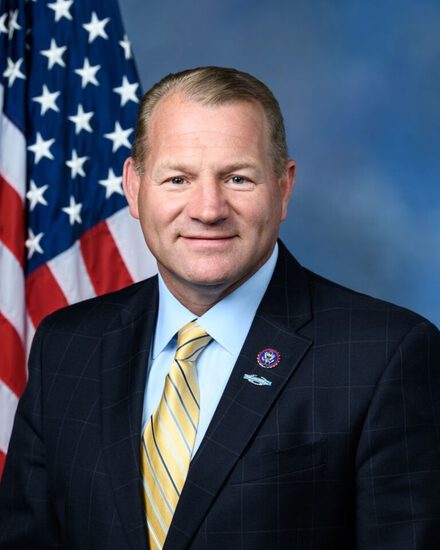
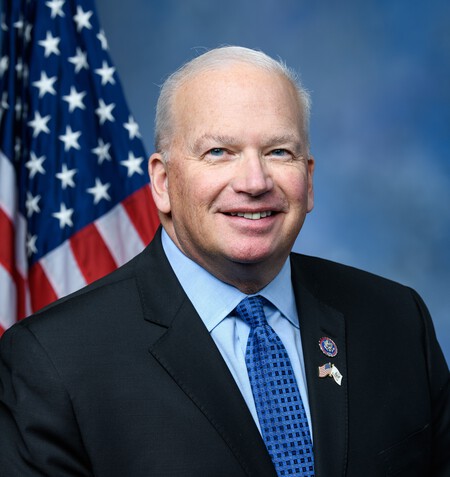
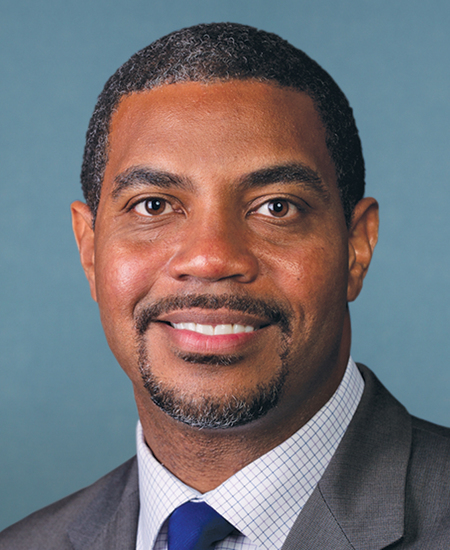
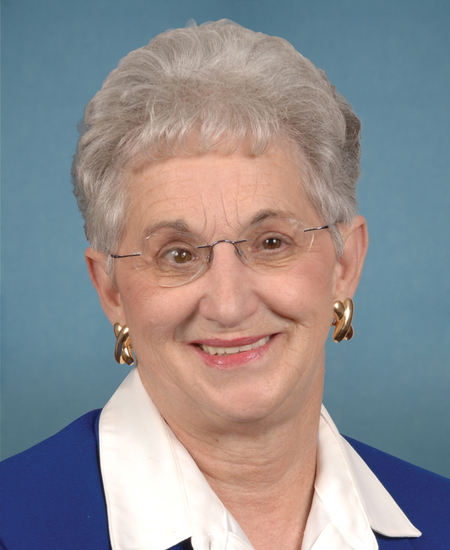
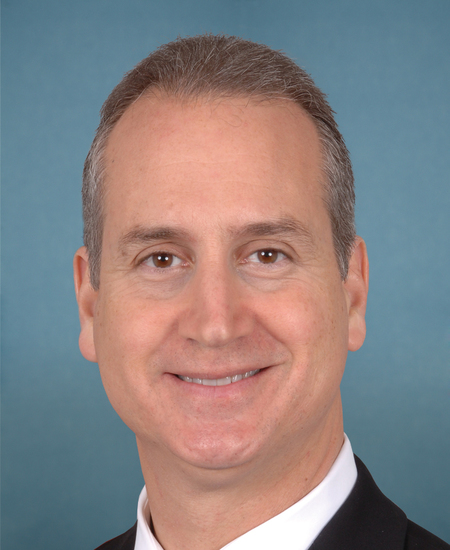
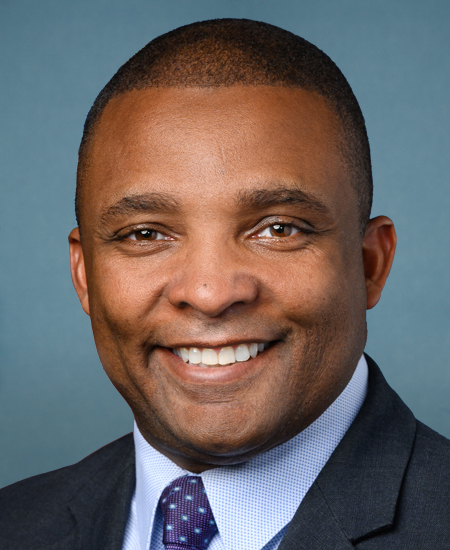
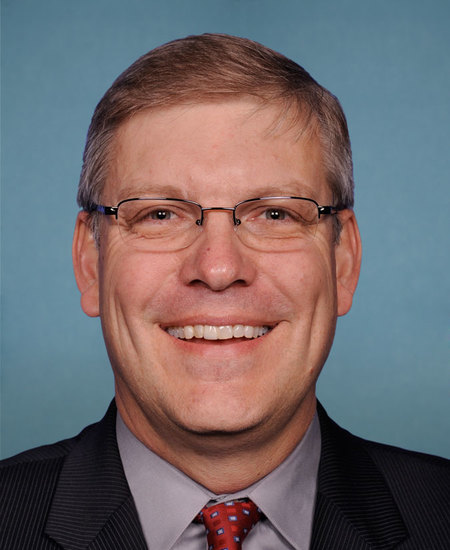
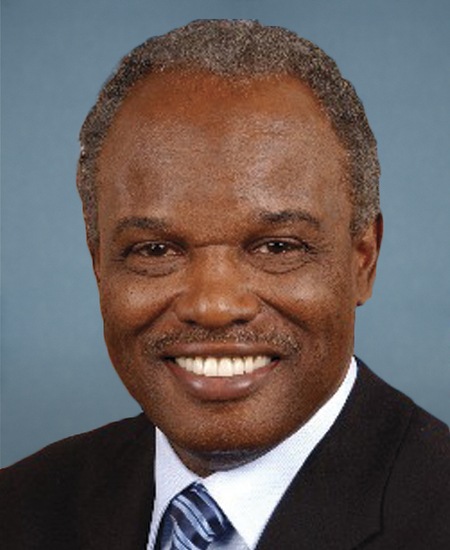
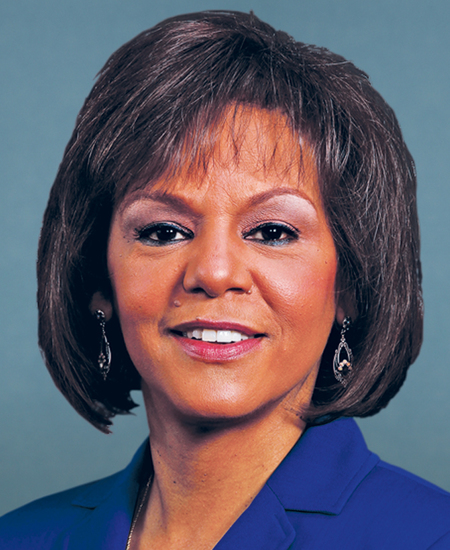
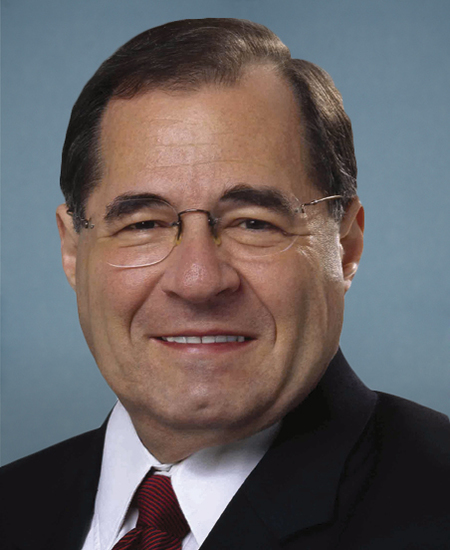
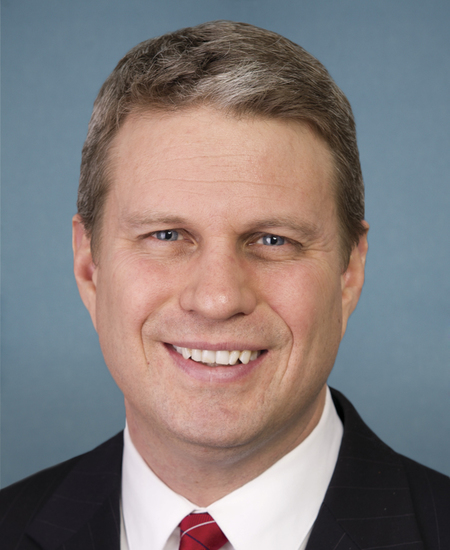
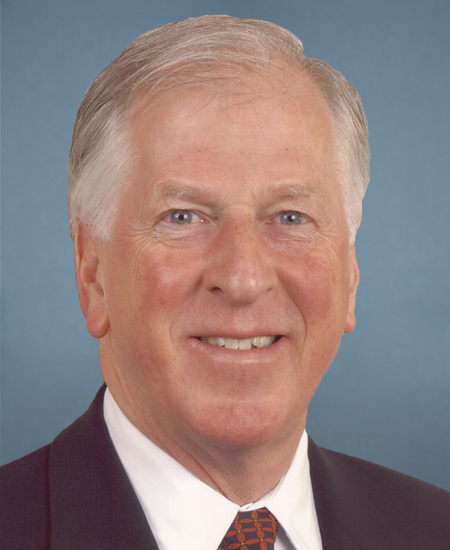
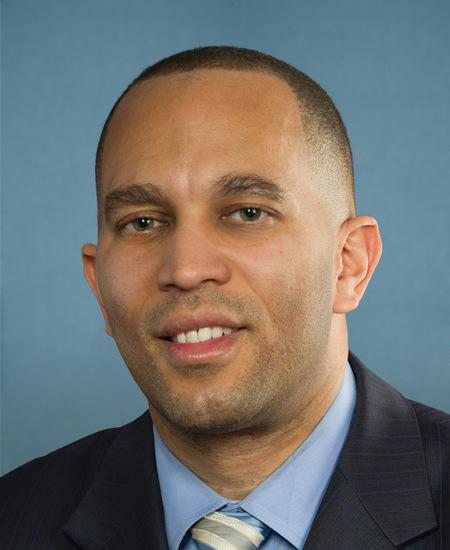
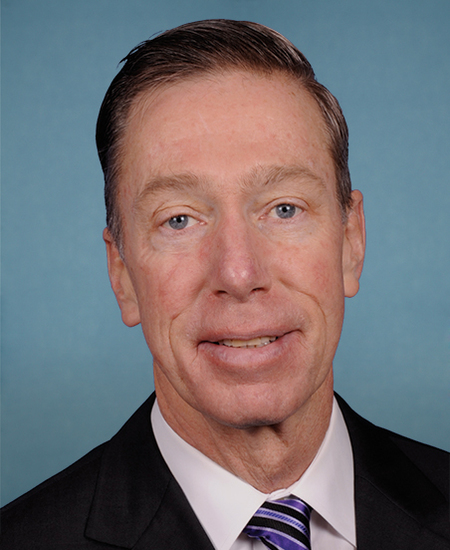
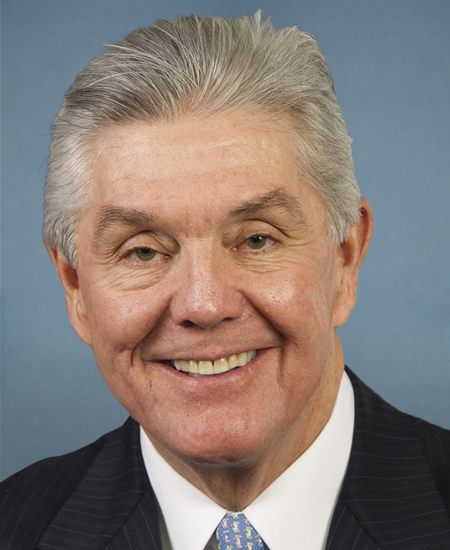
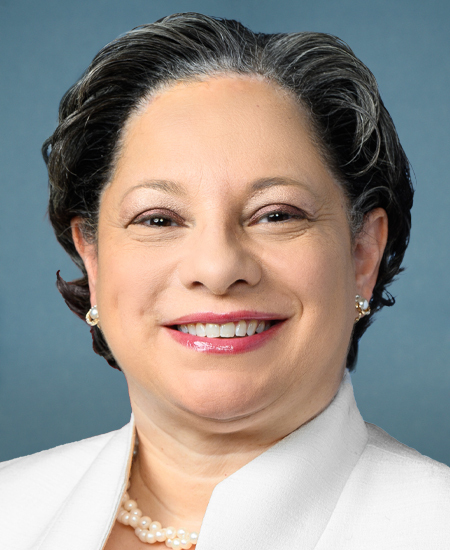
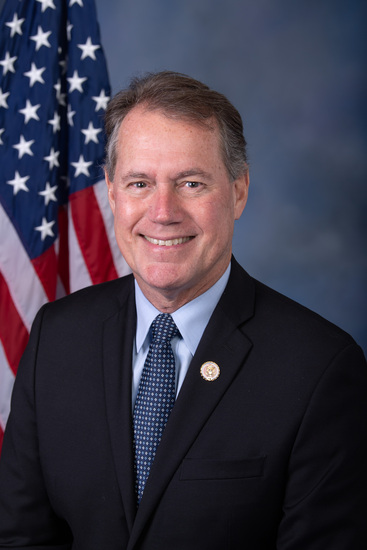
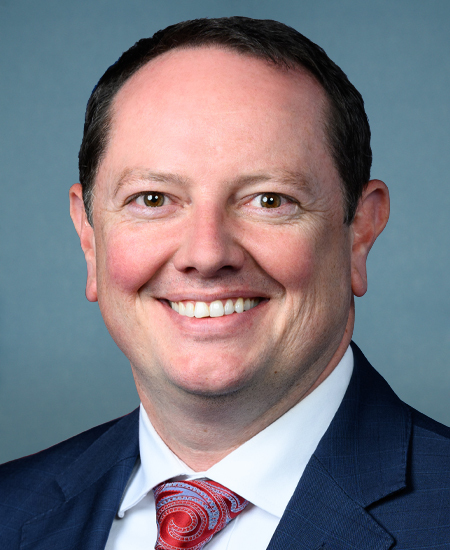
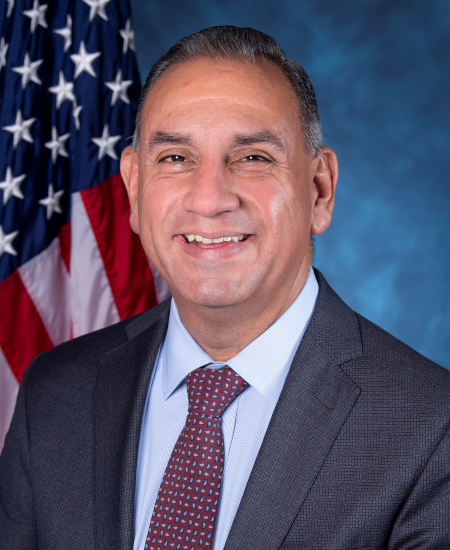
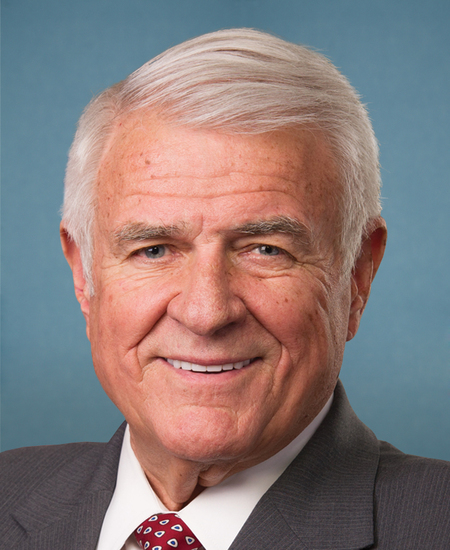
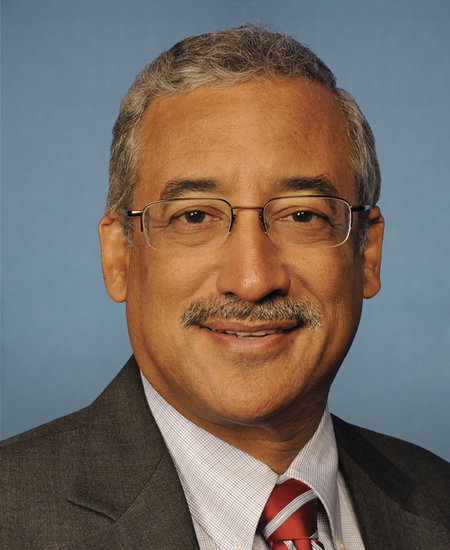
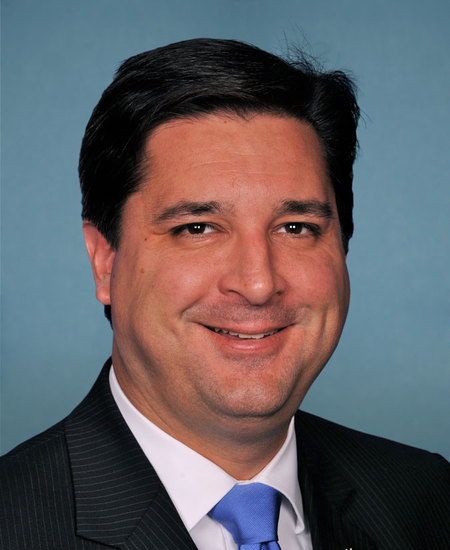
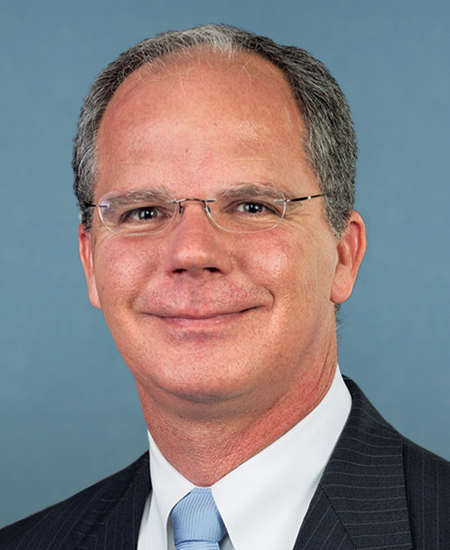
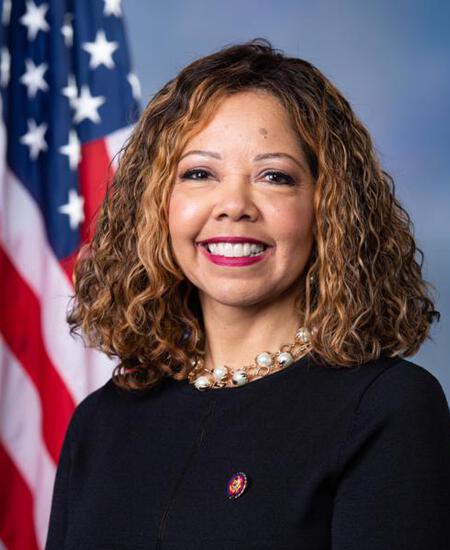
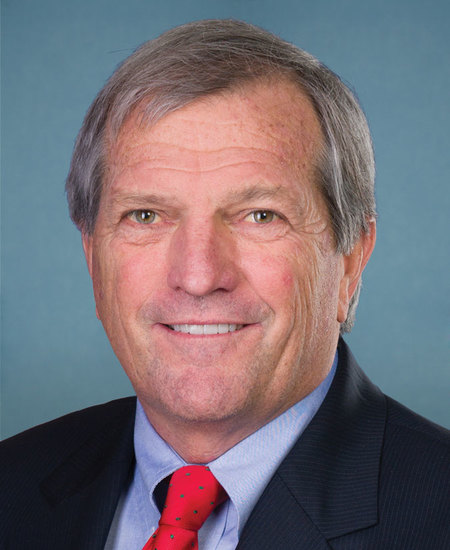
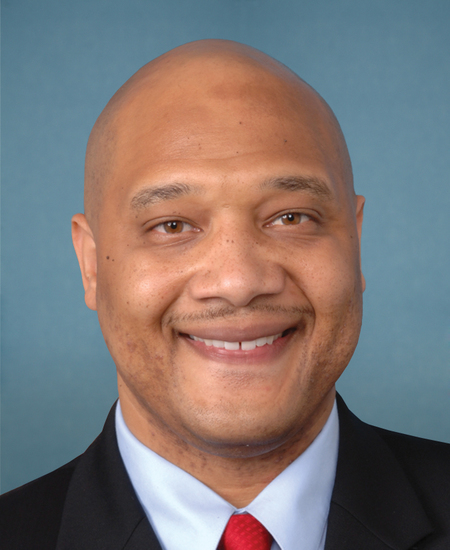
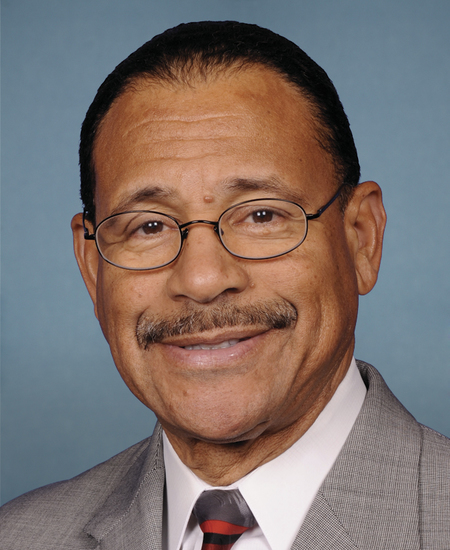
How they voted (421)


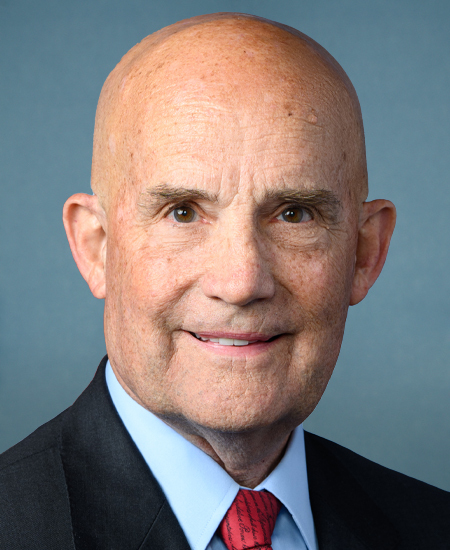
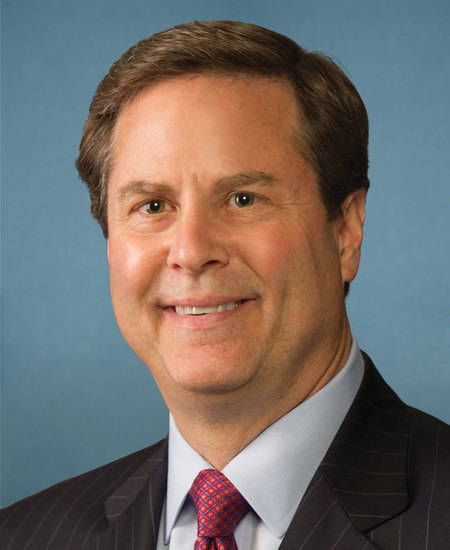
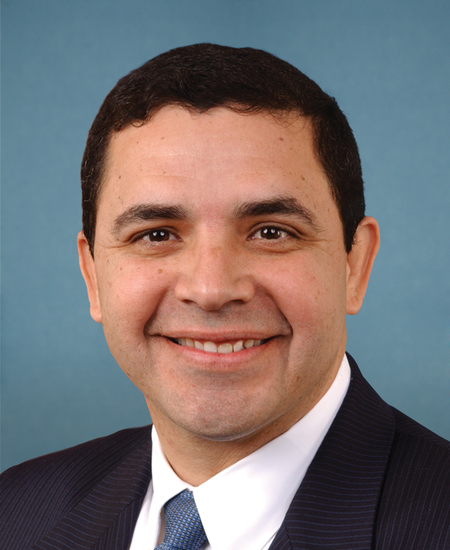


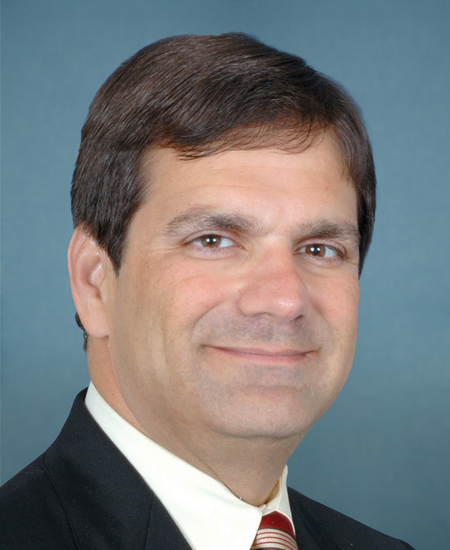






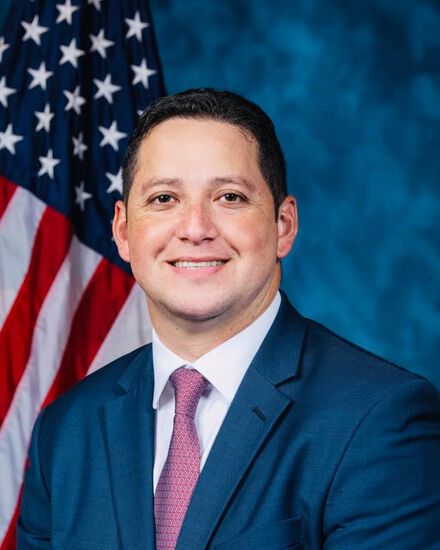
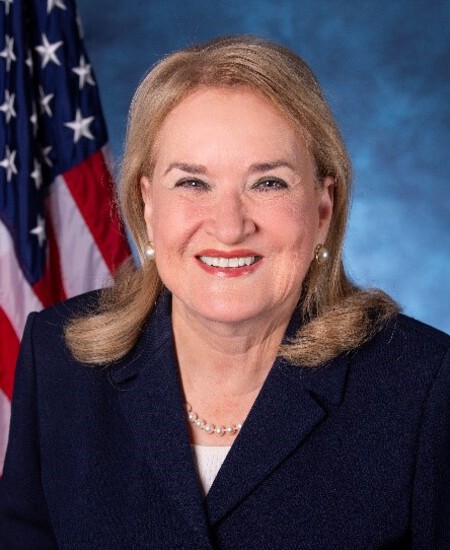
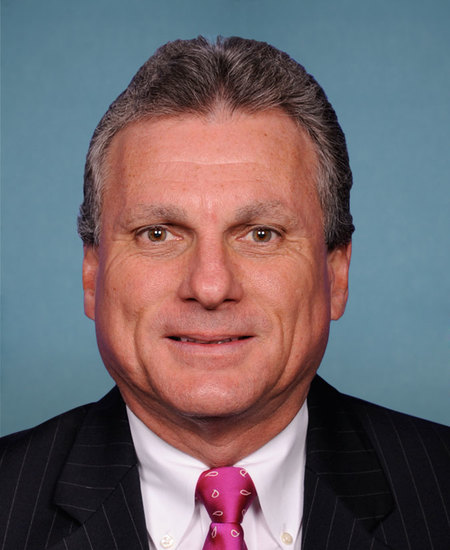






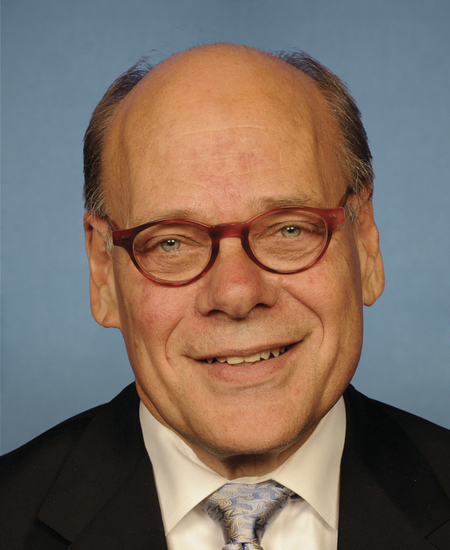
397 more members

























































































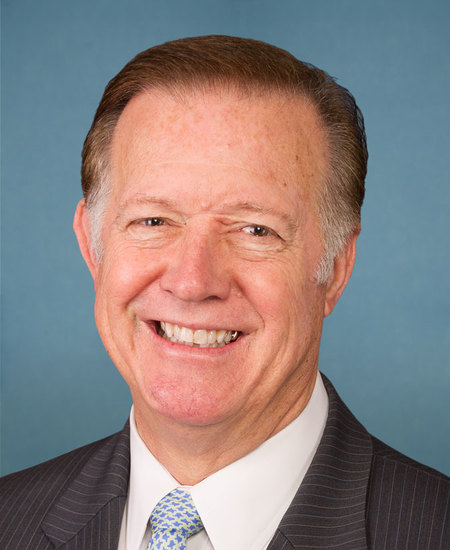
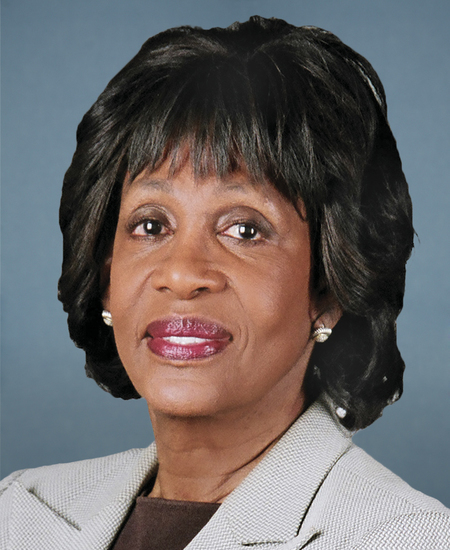





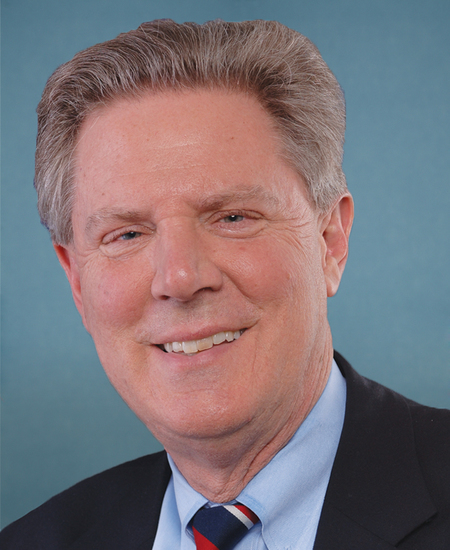



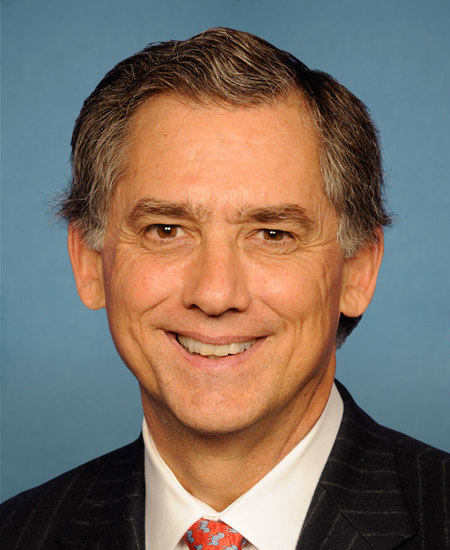























































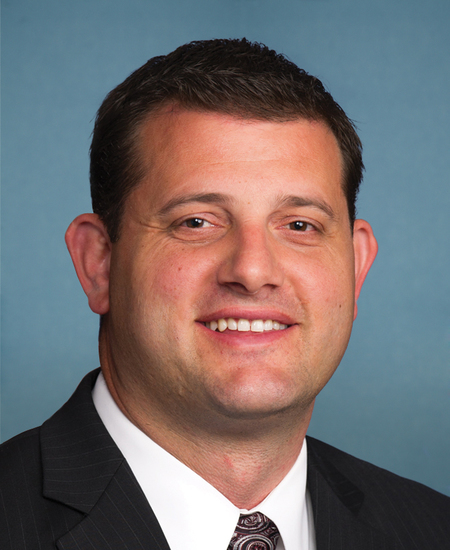

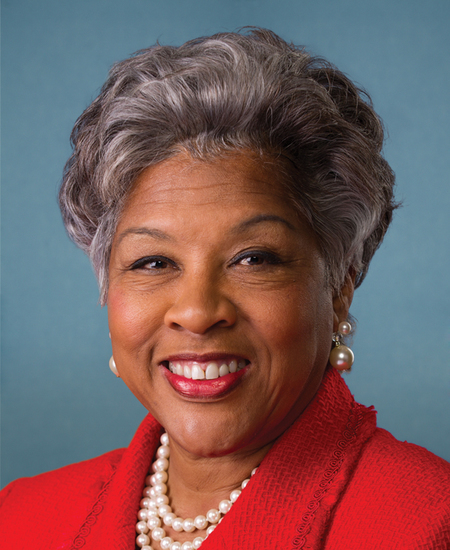
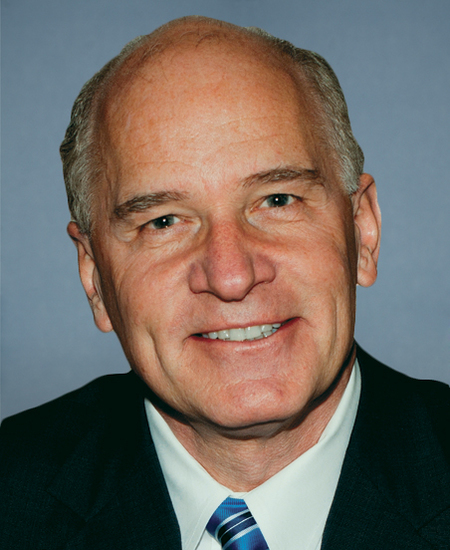
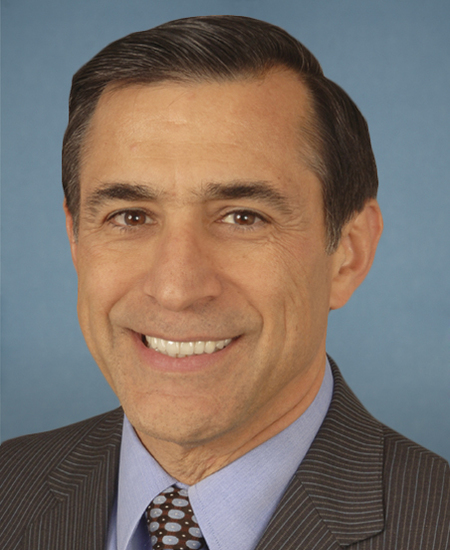




































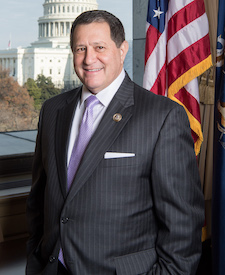










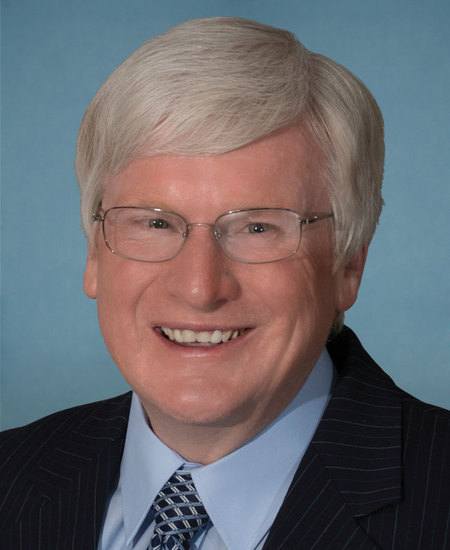

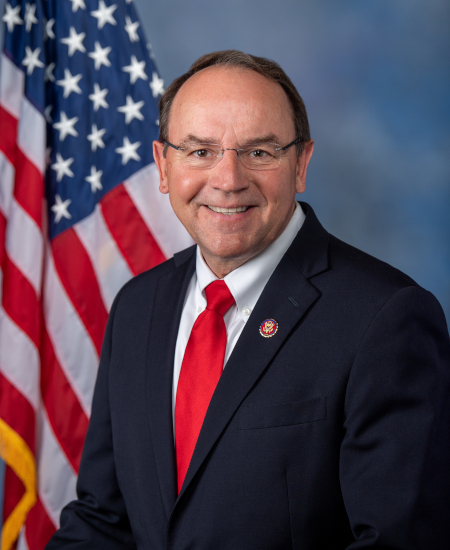



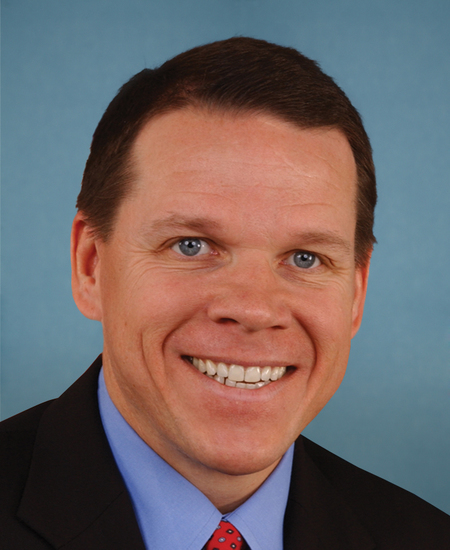











































































Show 1 earlier roll call
On Motion to Recommit
Total
431
- Yes
- 209
- No
- 215
- Present
- 0
- Not voting
- 7
- Abstain
- 0
How they voted (1)
Full breakdown
Who this bill affects and the strongest case for and against it, written only from the bill’s own text.
Sponsors
Show 2 more sponsors
Discoveries
Patterns POLISCOPE noticed across the record. These are observations to investigate, not conclusions.
Shift to Employer Discretion
The bill shifts the power to define the 'period' of wage calculation from a standard monthly threshold to employer-determined intervals.
Connected Entities
Sources
www.congress.gov
Analysis Score
0–100- Significance65How much this matters to a regular citizen
- Controversy50Intensity of disagreement among stakeholders
- Entertainment10Compellingness for a non-policy-wonk reader
- Buzz25Current news / social attention level
Publisher tools