
NewsTimes of San DiegoNovember 6, 2026San Diego County
Alejandro Maciel reports on the political rise of the 'No Sabo Kids' generation in the United States
Photo: Times of San Diego
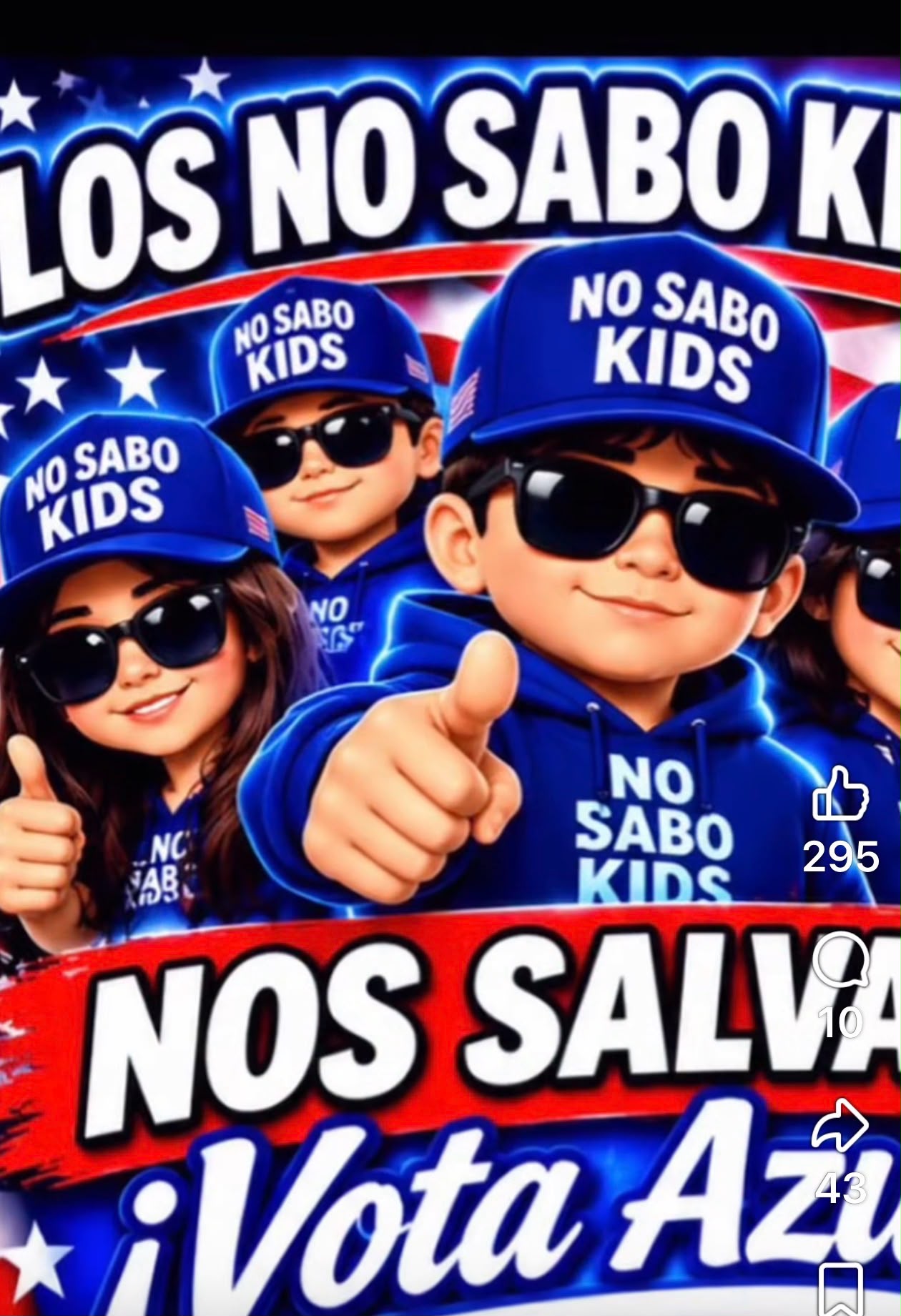
Latino youth of immigrant descent, colloquially known as 'No Sabo Kids' due to limited Spanish fluency, are increasingly participating in U.S. political and electoral activities. Driven by family experiences, community concerns, and immigration enforcement issues, these young voters are expanding their presence in civic life while redefining Latino identity beyond language proficiency.
Read the full story at Times of San DiegoWhy It Matters
Millions of young Hispanic citizens, including 1.4 million reaching voting age annually and a total eligible electorate of 36.2 million in 2024, are shifting the demographics of political participation in states like California, Arizona, Nevada, and Texas.
Key Facts
- An estimated 36.2 million Latinos were eligible to vote in the United States in 2024, according to the Pew Research Center.
- Approximately 1.4 million Hispanics reach majority age and gain the right to vote each year.
- The label 'No Sabo Kids' originated from incorrect phrasing by bilingual children ('no sabo' instead of 'no sé') and evolved into a cultural reference on social media platforms like TikTok, Instagram, and YouTube.
- Research by CIRCLE at Tufts University identifies young Latinos as one of the segments with the highest potential for growth in the U.S. young electorate.
- Political participation among first- and second-generation Latino youth is frequently motivated by family experiences, including immigration enforcement actions and representing family members who lack voting rights.
- In addition to immigration, young Latino voters are concerned with issues such as housing, the cost of higher education, and the economy.
Who's Mentioned
locationTijuana“City where young people from San Diego visited for lunch”OrganizationTiempos de San Diego“Publication employing Alejandro Maciel”OrganizationCenter for Information and Research on Civic Learning and Engagement“Research center at Tufts University identifying Latinos as a fast-growing segmen”OrganizationPew Research Center“Research organization reporting that 36.2 million Latinos were eligible to vote ”PersonMaría Fernanda Salcedo“UCLA political science student who voted on behalf of her mother”OrganizationUnivision“Media outlet where María Fernanda Salcedo made statements”PersonAlejandro Maciel“Bilingual audience producer and reporter for Tiempos de San Diego”PersonIsaías“High school senior in Los Angeles whose parents are from Oaxaca”locationLos Ángeles“City where Isaías is a high school senior”OrganizationUCLA“University attended by María Fernanda Salcedo”OrganizationTufts University“Institution housing CIRCLE”locationCalifornia“State with a significant Latino community and rising young Hispanic political pa”locationEstados Unidos“Country where children and grandchildren of Mexican immigrants reside”locationTexas“State with a significant Latino community”locationNevada“State with a significant Latino community”locationArizona“State with a significant Latino community”locationSan Diego“Origin city of the young people visiting Tijuana”