
The civic record
Read. Follow. Verify.Georgia House Bill 418 Establishes Trust Account and Scheduling Rules for Child Performers and Online Content Creators
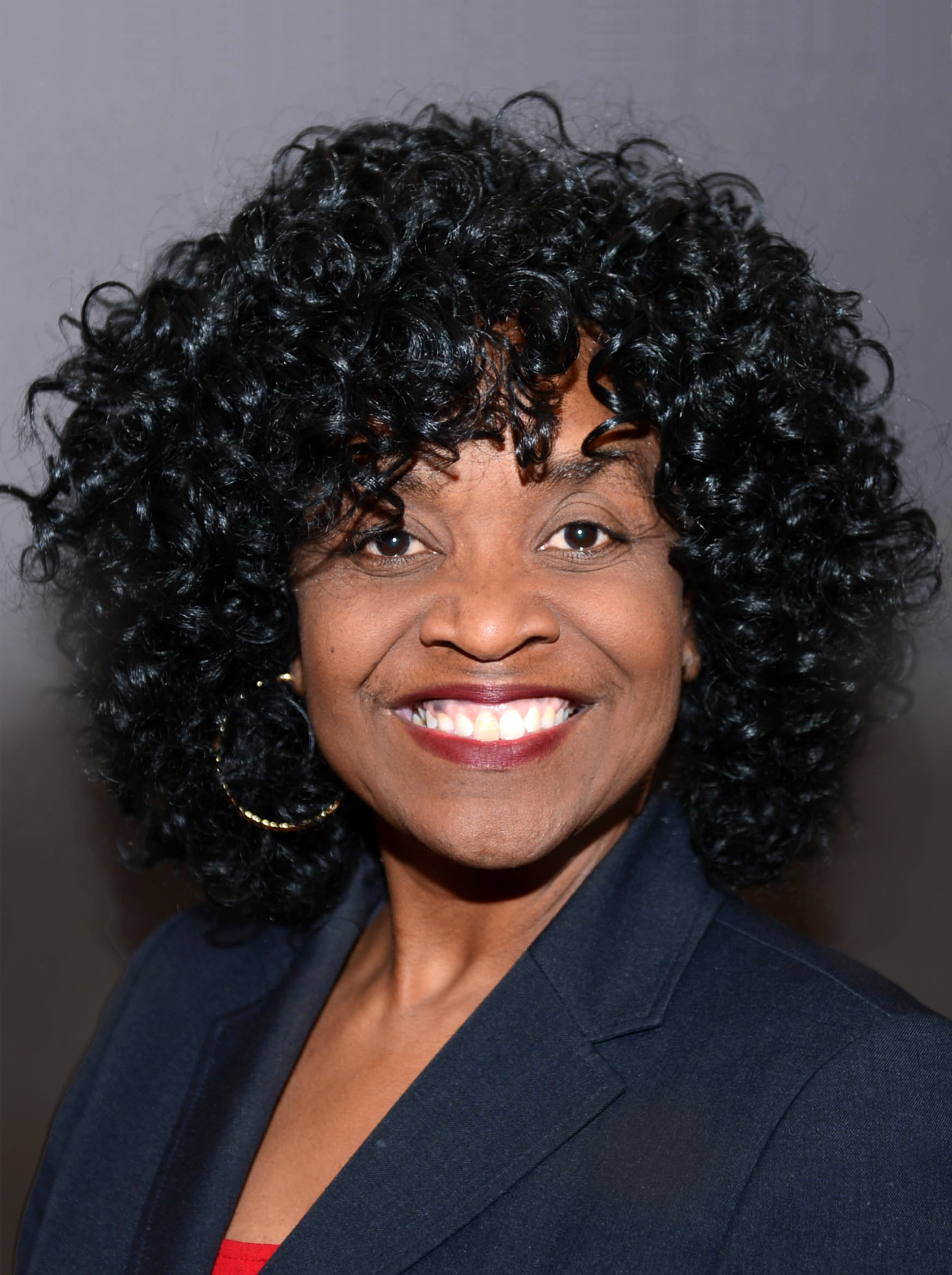
Last action · February 18, 2025: House Second ReadersSponsors: Kim Schofield and 4 others
Track this bill to get notified when it advances a stage. One tap to stop, anytime.
What This Bill Proposed
Georgia House Bill 418 requires parents or guardians to establish s for minors rendering artistic or creative services or participating in online content creation, depositing at least 15 percent of . The measure directs the Commissioner of Labor to investigate working conditions prior to employment, mandates periodic site inspections, and sets strict daily work and scheduling limits based on the minor's age.
Child performers and minors featured in monetized online videos gain mandatory financial protections by requiring earnings to be placed into trust accounts until they reach the age of majority, while employers and content creators face new recordkeeping obligations, mandatory employment investigations, and strict daily hour caps.
- State legislatures across the United States have increasingly introduced measures to protect child influencers and digital content creators from financial exploitation. context
- Under Georgia legislative procedure, House bills are introduced in the lower house and undergo committee review before receiving second readings and potential floor consideration. context
Who It Would Have Affected
Groups the bill's text would have affected, as described in the record. Being affected is not a position for or against it.
Child performers
Minors working in artistic or creative services are subject to new scheduling limits, mandatory trust account deposits for a portion of their earnings, and pre-employment working condition investigations.
Online content creators
Individuals and entities producing digital content featuring minors who meet viewership and appearance thresholds must maintain specific records, set aside gross earnings into blocked trust accounts, and face potential civil liability for violations.
Parents or legal guardians
Parents must establish blocked trust accounts for child performers, provide account information to employers within 30 days, and retain the right to bring civil enforcement actions.
Key Facts
- At least 15 percent of a child performer's gross earnings must be deposited into a blocked trust account held by a trust company.
- Funds in a child performer's blocked trust account become available to the minor upon reaching the age of majority or emancipation.
- If a parent or legal guardian fails to provide account information to the employer within 30 days of employment, funds must be remitted to the state revenue commissioner under the Disposition of Unclaimed Property Act.
- The Department of Labor must conduct periodic and unannounced site inspections at locations where child performers are employed.
Show all 9 facts
- Infants between birth and 15 days old are prohibited from working.
- Minors between 15 days and six months old are limited to working 20 minutes per day and spending no more than two hours at a location.
- Minors between 16 and 17 years old shall not start work before 7:00 A.M., work more than eight hours per day, stay at a location for more than 12 hours, or work past 10:00 P.M. on a school night or 12:30 A.M. on a nonschool night.
- Online content creators must maintain detailed records of the minor's age, content minutes, compensation, and trust account deposits if the minor appears in at least 30 percent of compensated video content over a 12-month period meeting platform compensation thresholds or earning 10¢ or more per view.
- Minors or their legal guardians may commence a civil action for actual damages, punitive damages, attorney's fees, and litigation costs if an online content creator knowingly or recklessly violates trust account distribution rules.
Frequently Asked Questions
What percentage of a child performer's earnings must go into a trust account?
When can a child performer access the money in their trust account?
What criteria make an online content creator subject to these rules regarding minors?
What are the work hour restrictions for a toddler between two and six years old?
What else do you want to know?
News Coverage
Follow the record
Votes, people, money & the original sourceWhere This Stands
This bill did not become law - Died at adjournment · introduced in the House.
Procedural history
3 actions- Feb 18, 2025HouseHouse Second Readers
- Feb 13, 2025HouseIntroducedHouse First Readers
- Feb 12, 2025HouseIntroducedHouse Hopper
Version history
Only one version on file - nothing to compare yet. As later stages (committee substitute, engrossed, enrolled) are captured, the redline appears here.
View official text →Lobbying Activity
No state lobbying filings in our records match this bill. Federal lobbying reports (LDA) cover Congress, so they are not listed on state bills.
Full breakdown
Who this bill affects and the strongest case for and against it, written only from the bill’s own text.
Sponsors




Discoveries
Patterns POLISCOPE noticed across the record. These are observations to investigate, not conclusions.
Expansion of Child Labor Laws to Digital Creators
The bill explicitly bridges traditional child entertainment labor laws with modern online video and social media content creation.
Connected Entities
Sources
www.legis.ga.gov
Analysis Score
0–100- Significance20Lowered because this bill did not pass (its text scored 75)
- Controversy35Intensity of disagreement among stakeholders
- Entertainment15Compellingness for a non-policy-wonk reader
- Buzz40Current news / social attention level
Publisher tools