
The civic record
Read. Follow. Verify.Florida raises helmet age requirement for electric personal assistive mobility devices to 18
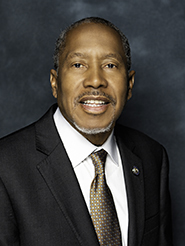
Last action · March 13, 2026: Died in TransportationSponsor: Darryl Rouson
Track this bill to get notified when it advances a stage. One tap to stop, anytime.
What This Bill Proposed
Florida raises the minimum age for mandatory helmet use while operating or riding s from under 16 to under 18 years old, effective July 1, 2026.
Expands helmet requirements to cover 16- and 17-year-old riders, requiring them to wear approved bicycle helmets under threat of operating restrictions.
- Electric personal assistive mobility devices are typically self-balancing devices such as Segways or similar personal transportation vehicles. context
Who It Would Have Affected
Groups the bill's text would have affected, as described in the record. Being affected is not a position for or against it.
Minors aged 16 and 17
Minors aged 16 and 17 must now wear a properly fitted bicycle helmet while operating or riding electric personal assistive mobility devices.
Parents and guardians
Parents and guardians of 16- and 17-year-old operators are responsible for ensuring compliance with the updated helmet requirement.
Key Facts
You don't have to trust us. Each fact below is taken straight from the official document - click any one to see the exact passage, highlighted in the original.
Frequently Asked Questions
What standards must the helmets meet?
What else do you want to know?
News Coverage
Follow the record
Votes, people, money & the original sourceWhere This Stands
This bill did not become law - Died in committee.
Procedural history
4 actions- Mar 13, 2026SenateFloorDied in Transportation
- Jan 13, 2026SenateIntroducedIntroduced
- Jan 5, 2026SenateCommitteeReferred to Transportation; Commerce and Tourism; Rules
- Dec 15, 2025SenateIntroducedFiled
Version history & redline
2 versions on fileOfficial version history is partial: 1 linked text is unavailable or incomplete. Source links remain available below.
The text diff for this stage has not been computed yet.
official version host penalty: 429 Retry-After 300 s
Lobbying Activity
No state lobbying filings in our records match this bill. Federal lobbying reports (LDA) cover Congress, so they are not listed on state bills.
Full breakdown
Who this bill affects and the strongest case for and against it, written only from the bill’s own text.
Sponsors
Connected Entities
Sources
www.flsenate.gov
Analysis Score
0–100- Significance20Lowered because this bill did not pass (its text scored 40)
- Controversy25Intensity of disagreement among stakeholders
- Entertainment5Compellingness for a non-policy-wonk reader
- Buzz15Current news / social attention level
Publisher tools