
The civic record
Read. Follow. Verify.Connecticut Regulates Automated License Plate Readers, Restricts Police Facial Coverings, and Establishes Government Accountability Rules
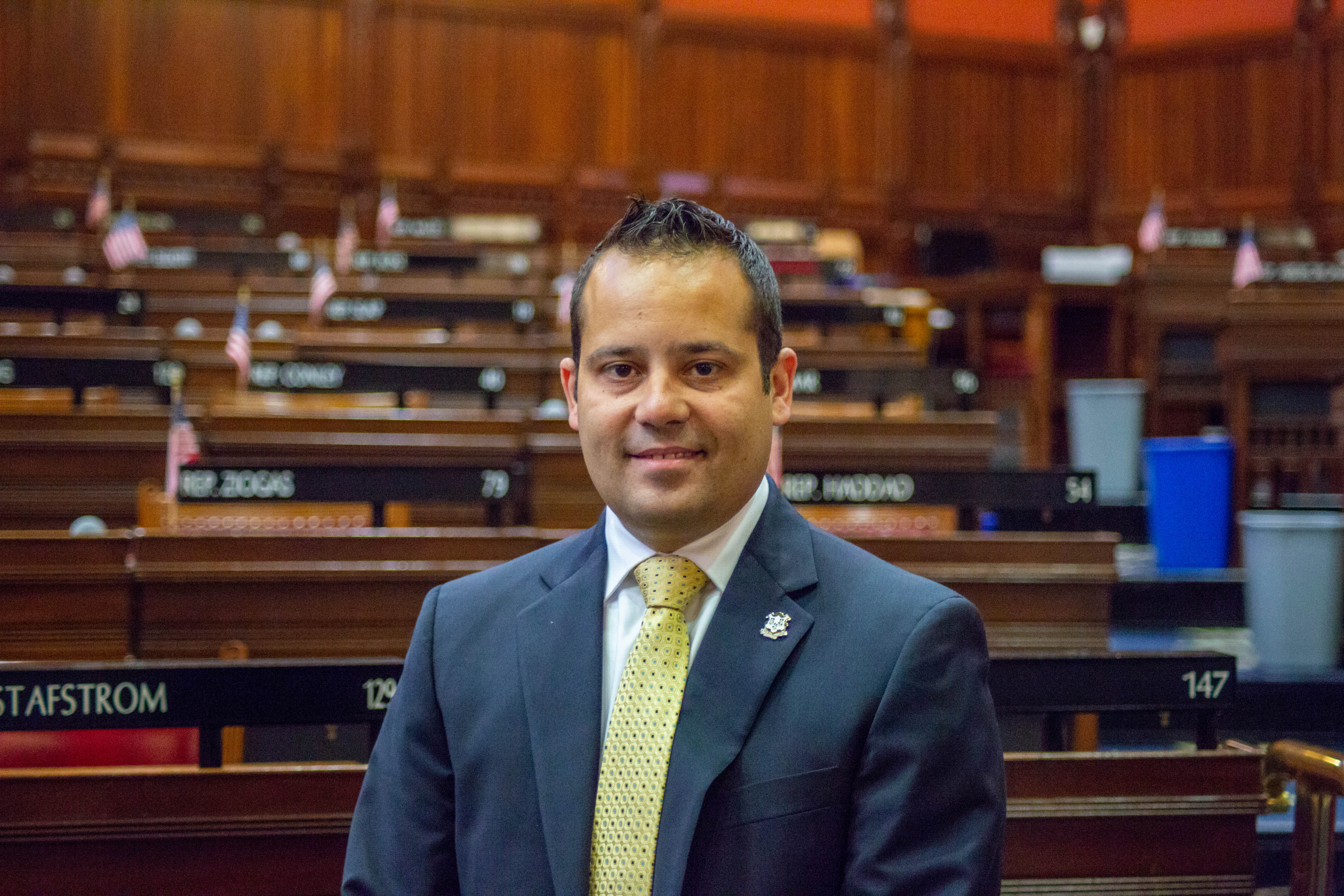
Last action · May 6, 2026: Transmitted to the Secretary of StateSponsors: Matt Lesser and 43 others
Track this bill to get notified when it advances a stage. One tap to stop, anytime.
What This Bill Does
Substitute Senate Bill No. 397 enacts sweeping state accountability measures, limiting automated license plate reader (ALPR) data retention to 21 days, prohibiting police officers from wearing personal disguises or facial coverings during public interactions, and restricting civil-offense arrests in s such as schools, hospitals, and courthouses.
Residents gain new legal protections against civil arrests in sensitive locations, individuals can sue law enforcement or private vendors for privacy and data-sharing violations, and police agencies must comply with strict data-sharing limitations and public reporting requirements for license plate scanners.
- Automated license plate readers (ALPRs) have been increasingly deployed by police departments and municipalities across the United States, sparking ongoing legislative debates over privacy, data retention periods, and potential surveillance overreach. context
- Connecticut enacted significant police accountability legislation in recent years following nationwide calls for law enforcement reform, creating specialized oversight bodies like the Office of the Inspector General. context
Who It Affects
Groups the bill's text affects, as described in the record. Being affected is not a position for or against it.
Peace officers
Police officers are subject to new restrictions on wearing facial coverings, must display badges and name tags, face loss of immunity for intentional torts committed while masked, and must adhere to strict guidelines regarding automated license plate readers.
Law enforcement agencies
Police departments and law enforcement units must adopt ALPR usage policies by January 1, 2027, comply with data retention limits, file annual usage reports, and restrict civil arrests in protected areas.
Private vendors
Private companies contracting with public agencies for ALPR systems face strict prohibitions on selling or sharing data, mandatory choice-of-law provisions, and direct civil liability for data privacy violations.
Residents
Citizens gain protections against civil arrests in sensitive locations such as schools and hospitals, limitations on government license plate tracking, and the right to bring civil actions for violations.
Key Facts
You don't have to trust us. Each fact below is taken straight from the official document - click any one to see the exact passage, highlighted in the original.
Frequently Asked Questions
How long can police or public agencies store license plate reader data?
Can police officers wear masks or facial coverings while on duty?
Can an individual be arrested for a civil offense at a school or hospital?
What happens if a private vendor violates state rules regarding license plate reader data?
What else do you want to know?
News Coverage
Follow the record
Votes, people, money & the original sourceWhere This Stands
Current status: Signed into law.
Procedural history
33 actions- May 6, 2026Connecticut General AssemblyTransmitted to the Secretary of State
- May 5, 2026Connecticut General AssemblyEnrolledPublic Act 26-14
- May 4, 2026Governor of ConnecticutEnrolledSigned by Governor in Original
- May 1, 2026Governor of ConnecticutRules Suspended, Transmitted to the Governor
- May 1, 2026Connecticut General AssemblyIn Concurrence
- May 1, 2026HouseFloorHouse Passed as Amended by Senate Amendment Schedule A,B
Show 27 earlier actions
- May 1, 2026HouseFloorHouse Adopted Senate Amendment Schedule A,B
- Apr 30, 2026Connecticut General AssemblyFloorBill Passed Temporarily
- Apr 30, 2026HouseHouse Rejected House Amendment Schedule J 4748
- Apr 30, 2026HouseHouse Rejected House Amendment Schedule I 5371
- Apr 30, 2026HouseHouse Rejected House Amendment Schedule H 5004
- Apr 30, 2026HouseHouse Rejected House Amendment Schedule G 4696
- Apr 30, 2026HouseHouse Rejected House Amendment Schedule F 4697
- Apr 30, 2026HouseHouse Rejected House Amendment Schedule E 4990
- Apr 30, 2026HouseHouse Rejected House Amendment Schedule D 4704
- Apr 30, 2026HouseHouse Rejected House Amendment Schedule C 4745
- Apr 30, 2026HouseHouse Rejected House Amendment Schedule B 4698
- Apr 30, 2026HouseHouse Rejected House Amendment Schedule A 4710
- Apr 16, 2026HouseHouse Calendar Number 455
- Apr 16, 2026HouseFavorable Report, Tabled for the Calendar, House
- Apr 14, 2026SenateFloorSenate Passed as Amended by Senate Amendment Schedule A,B
- Apr 14, 2026SenateSenate Rejected Senate Amendment Schedule C 4100
- Apr 14, 2026SenateFloorSenate Adopted Senate Amendment Schedule B 4114
- Apr 14, 2026SenateFloorSenate Adopted Senate Amendment Schedule A 4084
- Apr 2, 2026Connecticut General AssemblyFile Number 399
- Apr 2, 2026SenateSenate Calendar Number 245
- Apr 2, 2026SenateFavorable Report, Tabled for the Calendar, Senate
- Apr 2, 2026Connecticut General AssemblyReported Out of Legislative Commissioners' Office
- Apr 1, 2026Connecticut General AssemblyReferred to Office of Legislative Research and Office of Fiscal Analysis 04/07/26 5:00 PM
- Mar 24, 2026Connecticut General AssemblyFiled with Legislative Commissioners' Office
- Mar 23, 2026Connecticut General AssemblyJoint Favorable Substitute
- Mar 5, 2026Connecticut General AssemblyPublic Hearing 03/09
- Mar 3, 2026Connecticut General AssemblyCommitteeReferred to Joint Committee on Judiciary
Version history
Only one version on file - nothing to compare yet. As later stages (committee substitute, engrossed, enrolled) are captured, the redline appears here.
View official text →Lobbying Activity
No state lobbying filings in our records match this bill. Federal lobbying reports (LDA) cover Congress, so they are not listed on state bills.
Full breakdown
Who this bill affects and the strongest case for and against it, written only from the bill’s own text.
Sponsors




Show 39 more sponsors



















Discoveries
Patterns POLISCOPE noticed across the record. These are observations to investigate, not conclusions.
Comprehensive Regulation of Automated License Plate Readers
The state establishes a strict 21-day default retention limit for ALPR data and imposes heavy restrictions on data sharing with out-of-state or federal agencies without warrants.
Loss of Immunity for Masked Officers Committing Intentional Torts
Police officers who commit intentional torts while knowingly wearing a facial covering in violation of the statute lose their entitlement to assert privileges or official immunity.
Connected Entities
Sources
cga.ct.gov
Analysis Score
0–100- Significance90How much this matters to a regular citizen
- Controversy75Intensity of disagreement among stakeholders
- Entertainment10Compellingness for a non-policy-wonk reader
- Buzz65Current news / social attention level
Publisher tools