
The civic record
Read. Follow. Verify.Vermont Legislature Mandates Step Pay Plans for State Law Enforcement Officers and Firefighters
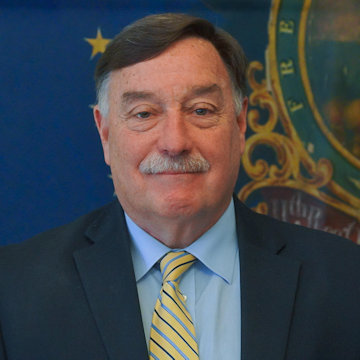
Last action · February 11, 2025: Read 1st time & referred to Committee on Government OperationsSponsor: Patrick Brennan
Track this bill to get notified when it advances a stage. One tap to stop, anytime.
What This Bill Would Do
State law enforcement officers and firefighters employed by specific state agencies must be placed on a allowing them to reach their pay grade's highest step after 18 and a half years of service by July 1, 2025. Covered personnel transitioning to the new plan will be placed one step higher than they would have been under prior plans.
Collective bargaining units gain statutory parameters for salary negotiations, and must occur with the Vermont State Employees Association before agreements take effect on or after July 1, 2025.
Who It Would Affect
Groups the bill's text would affect if enacted, as described in the record. Being affected is not a position for or against it.
State-employed law enforcement officers and firefighters
Covered personnel are placed on a mandatory step pay plan capped at 18.5 years to reach top pay and receive a one-step higher placement upon transition.
Vermont State Employees Association
The association must engage in impact negotiations with the State to implement the new pay plan provisions.
State of Vermont
The State must transition non-compliant pay plans by July 1, 2025, and conduct impact negotiations with employee representatives.
Key Facts
- State law enforcement officers in the Department of Fish and Wildlife, Department of Liquor and Lottery, and Department of Motor Vehicles, as well as state-employed firefighters, must be paid according to a step pay plan allowing them to reach the highest step in 18 years and six months.
- Collective bargaining representatives and the State retain the ability to negotiate the number of steps, time in each step, and advancement conditions.
- Employees whose pay plans do not meet the requirement on January 1, 2025, must be transitioned to a compliant plan on or before July 1, 2025.
- Employees transitioning on July 1, 2025, will be placed one step higher on the new pay plan than they would have been under the previous plan.
Show all 6 facts
- The State is required to engage in impact negotiations with the Vermont State Employees Association to implement the pay plan requirements.
- The act takes effect on passage and applies to all collective bargaining agreements for State employees taking effect on or after July 1, 2025.
Frequently Asked Questions
Which state employees are covered by this pay plan requirement?
How long will it take an officer or firefighter to reach the final pay step?
When must non-compliant pay plans be transitioned?
What else do you want to know?
News Coverage
Follow the record
Votes, people, money & the original sourceWhere This Stands
Currently in committee. The next step in the legislative lifecycle is Floor Vote.
Procedural history
1 action- Feb 11, 2025SenateIntroducedRead 1st time & referred to Committee on Government Operations
Version history
Only one version on file - nothing to compare yet. As later stages (committee substitute, engrossed, enrolled) are captured, the redline appears here.
View official text →Lobbying Activity
No state lobbying filings in our records match this bill. Federal lobbying reports (LDA) cover Congress, so they are not listed on state bills.
Full breakdown
Who this bill affects and the strongest case for and against it, written only from the bill’s own text.
Sponsors
Discoveries
Patterns POLISCOPE noticed across the record. These are observations to investigate, not conclusions.
Standardization of Public Safety Pay Plans
The bill establishes a uniform 18.5-year cap for reaching maximum pay grades across distinct departments including Fish and Wildlife, Liquor and Lottery, Motor Vehicles, and state-employed firefighters.
Connected Entities
Sources
legislature.vermont.gov
Analysis Score
0–100- Significance60How much this matters to a regular citizen
- Controversy20Intensity of disagreement among stakeholders
- Entertainment5Compellingness for a non-policy-wonk reader
- Buzz25Current news / social attention level
Publisher tools