
The civic record
Read. Follow. Verify.Water Security and Drought Resilience Act expands federal funding for water storage and natural retention projects
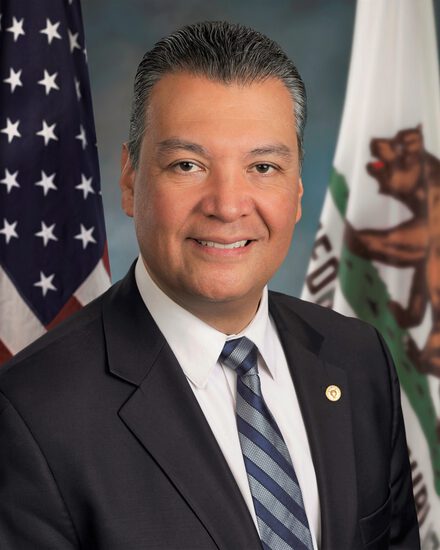
Last action · September 17, 2026: Placed on Senate Legislative Calendar under General Orders. Calendar No. 650.Sponsors: Ruben Gallego and 2 others
Track this bill to get notified when it advances a stage. One tap to stop, anytime.
What This Bill Would Do
The Water Security and Drought Resilience Act authorizes the Secretary of the Interior to provide financial assistance for water storage and natural water retention projects across multiple s. The measure reauthorizes the small storage program through 2033 with $20,000,000 annually and appropriates $15,000,000 annually for fiscal years 2027 through 2031 for natural retention and release project grants.
Local water districts and eligible entities across western s gain access to new federal grants for infrastructure and watershed projects with a federal cost-share up to 90 percent.
Who It Would Affect
Groups the bill's text would affect if enacted, as described in the record. Being affected is not a position for or against it.
Eligible entities
States, Indian Tribes, municipalities, and water districts become eligible to apply for federal financial assistance and grants for water storage and natural retention projects.
Secretary of the Interior
The Secretary is granted expanded authority and appropriations to distribute financial assistance and award grants across multiple Reclamation States.
Key Facts
You don't have to trust us. Each fact below is taken straight from the official document - click any one to see the exact passage, highlighted in the original.
Frequently Asked Questions
Who is eligible to receive grants for natural water retention and release projects?
What is the maximum federal cost-share for natural water retention and release projects?
Do these provisions affect existing state water rights or laws?
What else do you want to know?
News Coverage
Follow the record
Votes, people, money & the original sourceWhere This Stands
Currently on floor. The next step in the legislative lifecycle is Passed.
Procedural history
6 actions- Sep 17, 2026SenatePlaced on Senate Legislative Calendar under General Orders. Calendar No. 650.
- Sep 17, 2026SenateCommittee on Energy and Natural Resources. Reported by Senator Lee with an amendment in the nature of a substitute. Without written report.
- Jul 29, 2026SenateCommittee on Energy and Natural Resources. Ordered to be reported with an amendment in the nature of a substitute favorably.
- Mar 17, 2026SenateCommittee on Energy and Natural Resources Subcommittee on Water and Power. Hearings held.
- Jan 29, 2026SenateCommitteeRead twice and referred to the Committee on Energy and Natural Resources.
- Jan 29, 2026SenateIntroducedIntroduced in Senate
Version history
Only one version on file - nothing to compare yet. As later stages (committee substitute, engrossed, enrolled) are captured, the redline appears here.
View official text →Full breakdown
Who this bill affects and the strongest case for and against it, written only from the bill’s own text.
Sponsors


Discoveries
Patterns POLISCOPE noticed across the record. These are observations to investigate, not conclusions.
Expansion of Small Storage Program Capacity and Timeline
The bill extends the small storage program authority from 5 to 10 years while broadening storage capacity limits to include both surface and groundwater aquifer storage options.
Connected Entities
Sources
www.congress.gov
Analysis Score
0–100- Significance75How much this matters to a regular citizen
- Controversy20Intensity of disagreement among stakeholders
- Entertainment5Compellingness for a non-policy-wonk reader
- Buzz35Current news / social attention level
Publisher tools