
The civic record
Read. Follow. Verify.Michigan SB 737 amends parole eligibility and board jurisdiction rules
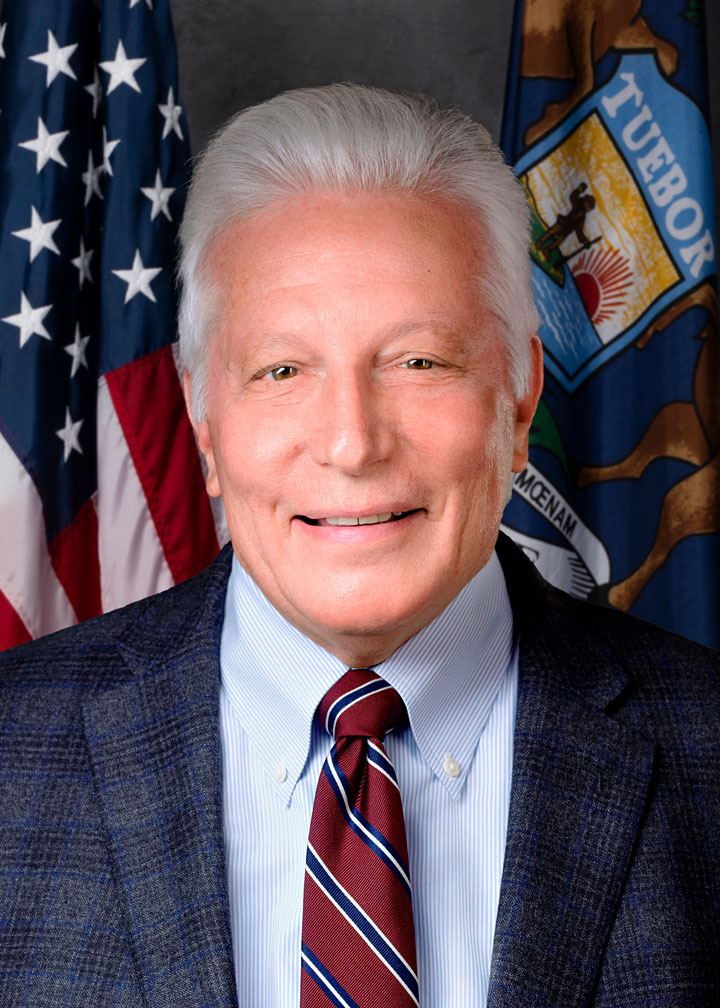
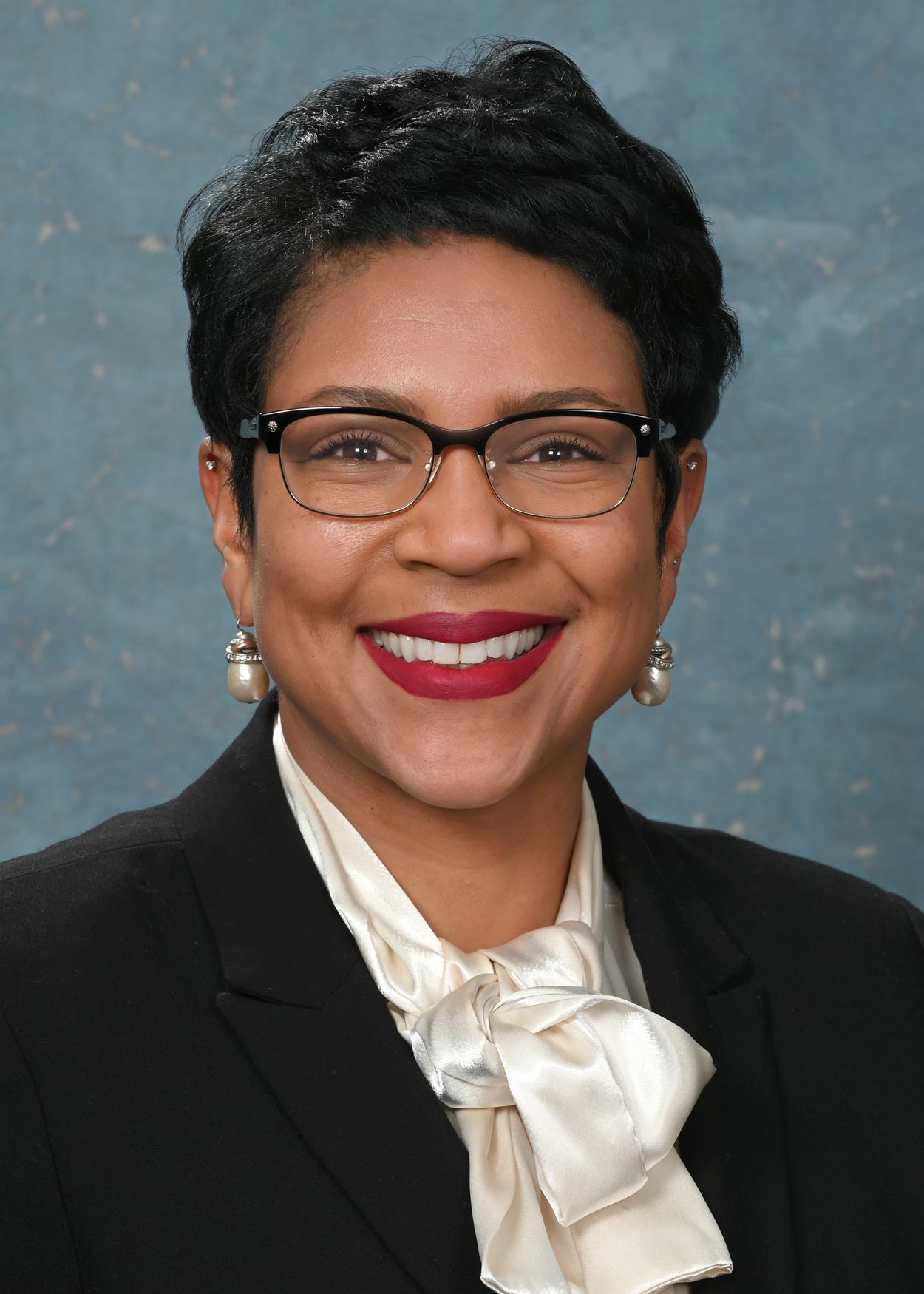
Last action · March 25, 2026: REFERRED TO COMMITTEE OF THE WHOLESponsors: Paul Wojno and 2 others
Track this bill to get notified when it advances a stage. One tap to stop, anytime.
What This Bill Would Do
Michigan Senate Bill 737 updates statutory provisions under the Corrections Code of 1953 regarding parole board jurisdiction, life sentences, and prisoner interview schedules.
Modifies the statutory timeline and procedural requirements governing when certain state prisoners become eligible for parole board review and public hearings.
Who It Would Affect
Groups the bill's text would affect if enacted, as described in the record. Being affected is not a position for or against it.
prisoners in state correctional facilities
Their parole eligibility timelines, interview schedules, and review procedures are governed by the amendments.
parole board members
They are required to follow updated interview schedules, file reviews, and notice procedures when considering parole.
prosecuting attorneys
They receive notifications regarding parole considerations and retain rights to appeal or object under specific circumstances.
Key Facts
- Establishes that prisoners serving indeterminate sentences with a minimum in terms of years become subject to the jurisdiction of the parole board after serving a period equal to the minimum sentence minus good time and disciplinary credits.
- Outlines parole eligibility criteria and interview schedules for prisoners sentenced to life imprisonment under specified conditions.
- Requires the parole board to conduct interviews and file reviews at specific intervals, including notification requirements and provisions for written statements.
- Sets conditions where a sentencing judge or successor may file written objections to the granting of parole for certain life sentences.
Show all 5 facts
- Defines key terms such as 'medically frail' and 'serious crime' for the purposes of parole administration under the corrections code.
Frequently Asked Questions
When does a prisoner with an indeterminate sentence become subject to parole board jurisdiction?
What role does the sentencing judge play in parole considerations under this bill?
What else do you want to know?
News Coverage
Follow the record
Votes, people, money & the original sourceWhere This Stands
Currently in committee. The next step in the legislative lifecycle is Floor Vote.
Procedural history
4 actions- Mar 25, 2026SenateCommitteeREFERRED TO COMMITTEE OF THE WHOLE
- Mar 25, 2026SenateCommitteeREPORTED FAVORABLY WITHOUT AMENDMENT 3/25/2026
- Dec 10, 2025SenateCommitteeREFERRED TO COMMITTEE ON CIVIL RIGHTS, JUDICIARY, AND PUBLIC SAFETY
- Dec 10, 2025SenateIntroducedINTRODUCED BY SENATOR PAUL WOJNO
Version history
Only one version on file - nothing to compare yet. As later stages (committee substitute, engrossed, enrolled) are captured, the redline appears here.
View official text →Lobbying Activity
No state lobbying filings in our records match this bill. Federal lobbying reports (LDA) cover Congress, so they are not listed on state bills.
Full breakdown
Who this bill affects and the strongest case for and against it, written only from the bill’s own text.
Sponsors

Connected Entities
Sources
legislature.mi.gov
Analysis Score
0–100- Significance65How much this matters to a regular citizen
- Controversy40Intensity of disagreement among stakeholders
- Entertainment5Compellingness for a non-policy-wonk reader
- Buzz20Current news / social attention level
Publisher tools