
The civic record
Read. Follow. Verify.Senate bill reforms low-income housing tax credit and expands state allocations
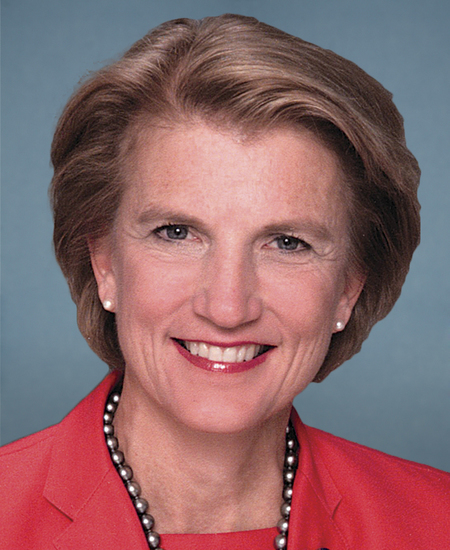
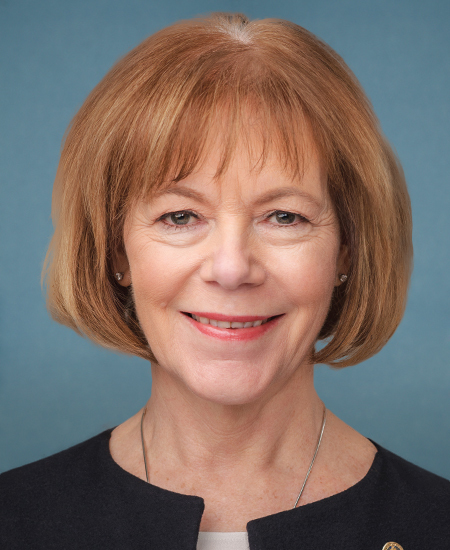
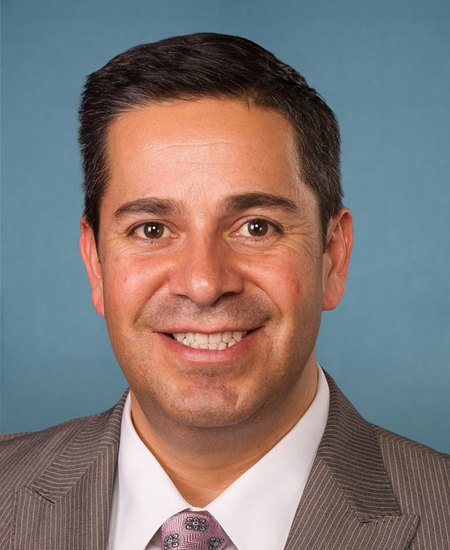
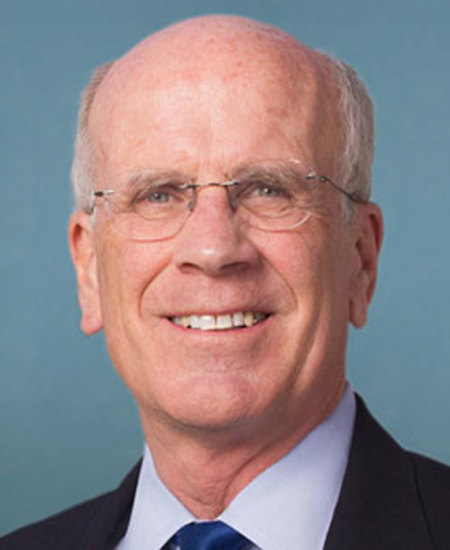
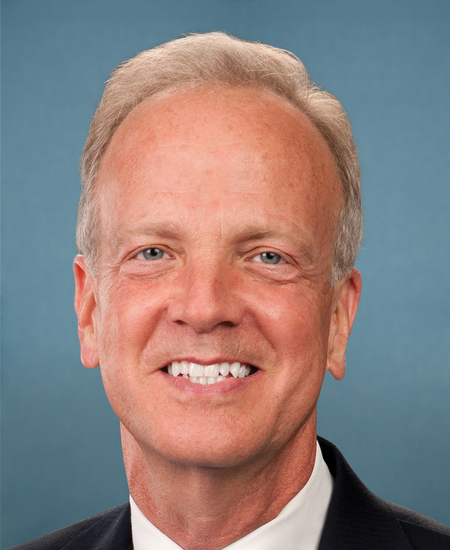
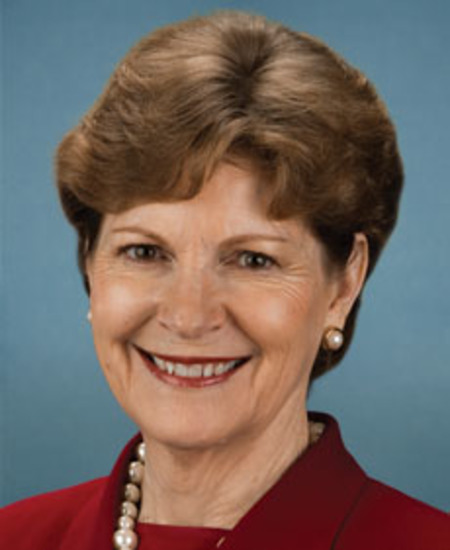
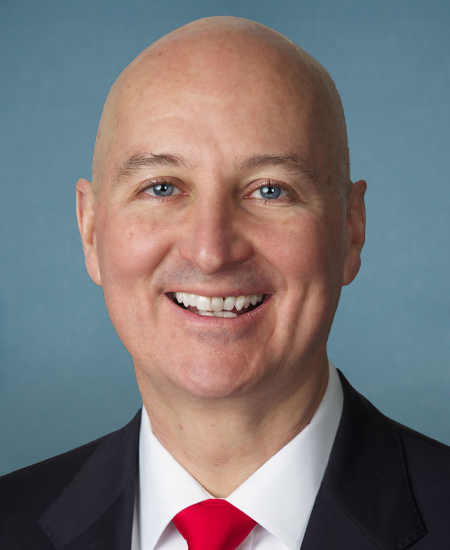
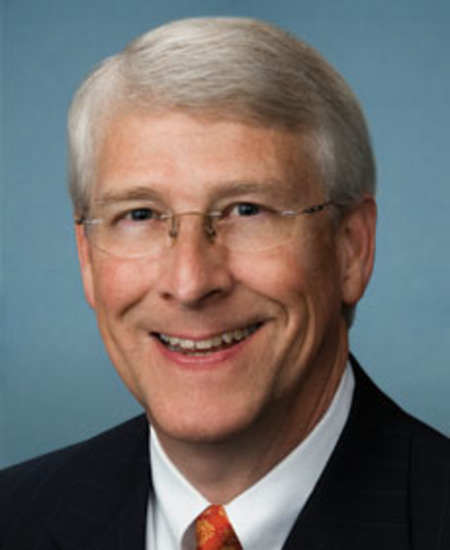
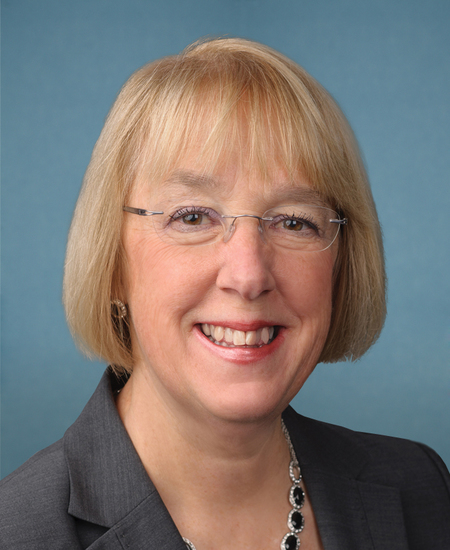
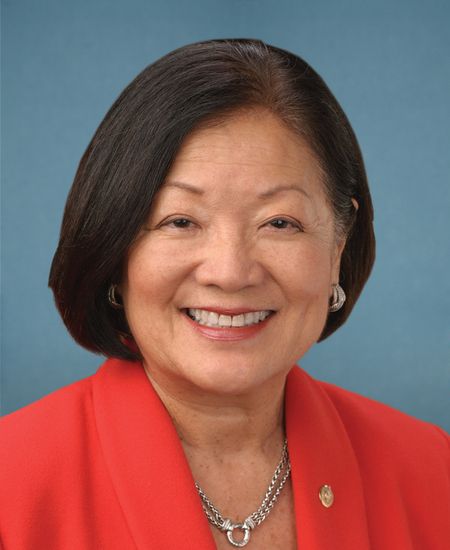
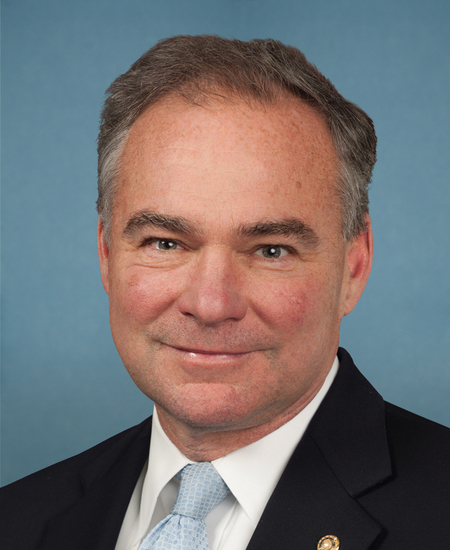
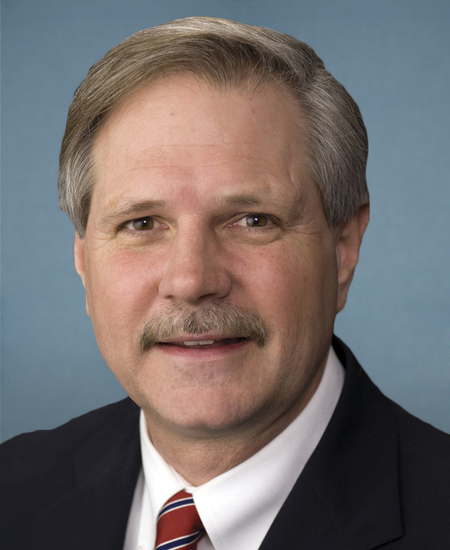
Last action · April 29, 2025: Read twice and referred to the Committee on Finance.Sponsors: Todd Young and 41 others
Track this bill to get notified when it advances a stage. One tap to stop, anytime.
What This Bill Would Do
The Affordable Housing Credit Improvement Act of 2025 would reform the low-income housing tax credit by increasing state allocations, modifying tenant eligibility and student occupancy rules, and adding protections for victims of domestic violence starting in taxable years beginning after December 31, 2024.
The measure adjusts federal tax rules and financing caps for affordable housing developers, which alters the financial feasibility and construction timelines of low-income residential projects nationwide.
Who It Would Affect
Groups the bill's text would affect if enacted, as described in the record. Being affected is not a position for or against it.
Low-income housing developers
Developers face revised tax credit allocation formulas, new credit percentage increases for serving extremely low-income households, and modified rehabilitation expenditure rules.
State housing credit agencies
Agencies must establish criteria for community revitalization plans, oversee development cost reasonableness, and administer updated state allocation formulas.
Tenants in federally subsidized housing
Tenants receive expanded protections against lease termination related to domestic violence and revised income test and student occupancy rules.
Native American tribes and tribal housing entities
Tribal areas are included as difficult development areas and tribal affordable housing needs are incorporated into state qualified allocation plans.
Key Facts
You don't have to trust us. Each fact below is taken straight from the official document - click any one to see the exact passage, highlighted in the original.
Frequently Asked Questions
What changes does the bill make to state housing credit allocations?
How does the bill protect victims of domestic violence in tax credit housing?
Are local government approvals considered under qualified allocation plans?
What else do you want to know?
News Coverage
Follow the record
Votes, people, money & the original sourceWhere This Stands
Currently in committee. The next step in the legislative lifecycle is Floor Vote.
Procedural history
2 actions- Apr 29, 2025SenateCommitteeRead twice and referred to the Committee on Finance.
- Apr 29, 2025SenateIntroducedIntroduced in Senate
Version history
Only one version on file - nothing to compare yet. The text on record is the Introduced in Senate version (Apr 29, 2025). As later stages (committee substitute, engrossed, enrolled) are captured, the redline appears here.
View official text →Lobbying Activity
AARP
2026
“P.L. 119-21, One Big Beautiful Bill Act H.R. 8867, Planning for Long-term Aging Needs (PLAN) Act H.R. 5861, Legacy Act of 2025 H.R. 9393, the Lower Costs, More Transparency Act. H.R. 9396, the Prior Authorization Accountability Act. S. 4916, the Aging with Artificial Intelligence Act. H.R. 8100, Safe Staffing Saves Lives Act. S. 3886, Nurses Belong in Nursing Homes Act. H.R. 6766/S. 3492, the Essential Caregivers Act of 2025. H.R. 7966/S. 4118, Hospice Care Accountability, Reform, and Enforcement (Hospice CARE) Act. S. 2120, the Older Americans Act Reauthorization Act of 2025 H.R. 5575, the Firefighters Assisting Seniors to Emergency Response (FASTER) Act of 2025. H.R. 3954/S. 4641, Improving Access to Medicare Coverage Act. H.R.5554/S.2831, Stand Strong for Medicare Act. S. 3439/H.R. 6735, Connecting Caregivers to Medicare Act and efforts related to the bill S. 1227/H.R. 2491, Alleviating Barriers for Caregivers Act S. 668/H.R. 3183, Supporting Access to Falls Education and Prevention and Strengthening Training Efforts and Promoting Safety Initiatives (SAFE STEPS) for Veterans Act of 2025 CMS-1851-P, Hospice Proposed rule. CMS-1843-P, Skilled Nursing Facility Proposed rule. CMS-1844-P, Home Health Proposed rule. No bill number. Health care transparency. No bill number. Discussed use of artificial intelligence and health data technology. No bill number. Discussed health-related policies and activities around the fall respiratory virus season. No bill number. Discussed health insurance affordability proposals. No bill number. Discussed Nursing Home staffing standards, safety, and quality. No bill number. Discussed Nursing home transparency and ownership requirements. No bill number. Discussed home health, hospice, and long-term care. No bill number. Discussed falls prevention. No bill number. Discussed social isolation. No bill number. Discussed HUD Assisted Living Requirements No bill number. Discussed family caregiving. No bill number. Discussed AARP paper on Medicare Caregiver Training Services. No bill number. Discussed Medicaid community engagement interim final rule, including the family caregiver exemption. No bill number. Discussed the paid direct care workforce in long-term care. No bill number. Discussed the unaffordability of long-term care. No bill number. Discussed Money Follows the Person Rebalancing Demonstration Program and Medicaid HCBS spousal impoverishment protections. No bill number. Discussed Medicaid fraud and family caregivers, Medicaid self-direction programs. No bill number. Discussed sandwich generation family caregiver hearing and submitted a statement for the record discussing family caregivers and sandwich generation caregivers, programs that support them, AARP caregiving resources, and federal policies to support sandwich generation caregivers and caregivers more broadly. No bill number. Discussed long-term care. No bill number. CMS-2453-NC; Medicaid Program; 2028 Medicaid Home and Community-Based Services Quality Measure Set Submitted comments No bill number. Discussed expanding access to home care. No bill number. Discussed the increasing cost of home care No bill number. Discussed HSA use for telehealth chronic care management services/subscriptions. No bill number. Discussed artificial intelligence and technology”
Full breakdown
Who this bill affects and the strongest case for and against it, written only from the bill’s own text.
Sponsors


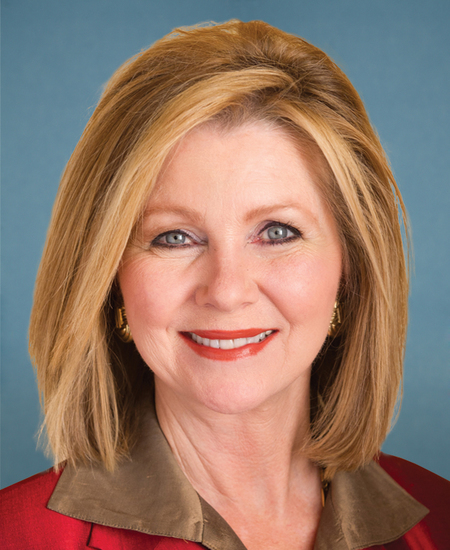
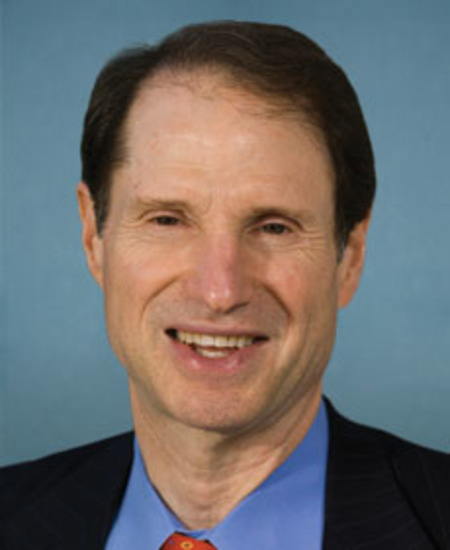

Show 37 more sponsors





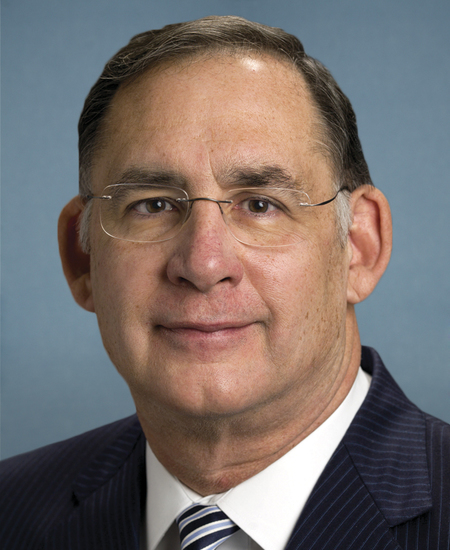
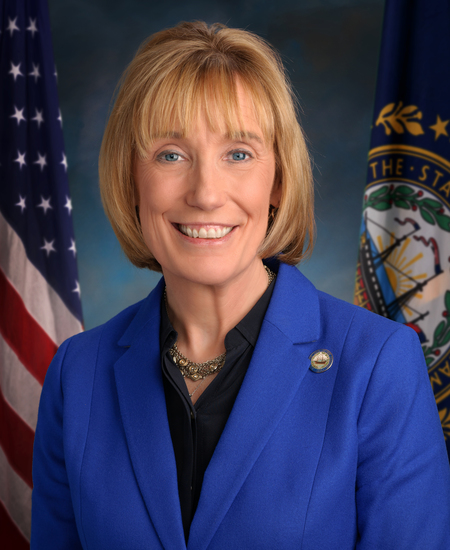


















Discoveries
Patterns POLISCOPE noticed across the record. These are observations to investigate, not conclusions.
Prohibition of Local Approval Mandates
The bill explicitly removes local government approval and contribution requirements from state qualified allocation plans to streamline affordable housing development.
Connected Entities
Sources
www.congress.gov
Analysis Score
0–100- Significance85How much this matters to a regular citizen
- Controversy40Intensity of disagreement among stakeholders
- Entertainment10Compellingness for a non-policy-wonk reader
- Buzz55Current news / social attention level
Publisher tools