
The civic record
Read. Follow. Verify.Resolution to Designate May 10, 2026, as AANHPI Mental Health Day
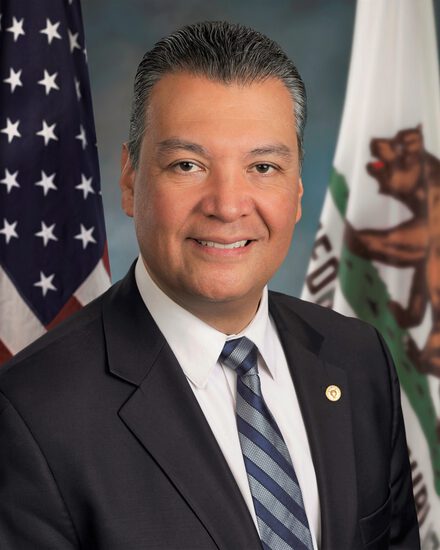
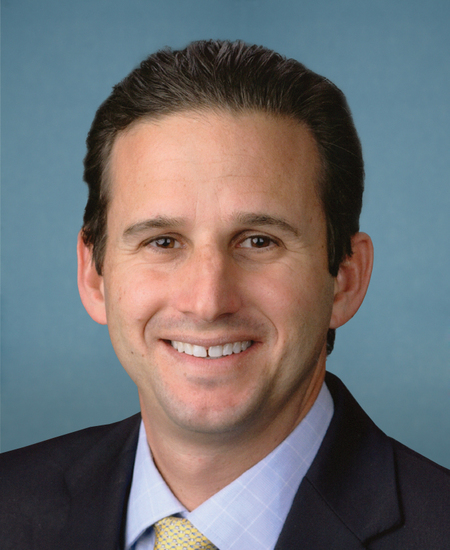
Last action · April 30, 2026: Referred to the Committee on Health, Education, Labor, and Pensions. (text: CR S2177)Sponsors: Mazie Hirono and 7 others
Track this bill to get notified when it advances a stage. One tap to stop, anytime.
What This Bill Would Do
This Senate resolution formally supports designating May 10, 2026, as 'National Asian American, Native Hawaiian, and Pacific Islander Mental Health Day.' It highlights disparities in mental health service utilization and suicide rates within these communities while encouraging government agencies to improve access to care.
This resolution establishes a national awareness day and encourages federal, state, and local health agencies to adopt policies aimed at increasing mental health service usage among AANHPI populations.
Who It Would Affect
Groups the bill's text would affect if enacted, as described in the record. Being affected is not a position for or against it.
AANHPI community
The resolution focuses on their mental health outcomes, data collection, and access to culturally appropriate services.
Federal, State, and local health agencies
These agencies are encouraged to adopt new laws, policies, and guidance to improve mental health service utilization.
Key Facts
- The Senate supports designating May 10, 2026, as 'National Asian American, Native Hawaiian, and Pacific Islander Mental Health Day'.
- The resolution encourages federal, state, and local health agencies to adopt laws and policies to improve mental health service help-seeking rates for AANHPI communities.
- 56 percent of AANHPI adults report that healthcare costs are the most difficult item to afford.
- 65.3 percent of the estimated 2.6 million AANHPI individuals meeting criteria for a mental health problem do not receive treatment.
Show all 8 facts
- Between 2018 and 2024, suicide was the leading cause of death for AANHPI youth aged 15 to 24.
- The resolution calls for the disaggregation of AANHPI population data to better understand mental health needs across specific subpopulations.
- The resolution identifies a need to increase the number of mental health providers and paraprofessionals who represent AANHPI communities.
- The resolution acknowledges that historical discrimination and racial violence contribute to trauma and stress within AANHPI communities.
Frequently Asked Questions
Does this resolution change federal law?
Why is this date being chosen?
What else do you want to know?
News Coverage
Follow the record
Votes, people, money & the original sourceWhere This Stands
Currently in committee. The next step in the legislative lifecycle is Floor Vote.
Procedural history
2 actions- Apr 30, 2026SenateCommitteeReferred to the Committee on Health, Education, Labor, and Pensions. (text: CR S2177)
- Apr 30, 2026SenateSubmitted in Senate
Version history
Only one version on file - nothing to compare yet. As later stages (committee substitute, engrossed, enrolled) are captured, the redline appears here.
View official text →Full breakdown
Who this bill affects and the strongest case for and against it, written only from the bill’s own text.
Sponsors






Discoveries
Patterns POLISCOPE noticed across the record. These are observations to investigate, not conclusions.
Focus on Data Disaggregation
The resolution explicitly calls for the disaggregation of AANHPI data, signaling a shift toward more granular public health reporting for diverse ethnic subgroups.
Connected Entities
Sources
www.congress.gov
Analysis Score
0–100- Significance35How much this matters to a regular citizen
- Controversy10Intensity of disagreement among stakeholders
- Entertainment5Compellingness for a non-policy-wonk reader
- Buzz20Current news / social attention level
Publisher tools