
The civic record
Read. Follow. Verify.West Virginia Bill HB 4695 Doubles Criminal Penalties for Crimes Against Minors
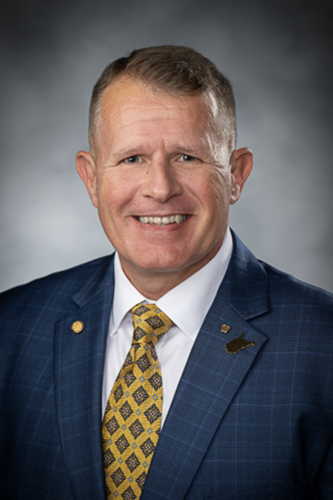
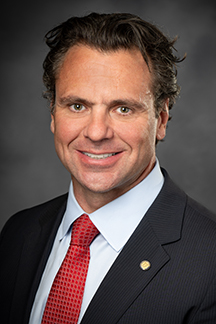
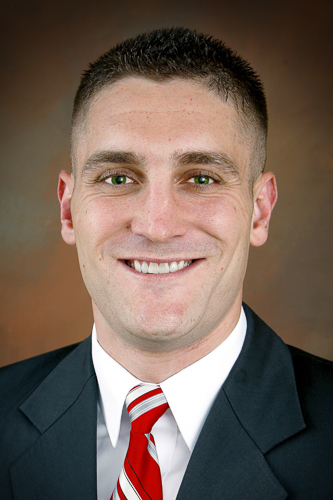
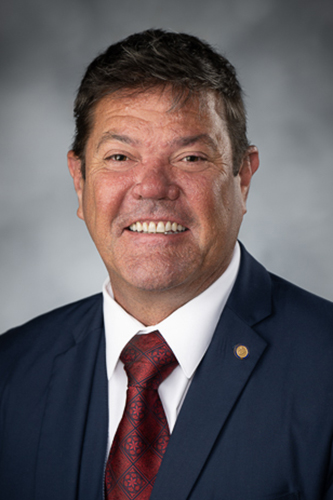
Last action · February 12, 2026: To JudiciarySponsors: Adam Vance and 10 others
Track this bill to get notified when it advances a stage. One tap to stop, anytime.
What This Bill Proposed
West Virginia House Bill 4695 doubles prison terms and maximum fines for multiple offenses involving crimes against minors, including third-degree sexual assault, third-degree sexual abuse, child neglect resulting in death, and sexual exploitation or abuse by persons in positions of trust. Under the measure, third-degree sexual assault prison sentences are increased to a range of two to 10 years, and third-degree sexual abuse is reclassified from a misdemeanor to a felony carrying a prison term of one to three years.
Convicted offenders face significantly longer prison sentences and doubled financial penalties across several felony and misdemeanor categories involving child victims.
- West Virginia House Bill 4695 originates from the 2026 regular session of the West Virginia Legislature. context
Who It Would Have Affected
Groups the bill's text would have affected, as described in the record. Being affected is not a position for or against it.
Convicted offenders of crimes against minors
Individuals convicted under the specified sections face increased mandatory minimum and maximum prison sentences as well as higher fines.
Minors in West Virginia
The legal penalties and statutory protections governing crimes and neglect against minors are altered by the measure.
Division of Corrections
The agency is responsible for housing individuals serving increased prison terms resulting from the longer sentences enacted by the bill.
Key Facts
- Increases the prison sentence for third-degree sexual assault from one to five years to two to 10 years, and raises the maximum fine from $10,000 to $20,000.
- Reclassifies third-degree sexual abuse from a misdemeanor to a felony, increasing confinement from up to 90 days to a state correctional facility term of one to three years, and raises the maximum fine from $500 to $1,000.
- Increases the prison sentence for child neglect resulting in death from three to 15 years to 10 to 40 years, and doubles the fine range to between $2,000 and $10,000.
- Increases penalties for sexual abuse or exploitation of a child by a parent, guardian, or person in a position of trust to a prison term of 20 to 40 years and a fine of up to $10,000.
Show all 6 facts
- Increases penalties for a parent, guardian, or person in a position of trust who procures or induces sexual abuse of a child under 16 to a prison term of 10 to 30 years and a fine up to $20,000.
- Increases penalties for a parent, guardian, or person in a position of trust who distributes, possesses, or transports sexually explicit material depicting a child under their care to a prison term of up to four years and a fine of $800 to $8,000.
Frequently Asked Questions
How does HB 4695 change the penalty for third-degree sexual abuse?
What are the new penalties for child neglect resulting in death under the bill?
Does the bill provide any exemptions for religious healing in child neglect cases?
What else do you want to know?
News Coverage
Follow the record
Votes, people, money & the original sourceWhere This Stands
This bill did not become law - Died at adjournment · passed the House · in Senate committee.
Procedural history
18 actions- Feb 12, 2026SenateCommitteeTo Judiciary
- Feb 12, 2026SenateCommitteeTo Judiciary
- Feb 12, 2026SenateIntroducedIntroduced in Senate
- Feb 11, 2026HouseCommunicated to Senate
- Feb 11, 2026HouseTitle amendment adopted (Voice vote)
- Feb 11, 2026HouseFloorPassed House (Roll No. 77)
Show 12 earlier actions
- Feb 11, 2026HouseRead 3rd time
- Feb 11, 2026HouseOn 3rd reading, Special Calendar
- Feb 10, 2026HouseRead 2nd time
- Feb 10, 2026HouseOn 2nd reading, Special Calendar
- Feb 9, 2026HouseRead 1st time
- Feb 9, 2026HouseOn 1st reading, Special Calendar
- Feb 6, 2026HouseBy substitute, do pass
- Feb 4, 2026HouseMarkup Discussion
- Jan 21, 2026HouseCommitteeTo House Judiciary
- Jan 21, 2026HouseIntroducedIntroduced in House
- Jan 21, 2026HouseCommitteeTo Judiciary
- Jan 21, 2026HouseIntroducedFiled for introduction
Version history
Only one version on file - nothing to compare yet. As later stages (committee substitute, engrossed, enrolled) are captured, the redline appears here.
View official text →Lobbying Activity
No state lobbying filings in our records match this bill. Federal lobbying reports (LDA) cover Congress, so they are not listed on state bills.
Full breakdown
Who this bill affects and the strongest case for and against it, written only from the bill’s own text.
Sponsors






Connected Entities
Sources
www.wvlegislature.gov
Analysis Score
0–100- Significance20Lowered because this bill did not pass (its text scored 85)
- Controversy40Intensity of disagreement among stakeholders
- Entertainment10Compellingness for a non-policy-wonk reader
- Buzz50Current news / social attention level
Publisher tools