
NewsWPLG Local 10 – Main FeedAugust 18, 2026Miami-Dade County
Researchers identify key factors for choosing clothing in extreme heat
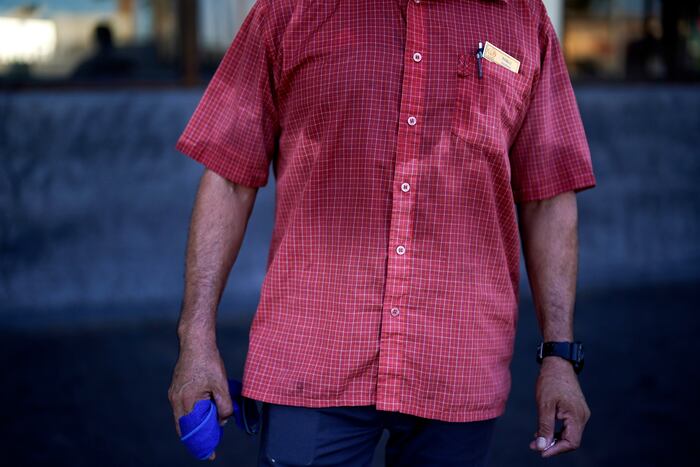
Photo: WPLG Local 10 – Main Feed
Textile researchers advise that selecting clothing for extreme heat requires looking beyond fiber labels to consider weave, fit, and intended activity. Experts emphasize that the most effective garments are those that do not hinder the body's natural sweat evaporation process.
Read the full story at WPLG Local 10 – Main FeedWhy It Matters
Understanding how different fabrics and fits interact with the body's cooling system can help individuals manage heat exposure and reduce the risk of heat-related discomfort.
Key Facts
- The primary goal of clothing in extreme heat is to avoid hampering sweat evaporation.
- Open weave and loose knit structures generally provide the best airflow.
- Cellulosic fibers like cotton and linen are typically more breathable than synthetic fibers.
- Fit should be chosen based on activity: loose for casual settings to allow airflow, tighter for exercise to aid sweat evaporation.
- Cotton absorbs sweat but can become heavy and block breathability when fully saturated.
- Engineered polyester can move moisture away from the skin and dry faster than cotton, making it common in athletic wear.
- Light-colored or reflective fabrics can reduce heat gain by reflecting sunlight.
- Fan-equipped clothing can lower skin temperature but has limited impact on core body temperature.
- Labels claiming 'cooling' effects may only provide a temporary sensation of cold rather than continuous cooling.
- Direct sunlight exposure requires prioritizing skin coverage, such as lightweight long-sleeved shirts.
Who's Mentioned
PersonPo-Chun Hsu“Assistant professor at the University of Chicago studying materials and sustaina”PersonJonathan Chen“Professor at the University of Texas at Austin studying textiles and apparel.”OrganizationUniversity of Chicago“Academic institution.”OrganizationLoughborough University“Academic institution.”PersonMeredith McQuerry“Professor at Florida State University studying clothing development.”OrganizationFlorida State University“Academic institution.”OrganizationUniversity of Texas at Austin“Academic institution.”PersonGeorge Havenith“Emeritus professor of environmental physiology and ergonomics at Loughborough Un”