
The civic record
Read. Follow. Verify.New Mexico Extends and Expands Technology Readiness Gross Receipts Tax Credit Through 2036
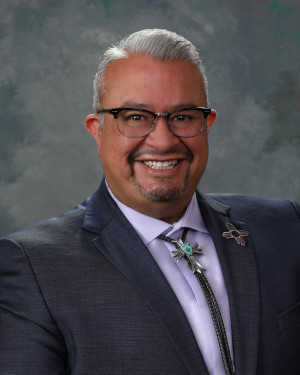
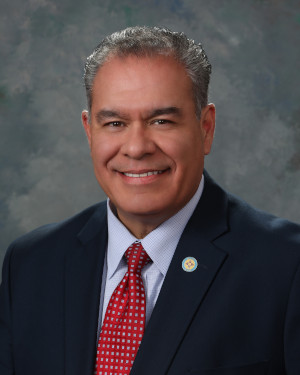
Last action · February 18, 2026: Passed in the Senate - Y:37 N:1Sponsors: Bobby Gonzales and 2 others
Track this bill to get notified when it advances a stage. One tap to stop, anytime.
What This Bill Proposed
New Mexico extends the technology readiness through July 1, 2036, and increases the annual aggregate credit caps for national laboratories up to $5,000,000 beginning in 2030, effective July 1, 2027.
National laboratories providing technology assistance to local businesses face higher annual caps on tax credits, scaling from $2 million to $5 million over time, altering the financial framework for regional technology transfer and commercialization.
Who It Would Have Affected
Groups the bill's text would have affected, as described in the record. Being affected is not a position for or against it.
national laboratories
National laboratories are subject to updated annual credit caps, reporting requirements, and coordination rules when providing technology readiness assistance.
New Mexico businesses
Registered businesses receiving technology assistance can collaborate with national laboratories to achieve technology maturation and commercialization.
Key Facts
You don't have to trust us. Each fact below is taken straight from the official document - click any one to see the exact passage, highlighted in the original.
Frequently Asked Questions
Who is eligible to claim the technology readiness gross receipts tax credit?
What is the maximum credit amount a single business can receive in a fiscal year?
What else do you want to know?
News Coverage
Follow the record
Votes, people, money & the original sourceWhere This Stands
This bill did not become law - Died at adjournment · passed the Senate.
Procedural history
5 actions- Feb 18, 2026SenateFloorPassed in the Senate - Y:37 N:1
- Feb 17, 2026SenateSFC: Reported by committee with Do Pass recommendation
- Feb 13, 2026SenateSTBTC: Reported by committee with Do Not Pass but with a Do Pass recommendation on Committee Substitution
- Jan 29, 2026SenateSCC: Reported by committee to fall within the purview of a 30 day session
- Jan 28, 2026SenateCommitteeSent to SCC - Referrals: SCC/STBTC/SFC
Version history
Only one version on file - nothing to compare yet. As later stages (committee substitute, engrossed, enrolled) are captured, the redline appears here.
View official text →Lobbying Activity
No state lobbying filings in our records match this bill. Federal lobbying reports (LDA) cover Congress, so they are not listed on state bills.
Full breakdown
Who this bill affects and the strongest case for and against it, written only from the bill’s own text.
Sponsors

Discoveries
Patterns POLISCOPE noticed across the record. These are observations to investigate, not conclusions.
Tiered Increase of Annual Laboratory Credit Caps
The bill replaces a flat $1,000,000 annual aggregate cap per national laboratory with a phased schedule scaling up to $5,000,000 by 2030.
Connected Entities
Sources
www.nmlegis.gov
Analysis Score
0–100- Significance20Lowered because this bill did not pass (its text scored 60)
- Controversy10Intensity of disagreement among stakeholders
- Entertainment5Compellingness for a non-policy-wonk reader
- Buzz20Current news / social attention level
Publisher tools