
The civic record
Read. Follow. Verify.Vermont requires correctional facilities to provide opioid use disorder treatment and medication
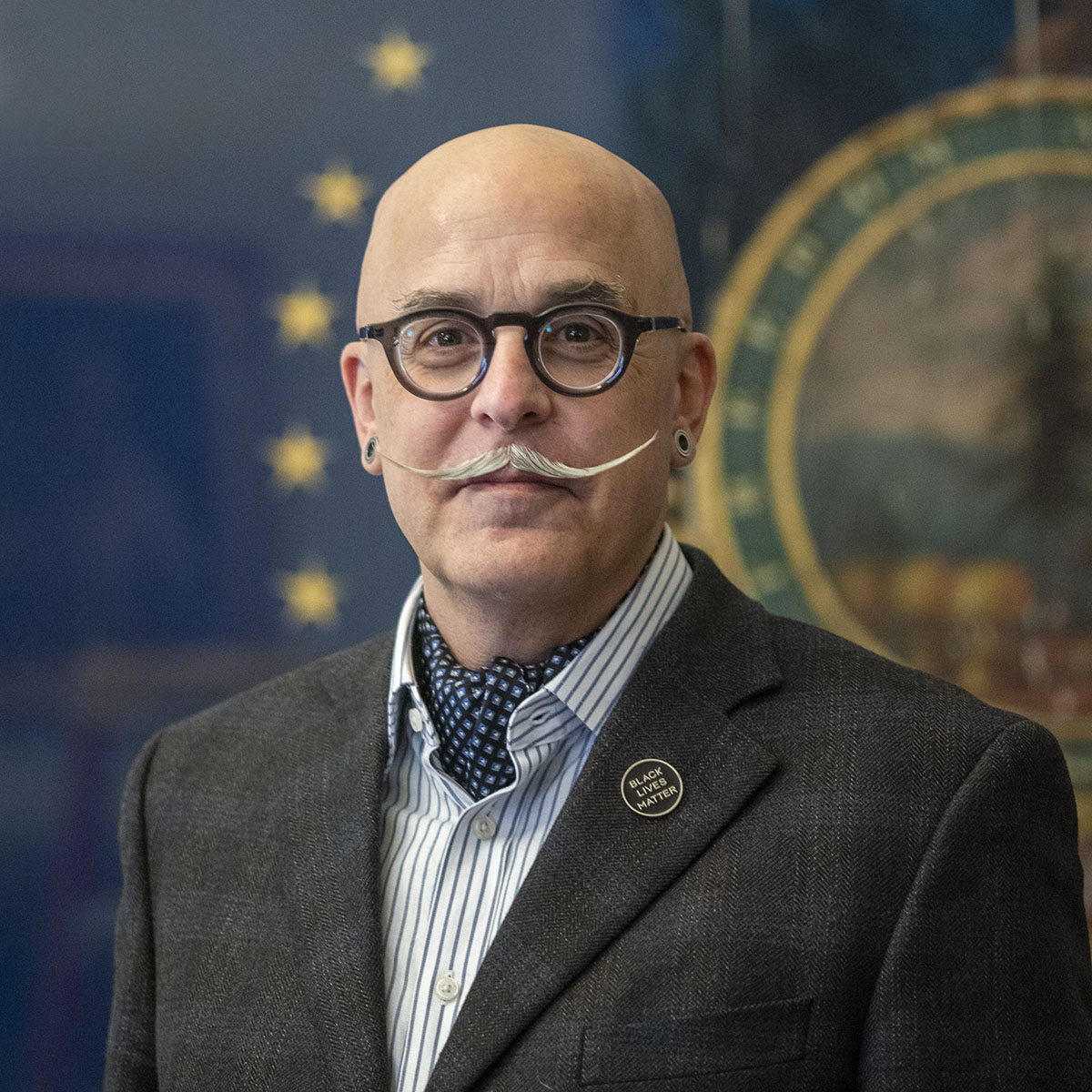
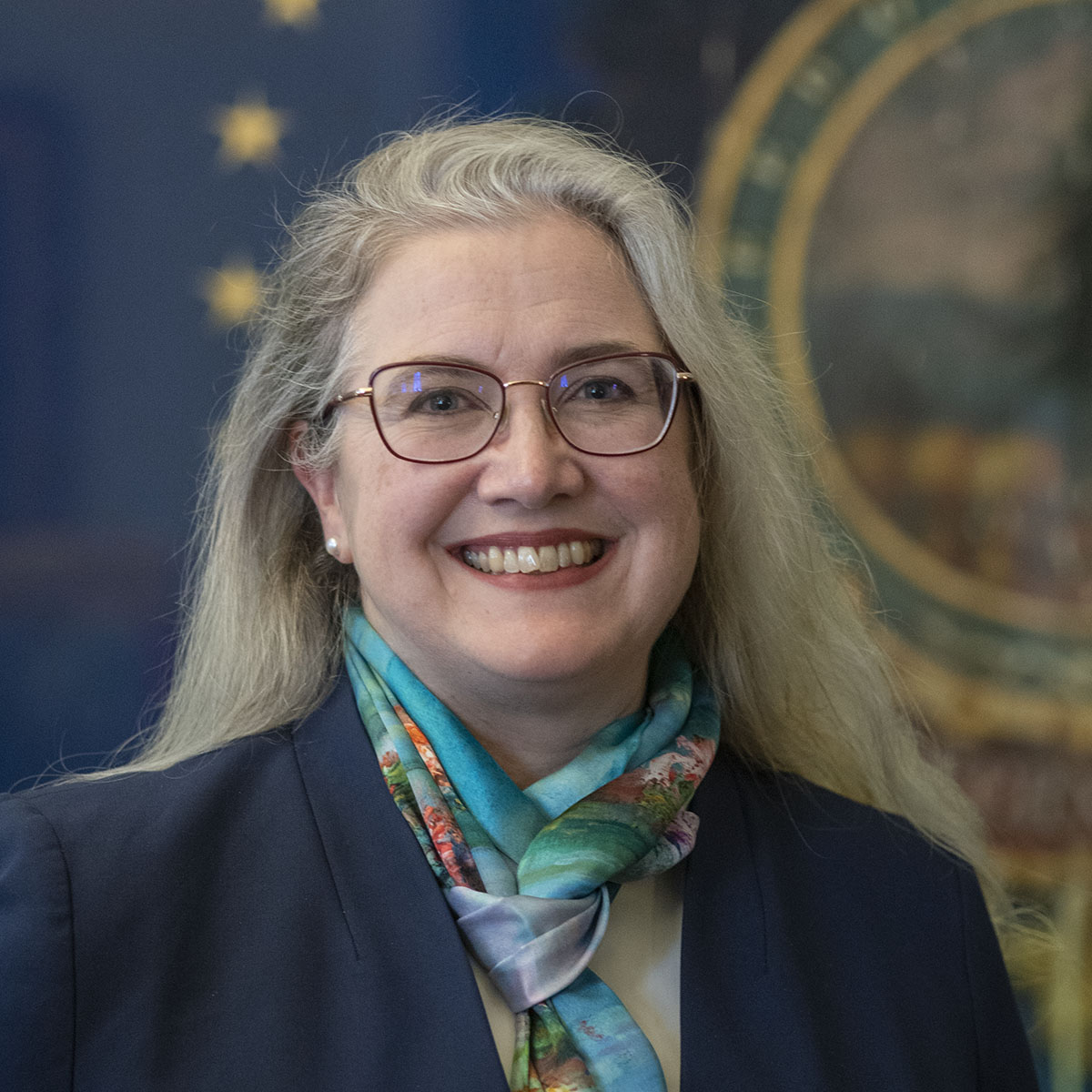
Last action · January 14, 2025: Read first time and referred to the Committee on Corrections and InstitutionsSponsors: Troy Headrick and 34 others
Track this bill to get notified when it advances a stage. One tap to stop, anytime.
What This Bill Would Do
The Vermont Department of Corrections is required to execute memorandums of understanding with s and office-based providers to supply to incarcerated individuals, effective July 1, 2025.
Inmates with opioid use disorder gain guaranteed access to continuation or initiation of medication-assisted treatment during incarceration and coordinated reentry planning upon release.
Who It Would Affect
Groups the bill's text would affect if enacted, as described in the record. Being affected is not a position for or against it.
inmates
Inmates undergo mandatory substance use screening within 24 hours of admission, are entitled to continue or initiate validly prescribed medications for opioid use disorder, and receive discharge supplies and reentry coordination.
Department of Corrections
The Department must execute memorandums of understanding with treatment providers, ensure continuity of care, develop individualized reentry plans, apply for grants, and submit annual legislative reports.
opioid treatment programs
Programs near correctional facilities are required to enter into memorandums of understanding with the Department to provide services and medication to incarcerated individuals.
Key Facts
- The Department of Corrections must execute a memorandum of understanding with the opioid treatment program nearest each correctional facility for the provision of opioid use disorder services.
- Inmates admitted to a correctional facility must be screened for substance use disorders within 24 hours after admission.
- Inmates under medical care taking a prescription medication at the time of admission, including buprenorphine or methadone, are entitled to continue that medication pending evaluation.
- If an inmate screens positive for opioid use disorder while incarcerated, the inmate may elect to commence buprenorphine-specific medication if deemed medically necessary by an authorized provider.
Show all 8 facts
- The Department must develop an individualized reentry plan for each inmate receiving medication for opioid use disorder at release, including a minimum of a seven-day supply of medication and scheduled follow-up appointments.
- Annually on or before January 15, the Department must submit a report to legislative committees addressing recipient numbers, recidivism rates, cost analyses, and health outcomes.
- On or before January 15, 2026, the Department must submit a report containing a plan to obtain federal certification for opioid treatment programs at all correctional facilities.
- The Department shall seek and apply for federal and state grants to support the memorandums of understanding, provider training, technology, and infrastructure.
Frequently Asked Questions
Will inmates who were taking prescription addiction medication before entering jail be allowed to keep taking it?
What happens when an inmate receiving medication for opioid use disorder is released?
What reporting requirements are established by this bill?
What else do you want to know?
News Coverage
Follow the record
Votes, people, money & the original sourceWhere This Stands
Currently in committee. The next step in the legislative lifecycle is Floor Vote.
Procedural history
1 action- Jan 14, 2025HouseIntroducedRead first time and referred to the Committee on Corrections and Institutions
Version history
Only one version on file - nothing to compare yet. As later stages (committee substitute, engrossed, enrolled) are captured, the redline appears here.
View official text →Lobbying Activity
No state lobbying filings in our records match this bill. Federal lobbying reports (LDA) cover Congress, so they are not listed on state bills.
Full breakdown
Who this bill affects and the strongest case for and against it, written only from the bill’s own text.
Sponsors



Show 30 more sponsors




















Discoveries
Patterns POLISCOPE noticed across the record. These are observations to investigate, not conclusions.
Shift Toward In-House Certification
The legislation establishes an interim requirement for memorandums of understanding with external providers, followed by a mandated reporting plan to transition all facilities to federally certified in-house opioid treatment programs by January 2026.
Connected Entities
Sources
legislature.vermont.gov
Analysis Score
0–100- Significance75How much this matters to a regular citizen
- Controversy40Intensity of disagreement among stakeholders
- Entertainment10Compellingness for a non-policy-wonk reader
- Buzz30Current news / social attention level
Publisher tools