
The civic record
Read. Follow. Verify.Massachusetts bill expands employee right to sue for wage violations and mandatory triple damages
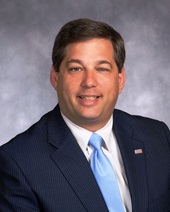
Last action · December 18, 2025: Accompanied a study order (under JR10), see S2886Sponsor: Bruce Tarr
Track this bill to get notified when it advances a stage. One tap to stop, anytime.
What This Bill Would Do
Employees claiming labor or wage violations are allowed to file a private civil action after waiting 90 days from filing a complaint with the attorney general, or sooner with written assent, within a 3-year window. Workers who successfully prove a willful violation must be awarded triple damages along with litigation costs and attorneys' fees. Non-willful violations allow for court-determined damages, litigation costs, and attorneys' fees.
Workers gain clearer statutory frameworks and mandatory financial compensation protections when pursuing unpaid wages or labor violations in court, while employers face statutory for proven willful infractions.
- The bill proposes uniform updates to existing Massachusetts labor and wage statutes found in Chapters 149 and 151 of the General Laws. context
Who It Would Affect
Groups the bill's text would affect if enacted, as described in the record. Being affected is not a position for or against it.
Employees
Workers gain the explicit right to file civil actions for wage violations after a 90-day waiting period and are guaranteed triple damages and legal fees if a willful violation is proven.
Employers
Employers face mandatory triple damages, litigation costs, and attorneys' fees if found liable for willful wage or labor violations under the updated statutes.
Key Facts
You don't have to trust us. Each fact below is taken straight from the official document - click any one to see the exact passage, highlighted in the original.
Frequently Asked Questions
When can an employee file a civil action regarding wage violations?
What damages are awarded if an employer's violation is found to be willful?
What else do you want to know?
News Coverage
Follow the record
Votes, people, money & the original sourceWhere This Stands
Currently in committee. The next step in the legislative lifecycle is Floor Vote.
Procedural history
5 actions- Dec 18, 2025SenateAccompanied a study order (under JR10), see S2886
- Oct 20, 2025JointHearing scheduled for 07/29/2025 from 01:00 PM-05:10 PM in A-2
- Jul 29, 2025JointHearing rescheduled to 07/29/2025 from 01:00 PM-05:10 PM in A-2 and Virtual<br> <span style="color: blue; font-style: italic;">Hearing updated to New End Time</span>
- Feb 27, 2025HouseHouse concurred
- Feb 27, 2025SenateCommitteeReferred to the committee on The Judiciary
Version history
Only one version on file - nothing to compare yet. As later stages (committee substitute, engrossed, enrolled) are captured, the redline appears here.
View official text →Lobbying Activity
No state lobbying filings in our records match this bill. Federal lobbying reports (LDA) cover Congress, so they are not listed on state bills.
Full breakdown
Who this bill affects and the strongest case for and against it, written only from the bill’s own text.
Sponsors
Discoveries
Patterns POLISCOPE noticed across the record. These are observations to investigate, not conclusions.
Uniform Standard for Employee Remedies Across Statutes
The bill amends multiple distinct sections of chapter 149 and chapter 151 to apply a consistent standard of 90-day waiting periods, 3-year statutes of limitations, and mandatory triple damages for willful violations.
Connected Entities
Sources
malegislature.gov
Analysis Score
0–100- Significance75How much this matters to a regular citizen
- Controversy50Intensity of disagreement among stakeholders
- Entertainment5Compellingness for a non-policy-wonk reader
- Buzz30Current news / social attention level
Publisher tools