
The civic record
Read. Follow. Verify.West Virginia Bill Establishes TEACH Scholarship Program for Child-Care Workers
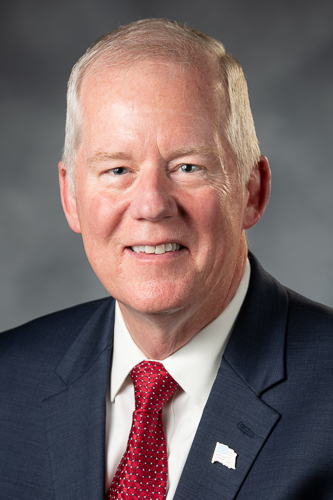
Last action · January 23, 2026: Markup DiscussionSponsor: Bob Fehrenbacher
Track this bill to get notified when it advances a stage. One tap to stop, anytime.
What This Bill Proposed
West Virginia House Bill 4119 establishes the TEACH Scholarship Program to cover tuition and mandatory fees for child-care workers seeking an associate or bachelor's degree in early childhood education. Eligible applicants must be state residents, work at least 20 hours per week at a qualifying child-care facility, pass a drug test at their own expense, and agree to reside in West Virginia for two years after completing their degree or face scholarship repayment.
Child-care workers pursuing higher education in early childhood programs can receive state-funded tuition assistance, provided they meet ongoing employment and residency requirements or risk repayment obligations.
Who It Would Have Affected
Groups the bill's text would have affected, as described in the record. Being affected is not a position for or against it.
Child-care workers
Child-care workers meeting employment and residency requirements become eligible for tuition-free higher education in early childhood programs, subject to work and post-graduation residency obligations.
Child-care facilities
Facilities employ scholarship applicants who must maintain at least 20 hours per week of employment during their course of study.
West Virginia Higher Education Policy Commission
The Commission is tasked with administering the scholarship program, awarding funds, issuing annual reports, and promulgating legislative or emergency rules.
Eligible state colleges and universities
Eligible institutions receive scholarship disbursements directly, administer required drug tests, and refund unused portions of scholarships if a recipient terminates enrollment.
Key Facts
You don't have to trust us. Each fact below is taken straight from the official document - click any one to see the exact passage, highlighted in the original.
Frequently Asked Questions
Who is eligible to receive a West Virginia TEACH scholarship?
What happens if a scholarship recipient moves out of West Virginia after graduating?
How are scholarship payments disbursed?
What else do you want to know?
News Coverage
Follow the record
Votes, people, money & the original sourceWhere This Stands
This bill did not become law - Died at adjournment · in House committee.
Procedural history
6 actions- Jan 23, 2026HouseMarkup Discussion
- Jan 19, 2026HouseCommitteeTo House Higher Education
- Jan 14, 2026HouseCommitteeTo House Education
- Jan 14, 2026HouseIntroducedIntroduced in House
- Jan 14, 2026HouseCommitteeTo Education then Finance
- Jan 14, 2026HouseIntroducedFiled for introduction
Version history
Only one version on file - nothing to compare yet. As later stages (committee substitute, engrossed, enrolled) are captured, the redline appears here.
View official text →Lobbying Activity
No state lobbying filings in our records match this bill. Federal lobbying reports (LDA) cover Congress, so they are not listed on state bills.
Full breakdown
Who this bill affects and the strongest case for and against it, written only from the bill’s own text.
Sponsors
Discoveries
Patterns POLISCOPE noticed across the record. These are observations to investigate, not conclusions.
Targeted Workforce Investment
The state is directly tying higher education tuition subsidies to workforce retention in the child-care sector and post-graduation in-state residency.
Connected Entities
Sources
www.wvlegislature.gov
Analysis Score
0–100- Significance20Lowered because this bill did not pass (its text scored 65)
- Controversy20Intensity of disagreement among stakeholders
- Entertainment5Compellingness for a non-policy-wonk reader
- Buzz35Current news / social attention level
Publisher tools