
The civic record
Read. Follow. Verify.New Jersey Bill A1044 Increases Fines and Penalties for Wage and Hour Law Violations
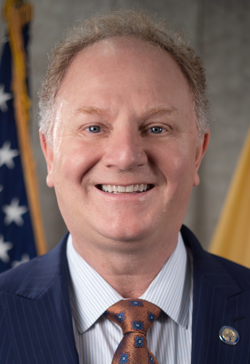
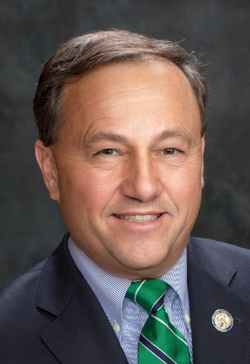
Last action · January 13, 2026: Introduced, Referred to Assembly Labor CommitteeSponsors: Wayne DeAngelo and 2 others
Track this bill to get notified when it advances a stage. One tap to stop, anytime.
What This Bill Would Do
New Jersey Assembly Bill 1044 increases minimum fines for first and second wage and hour law violations and establishes a fourth-degree crime classification with steeper fines and potential imprisonment for third or subsequent offenses.
Employers face higher financial penalties and criminal exposure for failing to pay required wages or maintain proper records, directly altering compliance costs and legal risks for businesses across the state.
- The New Jersey State Wage and Hour Law governs minimum wage, overtime, and recordkeeping requirements for employers across the state. context
Who It Would Affect
Groups the bill's text would affect if enacted, as described in the record. Being affected is not a position for or against it.
Employers
Employers face higher minimum fines for first and second offenses, and stiffer criminal penalties including fourth-degree crime charges for third or subsequent wage and hour law violations.
Employees
Employees stand to gain stronger deterrence against workplace wage underpayment as enforcement fines increase.
Key Facts
You don't have to trust us. Each fact below is taken straight from the official document - click any one to see the exact passage, highlighted in the original.
Frequently Asked Questions
What happens to employers who commit a first-time wage and hour violation?
How are third or subsequent wage and hour violations treated under this bill?
Where do collected fines and penalties go?
What else do you want to know?
News Coverage
Follow the record
Votes, people, money & the original sourceWhere This Stands
Currently in committee. The next step in the legislative lifecycle is Floor Vote.
Procedural history
1 action- Jan 13, 2026HouseIntroducedIntroduced, Referred to Assembly Labor Committee
Version history
Only one version on file - nothing to compare yet. As later stages (committee substitute, engrossed, enrolled) are captured, the redline appears here.
View official text →Lobbying Activity
No state lobbying filings in our records match this bill. Federal lobbying reports (LDA) cover Congress, so they are not listed on state bills.
Full breakdown
Who this bill affects and the strongest case for and against it, written only from the bill’s own text.
Sponsors

Discoveries
Patterns POLISCOPE noticed across the record. These are observations to investigate, not conclusions.
Escalation to Felony-Level Penalties
The bill marks a policy shift by introducing fourth-degree crime charges for third-time wage and hour violators, moving beyond traditional disorderly persons classifications.
Connected Entities
Sources
njleg.state.nj.us
njleg.state.nj.us
Analysis Score
0–100- Significance65How much this matters to a regular citizen
- Controversy40Intensity of disagreement among stakeholders
- Entertainment10Compellingness for a non-policy-wonk reader
- Buzz30Current news / social attention level
Publisher tools